

In an exclusive with Brew News, Elevision CEO Niall Sallam explains how AI-powered PropTech is transforming urban living and the DOOH industry in the UAE.
The Brew News: How is artificial intelligence currently transforming the property and facilities management sector in the UAE and wider MENA region?
Niall Sallam: Predictive modelling and automation have been part of smart buildings for years. Systems that track maintenance cycles, optimise HVAC and lighting, and monitor energy use are already well established. What AI is bringing now is a new layer of adaptability. It can analyse data from across multiple systems, identify patterns, and make decisions in real time. Instead of responding to fixed triggers, it learns from how a building is used and continuously adjusts for efficiency. In the UAE, where connected infrastructure is already the norm, this shift is happening quickly. AI is moving from theory into day-to-day operations, helping buildings run cleaner, safer, and more cost-effectively.
The Brew News: How is Elevision leveraging AI to personalise and optimise DOOH content within smart buildings and urban environments?
Niall Sallam: At Elevision, we’re using AI to make the content on our screens more responsive to what’s happening around them. Our systems analyse real-time data such as audience flow, dwell time, and time of day to automatically decide what runs where. The goal is to make every screen feel relevant to its specific environment and audience. Through our CommConnect platform, we’re connecting these data points so building communications and brand campaigns can adapt dynamically. We’re also developing tools that will allow brands to generate and adjust creative variations automatically, using AI to tailor campaigns to context and audience behaviour. It’s all aggregated and privacy-safe, but the outcome is content that feels more natural, timely, and meaningful within its surroundings.
The Brew News: Can you share how AI is enhancing audience measurement, engagement, and ROI for advertisers in the DOOH space?
Niall Sallam: AI has improved how we measure and understand audience behaviour. Using computer vision and sensor data, we can estimate dwell time and engagement without collecting any personal information. This allows advertisers to see performance in real time and make smarter decisions about creative or placement. Some of these capabilities are live across our network, and others are being refined as we build more advanced models. The end goal is the same: give advertisers clear, actionable insight into what works and why, while ensuring the experience remains respectful and unobtrusive for the viewer.
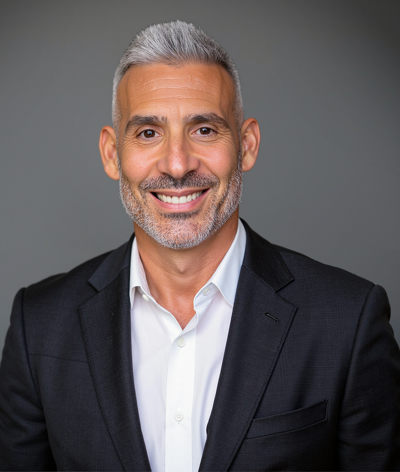
“AI is no longer just theoretical. It’s already making buildings cleaner, safer, and more cost-effective by learning from usage patterns and adjusting automatically. In the UAE’s tech-ready infrastructure, AI adoption is accelerating fast across the property and facilities management sector.“
–Niall Sallam, Founder & Chief Executive Officer at Elevision
The Brew News: How do you foresee AI-driven DOOH converging with IoT to make buildings and cities more interactive?
Niall Sallam: When AI and IoT come together, DOOH becomes part of the built environment rather than just something that sits within it. Connected sensors can inform screens about real conditions like occupancy, activity levels, or events nearby, creating a more responsive communication layer. In Dubai Design District, for example, we’ve already tested content that shifts according to time of day or event schedules. As these systems mature, we see screens acting as an interface between people and their surroundings; surfaces that inform, guide, and connect, rather than simply advertise.
The Brew News: In what ways do you see PropTech creating efficiencies for property owners, tenants, and facility managers alike?
Niall Sallam: PropTech creates shared value across the ecosystem. For owners, it improves asset performance and lowers operating costs. Tenants benefit from better communication and smoother day-to-day experiences. For facility managers, it takes out the guesswork by showing exactly where attention is needed. When these systems talk to each other, everyone operates from the same set of information. That shared visibility makes properties more efficient, transparent, and responsive to the people who use them.
The Brew News: How important is predictive analytics and AI-driven maintenance in reducing operational costs and improving sustainability?
Niall Sallam: Predictive analytics and AI-driven maintenance are key tools for improving how buildings operate. They help reduce downtime, lower energy use, and make maintenance more efficient. While Elevision isn’t directly involved in those operational systems, our network plays a complementary role in the broader ecosystem. Through our screens, we turn building intelligence into communication, sharing updates, surfacing insights, and encouraging behaviours that support the building’s goals. This is where our concept of smart nudges comes in. By using real-time data, we can display timely messages that encourage simple, positive actions from tenants and visitors, like reducing energy use or choosing sustainable transport. It’s a small but powerful way to connect technology, communication, and community in support of smarter, more sustainable spaces.
The Brew News: How can AI-powered PropTech contribute to sustainability goals in line with the UAE’s Net Zero 2050 vision?
Niall Sallam: AI is already helping buildings operate more efficiently by managing energy use, cooling, and lighting in real time. Our role complements that by improving how information flows within these environments. Through our digital communication network, property partners can reduce their reliance on paper notices and printed materials, which directly lowers waste and the building’s overall footprint. The same communication layer also supports behavioural change. Building on the smart nudges we mentioned earlier, our screens can highlight sustainable choices in the right moment, whether it’s promoting recycling, reducing consumption, or using greener modes of transport. It’s about turning awareness into everyday action through simple, well-timed messages.
The Brew News: Looking ahead, how do you see the convergence of PropTech, AI, and smart mobility shaping the urban experience by 2030?
Niall Sallam: By 2030, cities will operate as interconnected systems. Data from buildings, mobility networks, and digital infrastructure will flow together, shaping how people move and interact. DOOH will be one of the touchpoints that connects all of this, offering useful information, promoting local services, and hosting creative content that reflects what’s happening in real time. The aim is for these technologies to blend into the background so that what people experience feels seamless, efficient, and human. It’s less about showcasing technology and more about how it quietly improves everyday life in the city.