
India will bring eight cheetahs from Botswana in December as part of Project Cheetah, aiming to restore cheetahs to their historic habitat.
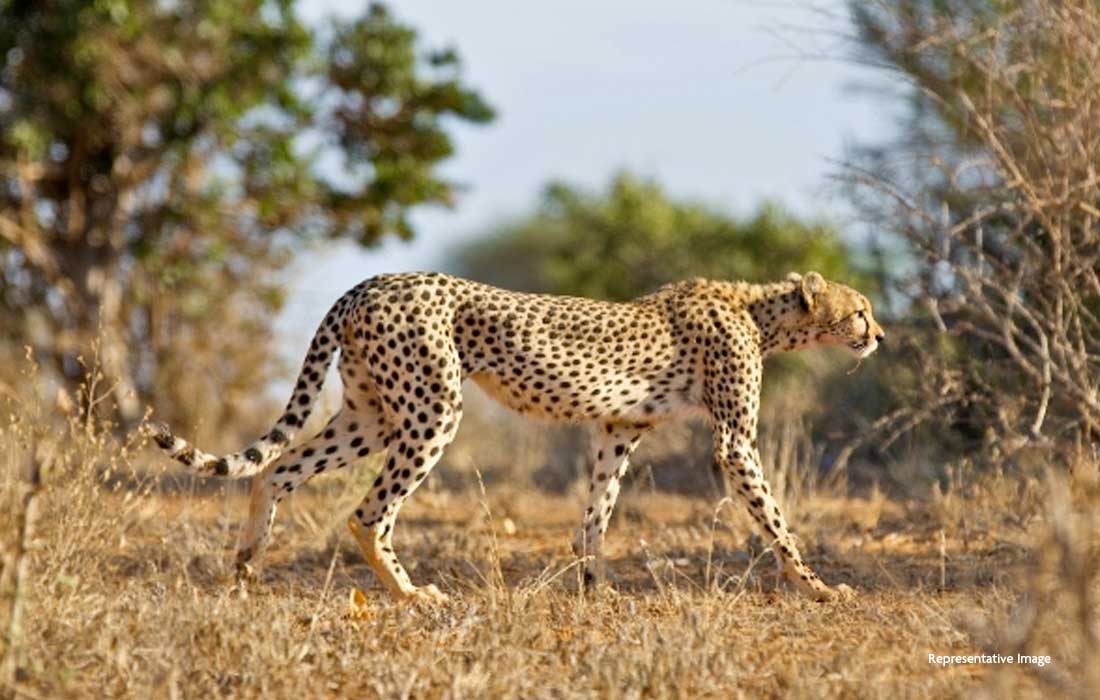
NEW DELHI: India is set to receive another batch of eight cheetahs from Botswana by the third week of December as part of its ongoing efforts to restore the species to its historical range. The initiative, known as Project Cheetah, aims to reintroduce the world’s fastest land animal to India, where it was declared extinct in 1952.
The cheetahs, currently under quarantine in Botswana, will be moved to Kuno-Palpur National Park in Madhya Pradesh, where they will undergo another 2–3 months of acclimatisation before their formal release into the wild. The Ministry of Environment, Forest and Climate Change confirmed the bilateral agreement with Botswana for the transfer.
India currently has 27 cheetahs, including 16 born locally. Of these, 24 reside in Kuno National Park and three in the newly established Gandhi Sagar Wildlife Sanctuary. The country has previously received cheetahs from Namibia and South Africa, with the first batch introduced in September 2022 by Prime Minister Narendra Modi.
Despite these milestones, the project has faced criticism from wildlife experts. Concerns have been raised about the survival rate of cheetahs brought from southern Africa, with nine adult cheetahs and ten locally born cubs having died so far. Experts attribute the high mortality to differences in climatic conditions and disruptions in the biological clocks of cheetahs transferred between hemispheres.
A senior official from the National Tiger Conservation Authority noted that “crucial lessons from earlier translocations may not have been fully absorbed,” pointing to the potential mismatch between the Southern Hemisphere cheetahs and Indian habitats.
Still, the government views Project Cheetah as a pioneering success. Union Minister Bhupendra Yadav described the effort as a “big success,” highlighting the birth of 26 cubs in India since the programme began. With the arrival of the new batch from Botswana, officials aim to further stabilise the cheetah population and enhance genetic diversity in Indian reserves.
Project Cheetah is the world’s first intercontinental translocation of a large wild carnivore and forms part of a broader strategy to revive India’s grassland ecosystems through predator reintroduction.