
DUBAI: Strengthening a key global partnership, Dubai and India are moving forward with new initiatives aimed at enhancing trade, logistics, and customs services. A high-level meeting was recently held between Dubai Customs and a visiting Indian delegation led by Arti Agarwal Srinivas, Director General of Systems and Data Management at India’s Central Board of Indirect Taxes and Customs (CBIC), to explore expanded cooperation across vital trade corridors.
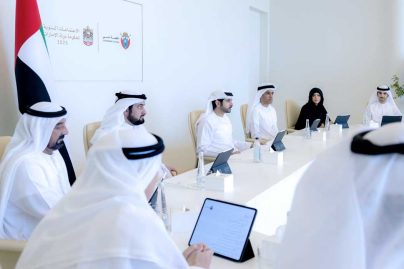
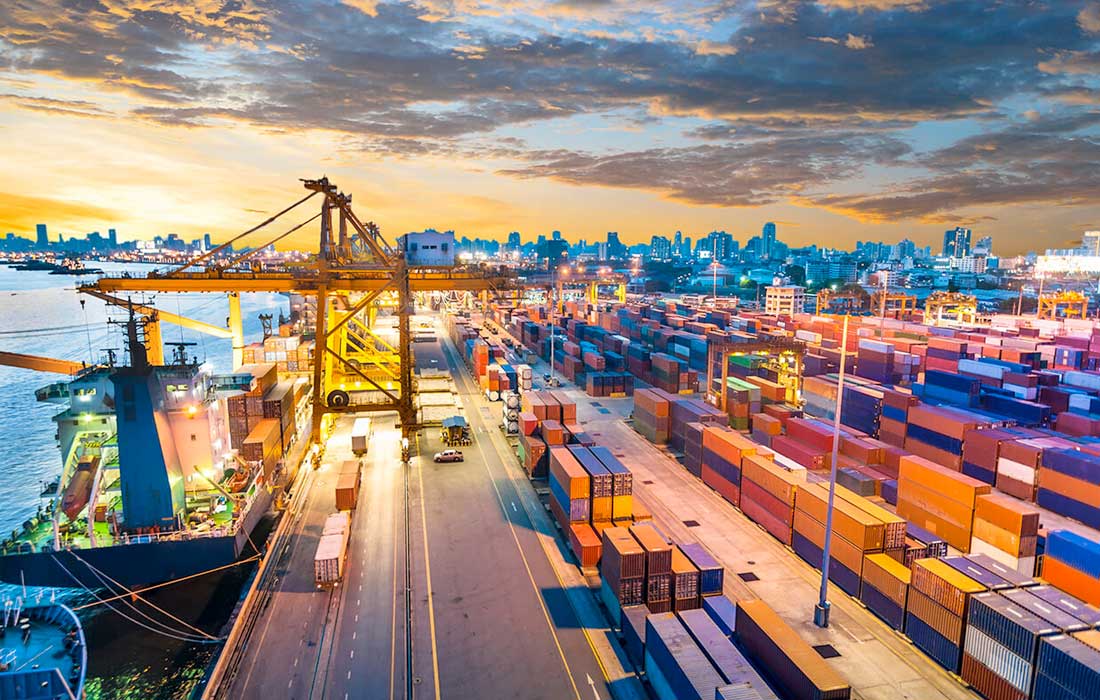
The meeting also saw the participation of representatives from DP World, as discussions focused on advancing inter-MENA trade, accelerating customs clearance, and boosting supply chain efficiency. Key topics included the India-Middle East-Europe Economic Corridor (IMEEC) and the development of a supporting virtual trade corridor to streamline processes.
His Excellency Dr. Abdulla Busenad, Director General of Dubai Customs, welcomed the delegation, highlighting that this initiative is part of the Dubai Economic Agenda to position the city as a leading global logistics hub. He noted India’s vital role in Dubai’s trade network and underscored shared goals such as increased investment flows and enhanced global competitiveness.
India’s delegation head, Arti Agarwal Srinivas, praised Dubai’s progress in customs digitalisation and logistics innovation. She described Dubai as a crucial link for India’s global trade ambitions, especially in accessing markets across the Middle East, Africa, and Europe.
During the session, the two sides reviewed the “MAITRI platform”—a new joint digital system designed to connect customs and port systems between the UAE and India. The platform aims to ease data exchange, reduce shipping delays and customs costs, and foster broader, more agile logistics partnerships.
Also attending the meeting were Mansoor Al-Malik, Executive Director for Policies and Legislation at Dubai Customs, and Ateeq Al Muhairi, Executive Director of the Customs Development Sector. All parties reaffirmed their commitment to continued collaboration, emphasising innovation and agility to meet future trade challenges and ambitions.