
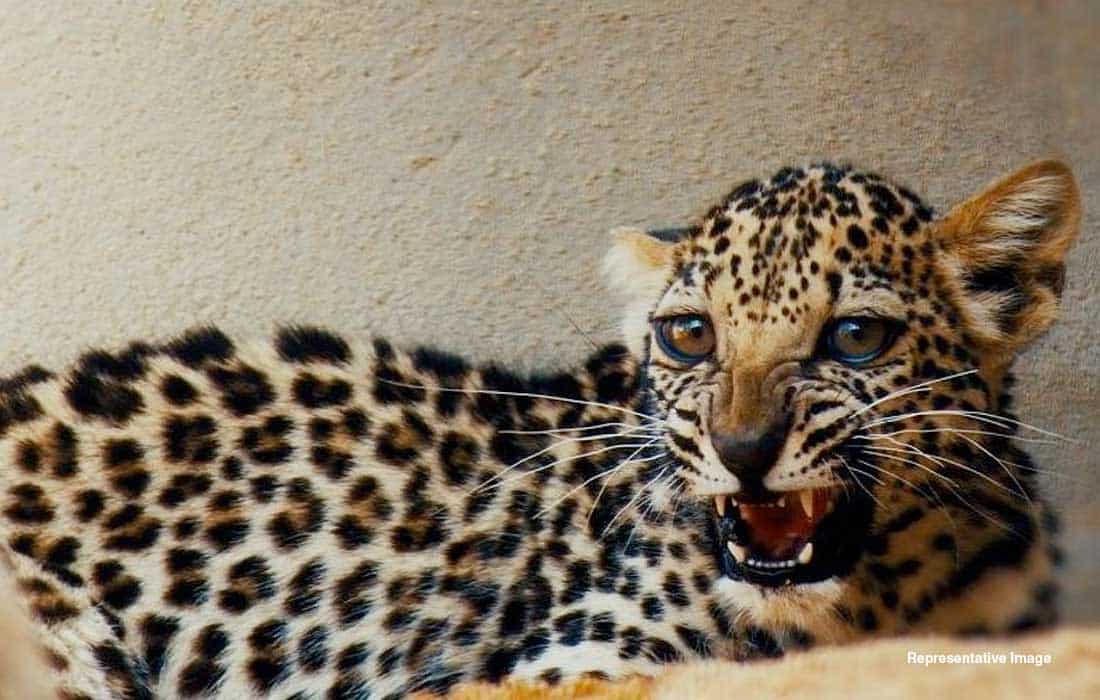

SHARJAH: The Arabian Leopard Conservation Strategy Conference has successfully concluded after three days of insightful discussions at Sharjah Safari, organised by the Environment and Protected Areas Authority (EPAA). The event, held in partnership with the IUCN SSC Cat Specialist Group, gathered experts and policymakers to tackle the urgent issues threatening the critically endangered Arabian Leopard.
The main focus of the conference was to refine conservation efforts across the Arabian Peninsula, particularly within the UAE, Oman, Saudi Arabia, and Yemen. Participants assessed existing programmes and explored ways to reintroduce the Arabian Leopard into its natural habitat. A key achievement was the adoption of the updated Arabian Leopard Conservation Strategy, initially developed in 2010, aimed at enhancing the species’ chances of survival.
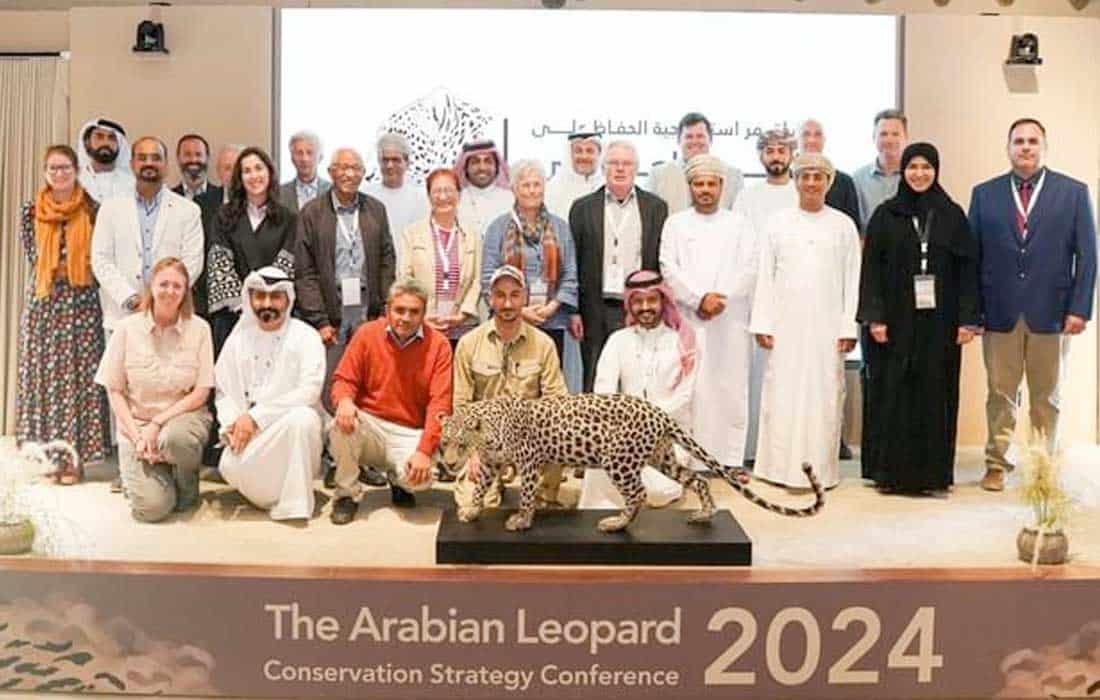
Hana Saif Al Suwaidi, Chairperson of EPAA, emphasised the increasing challenges faced by the Arabian Leopard, noting that its situation is now more critical than in 2010. The discussions highlighted the importance of regional cooperation, particularly in addressing genetic threats from inbreeding due to small, isolated populations. The conference also stressed that merely protecting wild populations is insufficient; boosting numbers through breeding and reintroduction efforts is essential.
One of the key outcomes was the call to strengthen the breeding programme, crucial for preserving the leopard’s genetic diversity. Sharjah will lead this initiative, coordinating an international joint effort across range states. Oman, with the most stable population, will expand its conservation expertise, while Yemen’s regions, potentially harbouring significant populations, will require intensified research and protection. Saudi Arabia, with the largest historical range, will focus on habitat preparation and capacity building for reintroduction projects.
Also read: UAE Amnesty: Consulate Assists 10,000+ Indians with Passports, Exit Permits, and Fee Waivers
In conclusion, the conference underscored the need for habitat restoration, community involvement, and prey population management to ensure the Arabian Leopard’s long-term survival.