
WORLD CAPITALS: A new report by global health experts highlights the severe impacts of climate change on public health, linking rising temperatures from fossil fuel emissions to escalating drought and food security issues. The Lancet Countdown on Health and Climate Change, now in its eighth year, reports that 2023 was the hottest year on record, exposing people to 50 more days of health-threatening heat than would have been the case without climate change.
Collaboratively produced with input from 122 experts across 57 academic institutions and UN agencies, including the World Health Organisation (WHO) and the World Meteorological Organisation (WMO), the report warns that extreme weather events are taking a toll on lives, health, and livelihoods worldwide. In 2023, persistent droughts, heat waves, floods, and wildfires affected large populations, while heat-related deaths among those over 65 surged by 167% since the 1990s—a much greater increase than the projected 65% had temperatures remained stable.
Dr. Marina Romanello, Executive Director of the Lancet Countdown, voiced concern over these findings, describing them as the most alarming yet in the report’s history. She noted that “last year broke climate change records, with deadly heat waves, extreme weather, and wildfires. No individual or economy is immune to these health threats. Fossil fuel expansion and rising emissions are undoing the limited progress made and making a healthy future harder to achieve.”
Also read: UAE National Day Travel Bookings Surge 35%: musafir.com Reveals Key Insights!
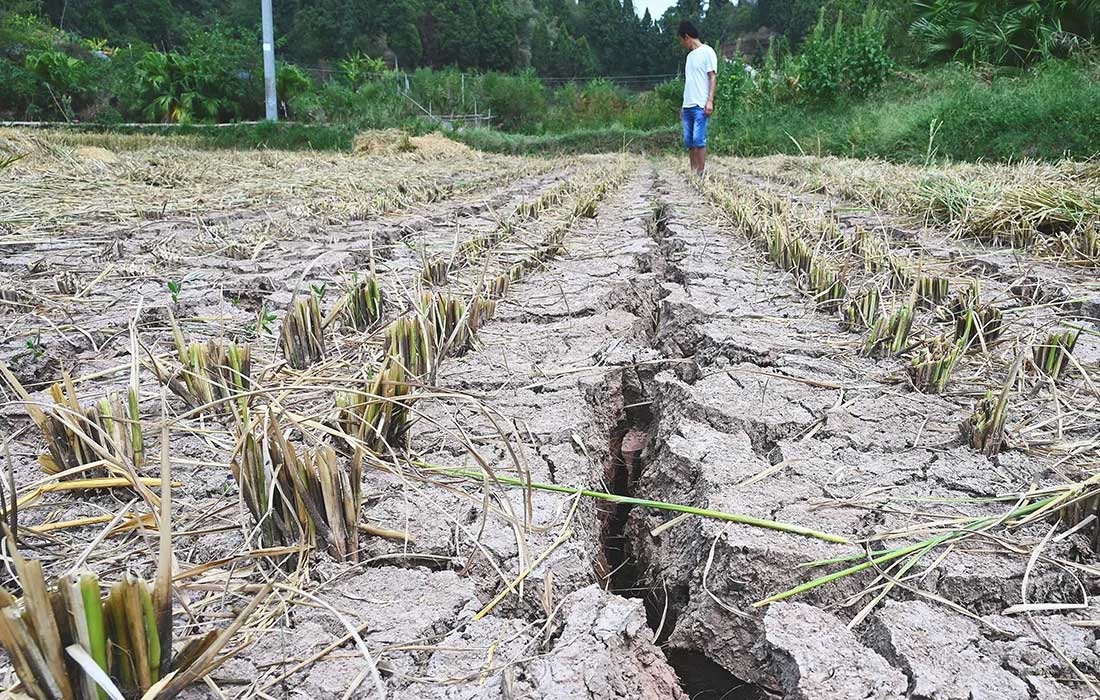
The data reveals that 48% of global land experienced extreme drought in 2023, the second-highest level on record. Drought and heat waves in 124 countries caused moderate to severe food insecurity for 151 million more people than the average annually between 1981 and 2010. Increased extreme rainfall events across 61% of global land over the past decade have heightened risks of floods, disease outbreaks, and water contamination. Additionally, climate conditions have made the spread of mosquito-borne diseases more likely, further stressing global health systems.
The report serves as an urgent reminder of climate change’s accelerating threat to global health, with rising temperatures and emissions pushing communities further into crises.