
A new Joint Research Centre report finds circular economy strategies could help EU heavy industries slash up to 231 million tonnes of CO₂ emissions annually while boosting trade and energy resilience.
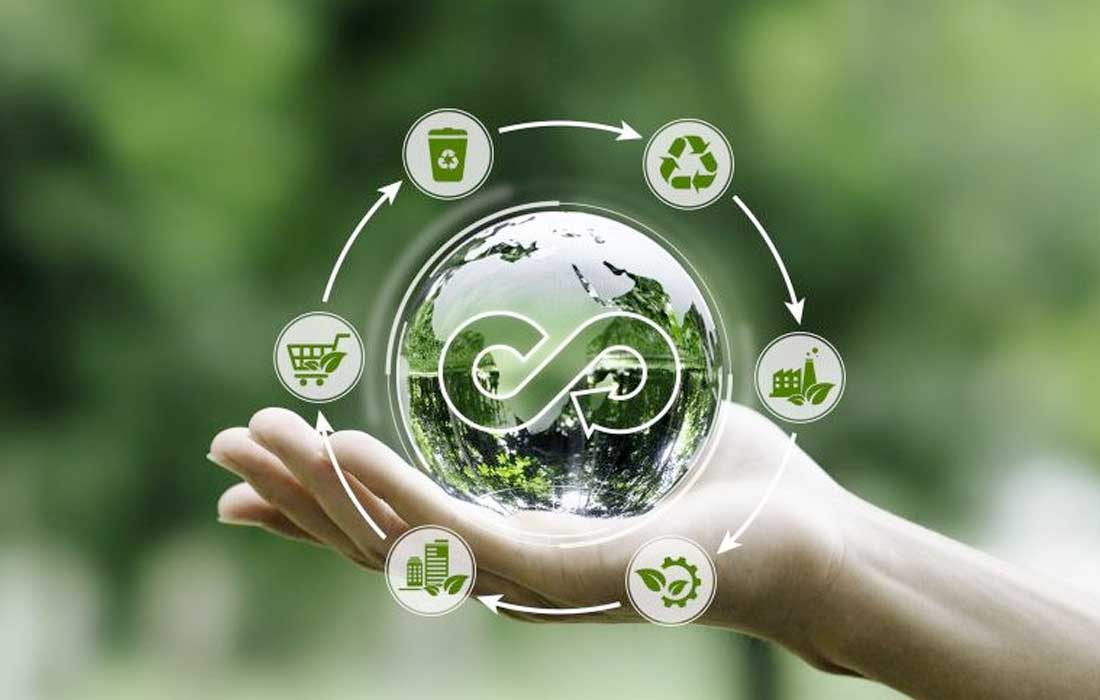
BRUSSELS: The European Commission’s Joint Research Centre (JRC) has revealed that adopting circular economy practices across the EU’s heavy industries could reduce up to 231 million tonnes of CO₂ emissions per year, while strengthening energy security and economic competitiveness.
According to the new JRC report, “Capturing the Potential of the Circular Economy Transition in Energy-Intensive Industries”, better materials management — including reduction, reuse, and recovery — could significantly curb greenhouse gas emissions from steel, aluminium, cement, concrete, and plastics.
The steel sector alone could cut 64–81 million tonnes of CO₂ equivalent per year, while plastics could account for 75–84 million tonnes, making them the largest contributors to potential reductions.
Circularity measures could also lower EU-wide fossil fuel demand and electricity consumption by nearly 4.7% compared to 2023 levels. This reduction would ease the bloc’s dependence on imported fuels and raw materials, enhancing resilience to global energy volatility.
Beyond climate benefits, the circular transition could improve the EU’s trade balance by around 4%, equivalent to €35 billion annually, mainly through reduced imports of iron ore (down 22%), bauxite (down 11%), and fossil fuels.
The report recommends policies to accelerate the shift toward circular production — such as investing in recycling technologies, promoting resource-efficient design, and using Green Public Procurement to create demand for sustainable materials.
“These strategies align with the EU’s goals of achieving sustainability, reducing global dependencies, and driving industrial competitiveness,” the JRC noted.
As Europe intensifies efforts to meet its 2050 climate neutrality target, the study underscores that the circular economy can be both a climate solution and a long-term economic growth driver.