
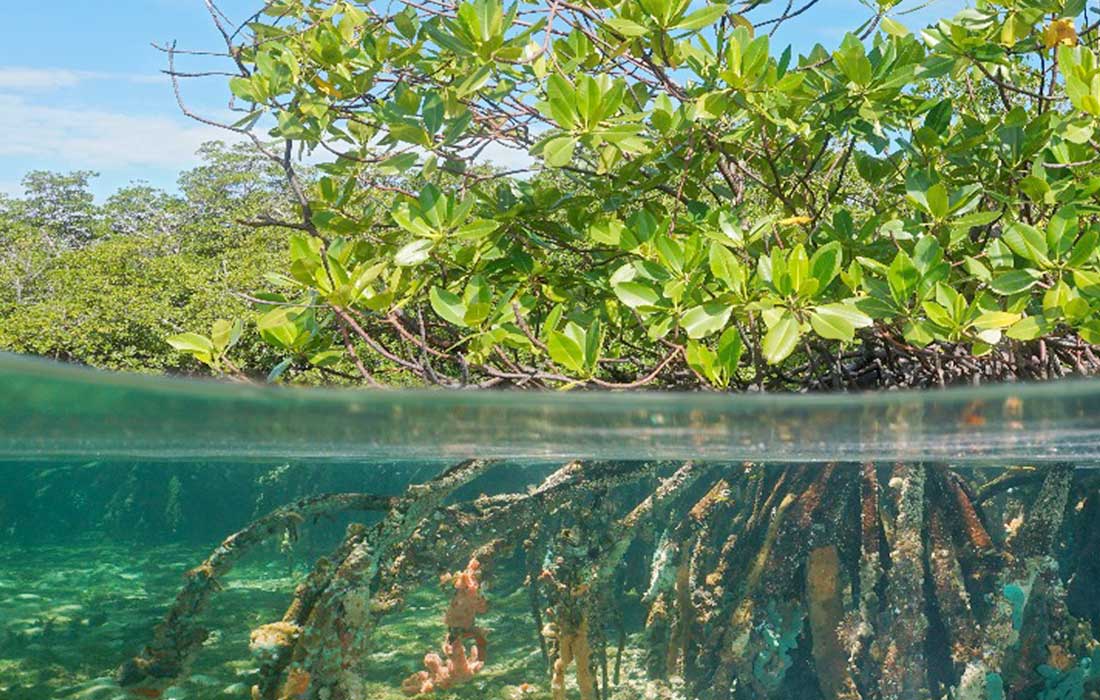

PARIS: UNESCO has warned that more than three-quarters of the world’s mangroves are under risk, along with the many species that rely on them. In response, UNESCO is working to protect these vital ecosystems through its Biosphere Reserves, Global Geoparks, and natural World Heritage sites, according to Ms Audrey Azoulay, Director-General of UNESCO.
On the International Day for the Conservation of the Mangrove Ecosystem on 26th July, she stressed the need for urgent action. Mangroves are crucial as carbon sinks, and UNESCO is leading a project to restore mangroves in seven Latin American countries: Colombia, Cuba, Ecuador, El Salvador, Mexico, Panama, and Peru. This project aims to create economic opportunities for local communities and foster collaboration between local people and scientists.
UNESCO is also supporting floating mangroves and researching their carbon capture abilities at Lusail Marina in Qatar. The University of New South Wales in Australia, with support from Swire Shipping and UNESCO, is working on a similar project in Fiji.
Also read: Saudi Arabia celebrates birth of four Cheetah Cubs, unveils new Conservation Plan
Raising global awareness is also key. The first International Conference on Mangrove Conservation and Restoration will be held in Abu Dhabi from 10 to 12 December this year, with UNESCO as a partner. This conference aims to highlight the importance of mangroves and encourage their preservation.
Mangroves are unique ecosystems located where land meets sea. They are essential for coastal communities, providing food, protection, and supporting a rich variety of wildlife. They help shield against storm surges, tsunamis, and erosion and are effective carbon sinks. Despite their importance, mangroves cover less than 1 percent of tropical forests and less than 0.4 percent of global forests.