
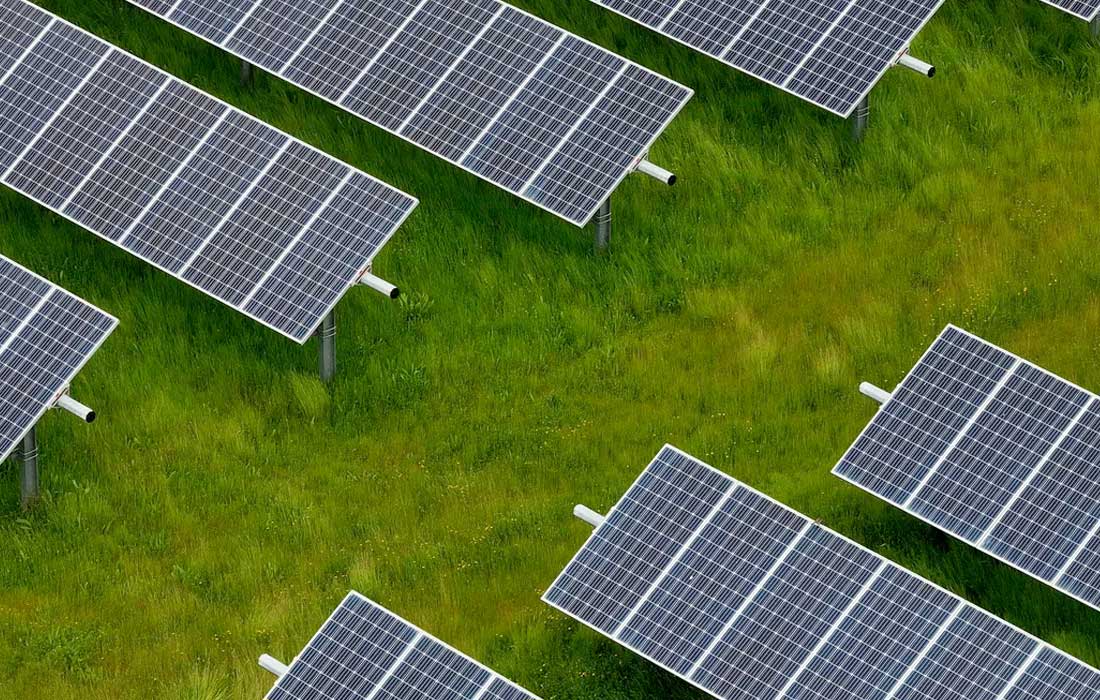

Solar projects are set to provide over half of new US electric capacity in 2025, with Texas leading installations.
WASHINGTON, D.C.: The United States is on track to see solar energy account for more than half of all new electric generating capacity in 2025, according to the US Energy Information Administration (EIA). Developers added 12 gigawatts (GW) of utility-scale solar during the first half of the year and plan to add another 21 GW before year-end.
If all 64 GW of planned projects are completed, 2025 will mark a record year for capacity additions, surpassing the previous record of 58 GW set in 2002, when natural gas dominated new generation. Today, renewables and storage technologies are reshaping the grid, with battery storage, wind, and natural gas making up the rest of the additions this year.
Texas has emerged as the driving force behind the solar surge. The state accounted for 27% (3.2 GW) of solar added in the first half of 2025 and plans to install another 9.7 GW in the second half. This expansion solidifies Texas’s position ahead of California as the nation’s leader in utility-scale solar capacity.
Battery storage is also expanding rapidly, representing the second-largest share of new additions. Developers installed 5.9 GW of storage in the first half of the year, with Arizona and California contributing nearly half of that total. Texas is expected to add another 7 GW of storage before the end of 2025.
The EIA noted that if developers complete their solar and storage projects as planned, both technologies will achieve their largest annual increases ever. These milestones reflect a growing shift in the US energy mix, with renewable energy and storage now central to future grid development.