

New research suggests that volcanoes were still active on the moon when dinosaurs roamed Earth. This finding comes from three tiny glass beads collected from the moon’s surface by the Chinese Chang’e 5 mission in 2020. The chemical analysis of these beads shows that lunar volcanoes may have erupted as recently as 120 million years ago, which is much later than previous estimates.
Earlier studies of moon rock samples had suggested that volcanic activity on the moon ceased around 2 billion years ago, and some estimates even dated it back to 4 billion years ago. This new research, published in the journal Science, challenges those earlier timelines.
Julie Stopar, a senior scientist at the Lunar and Planetary Institute, found the results surprising. Although NASA’s Lunar Reconnaissance Orbiter had previously suggested recent volcanic activity, the glass beads provide the first tangible evidence. However, more research is needed to fully confirm the findings.
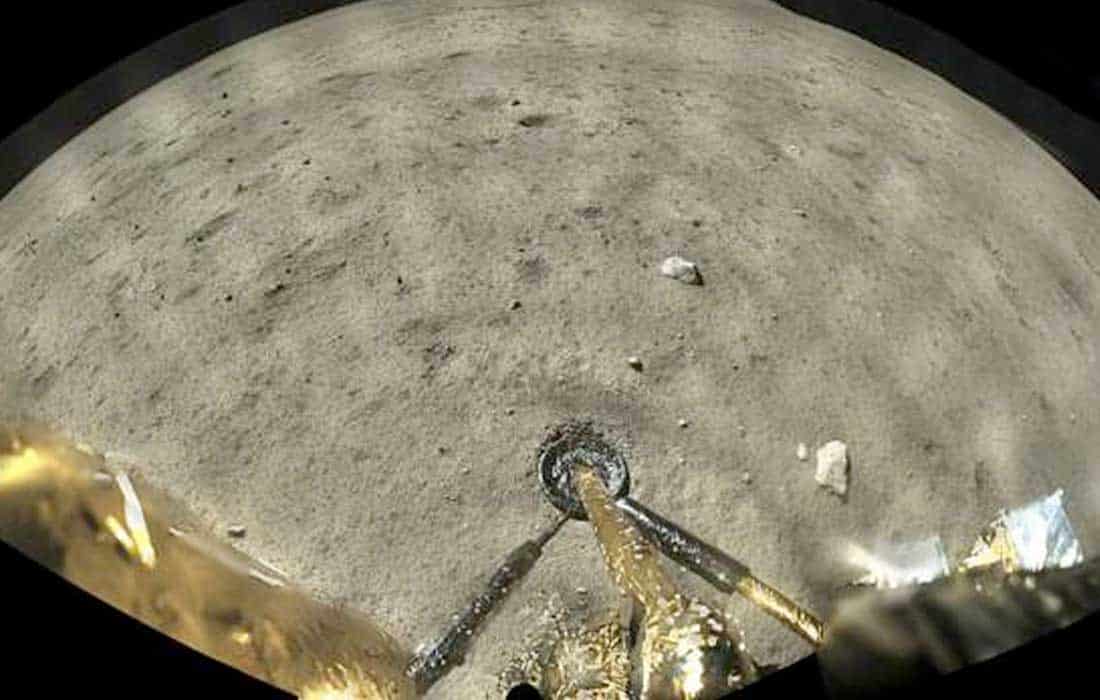
The Chang’e 5 mission, which brought back moon rocks for the first time since NASA’s Apollo missions and Soviet missions in the 1970s, has provided valuable insights. The new samples, including those from the far side of the moon returned in June by China, offer a unique perspective on lunar geology.
The study, conducted by He Yuyang from the Chinese Academy of Sciences, examined about 3,000 tiny lunar glass beads. They found three beads indicating volcanic origins. These beads formed from molten droplets that cooled after volcanic eruptions or meteorite impacts.
Also read: Calm down! Selena Gomez officially becomes a billionaire
This new timeline for lunar volcanic activity could change our understanding of how long small planets and moons remain volcanically active. The discovery is expected to prompt further studies to explore these unexpected findings.
-Agencies