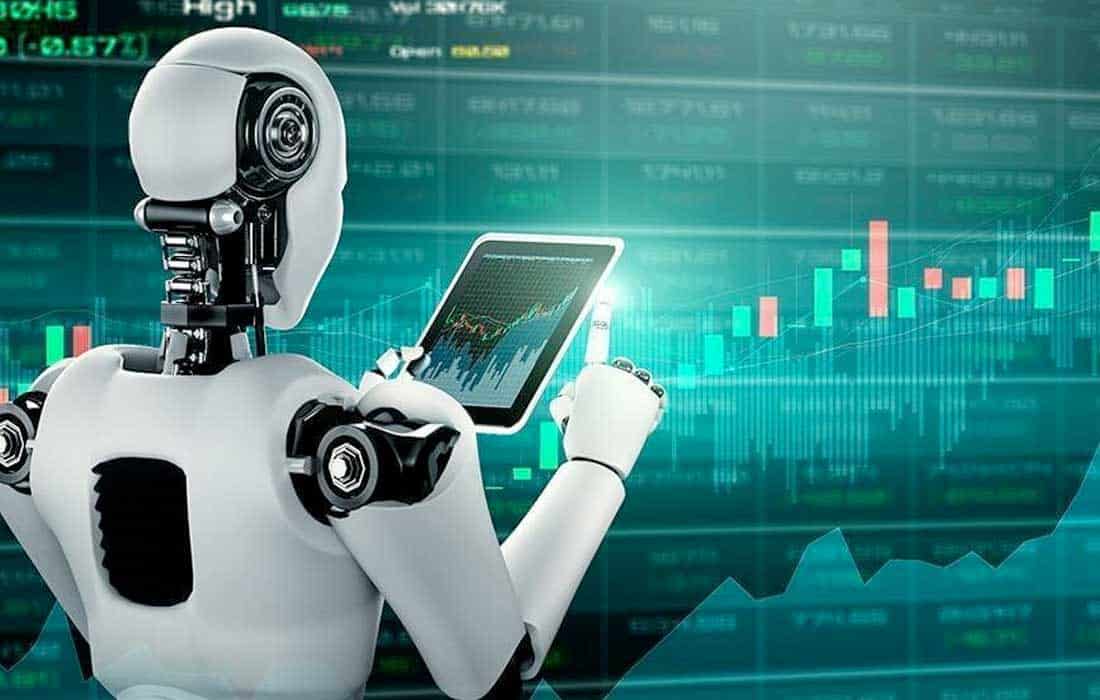

DUBAI: At the recent 2024 Annual Meeting of the Global Future Councils (AMGFC24) in Dubai, Dr. Erik Brynjolfsson from Stanford University highlighted how artificial intelligence (AI) is shaping our future. He described AI as the most influential technology since the Watt steam engine, which kickstarted the Industrial Revolution. Dr. Brynjolfsson believes that while AI will change how we work, it won’t necessarily take away jobs—provided businesses and policymakers focus on augmentation rather than automation.
During a panel discussion titled “Keeping AI on Track,” Dr. Brynjolfsson addressed concerns about AI replacing jobs. He emphasized that instead of worrying about job loss, we should view advanced technology as a tool to enhance the tasks people do. He gave an example from the healthcare sector, explaining that despite fears that AI might replace radiologists, the demand for these professionals has actually tripled from 2016 to 2022. This increase shows how AI can support specific tasks, like image recognition, while still requiring human expertise for other responsibilities.
“Jobs are made up of various tasks,” he noted, mentioning that while AI can assist in interpreting images, there are tasks—like administering sedation—where human involvement is essential.
Dr. Brynjolfsson shared some eye-opening stats: about 80% of the US workforce will see at least 10% of their tasks impacted by AI, and 19% of workers may experience significant changes, especially in higher-paying jobs like medical doctors. He stressed that instead of automating jobs, there’s a greater opportunity to augment human capabilities with AI.
With the rapid transformation expected over the next decade, he urged policymakers to keep a close eye on these developments.
Also read: NASA launches mission to investigate potentially habitable ocean world
The UAE is hosting the annual meeting for the second consecutive year from October 15 to 17 at Madinat Jumeirah, bringing together over 700 participants from 80 countries. The event aims to set the agenda for the upcoming World Economic Forum Annual Meeting in Davos this January. Since its inception in 2008, the Global Future Councils network has gathered more than 12,000 participants to discuss key trends impacting humanity.