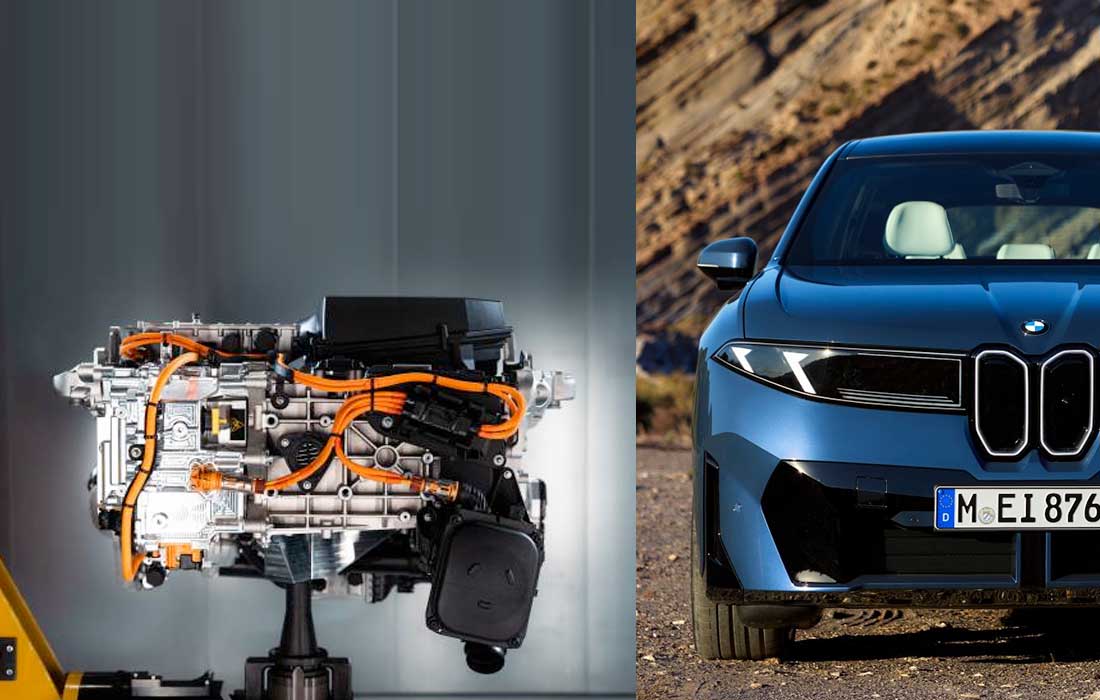

BMW has unveiled its third-generation hydrogen fuel cell system, more compact, more powerful, and more efficient, co-developed with Toyota.
MUNICH: BMW is charging ahead with greener innovation, revealing its third-generation hydrogen fuel cell system that is smaller, stronger, and smarter than ever before. The German carmaker, working closely with Toyota, has made big strides in creating a cleaner alternative for future driving.
The new setup has cut space use by nearly 25 percent, making it much easier to fit into different types of cars. This compact design means BMW can now offer drivers more flexibility in choosing between electric, fuel cell, or hybrid options in the coming years.
Efficiency has also jumped up a notch. By fine-tuning components and improving the way the system runs, BMW has managed to increase both range and output while cutting down on energy consumption. This is a major step up compared to the earlier fuel cell systems that powered the BMW iX5 Hydrogen pilot fleet.
Prototypes of the fuel cell system are currently being built at BMW’s hydrogen competence centre in Munich. These early models are being tested to make sure the technology is reliable, safe, and ready for full-scale production. BMW says series production will officially kick off in 2028 at its Plant Steyr in Austria, a facility already known for advanced engine and motor manufacturing.
Meanwhile, key components such as the BMW Energy Master, which manages power flow in hydrogen cars, will be produced at BMW Group Plant Landshut from 2026 onwards. With this, BMW is laying the groundwork for mass production of hydrogen-powered cars, while Toyota continues to provide the individual fuel cells as part of the collaboration.
With this latest leap, BMW is not only preparing for a hydrogen-powered future but also keeping its options open in the evolving world of clean mobility.