
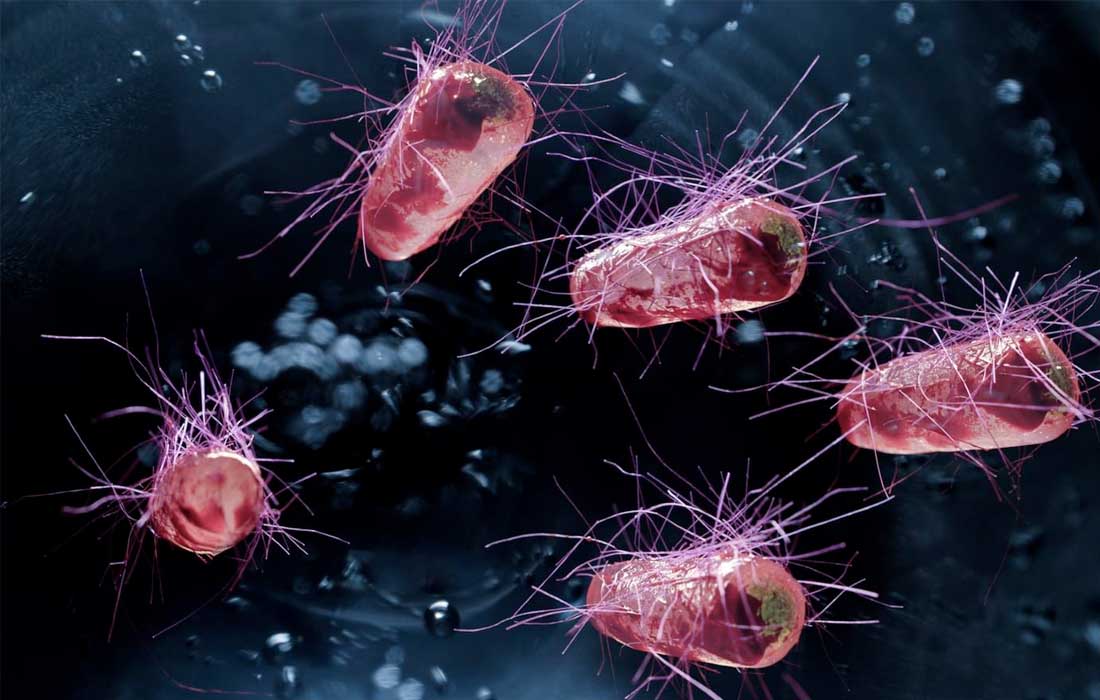

British scientists have engineered a new E. coli strain, Syn57, with just 57 codons, offering potential for novel amino acids.
CAMBRIDGE: British scientists have successfully created the most genetically streamlined bacterial genome to date, unveiling a newly engineered strain of Escherichia coli known as Syn57. Developed at the Medical Research Council Laboratory of Molecular Biology, the bacterium features a radically recoded genome containing just 57 codons, compared with the natural 64.
In nature, codons – triplets of nucleotides – direct the creation of proteins essential for life. While there are 64 codons, only 21 are actually necessary to produce 20 amino acids and a stop signal. By cutting the number to 57, scientists have freed parts of the DNA code, making room for designing novel amino acids never before found in nature.
The achievement required more than 100,000 genetic edits, surpassing the team’s 2019 effort with Syn61, which contained 61 codons. Although Syn57 currently grows four times slower than standard E. coli, researchers believe future refinements will improve growth rates. The previous Syn61 strain is already being used to make more reliable medicines.
Lead researcher Wesley Robertson described Syn57 as a significant leap in synthetic biology, potentially paving the way for bacteria with virus-resistant traits. Such innovations could revolutionise the creation of advanced materials and next-generation pharmaceuticals, pushing genetic engineering into “realms inaccessible to natural life.”