China’s new influencer rules ban luxury flexing, demand real qualifications for serious advice, and require full disclosure on earnings and AI use.
BEIJING: China just dropped a strict new rulebook for influencers—and it’s going to change how they post, earn, and interact online. Under these fresh guidelines, content creators can no longer speak on complex topics like medicine, law or finance unless they’re actually qualified. Yes, that means proof of certification.
Flaunting flashy lifestyles is also being discouraged. The days of showing off designer bags, Lamborghinis and lavish holidays may be numbered, with authorities saying it sends the wrong message—especially to young followers. Instead, platforms want to push content that feels more grounded and socially responsible.
There’s more. Influencers must now be upfront about how much they make, how they pay their taxes, and if they’ve used AI to create any of their content. Everything from deepfake filters to AI-written captions needs to be labelled clearly. And if creators break the rules? They could face heavy fines or even get banned from platforms permanently.
Social media companies are being told to police their platforms closely. If they don’t catch violations, they could also face consequences. The government says it wants to build a “cleaner, healthier” influencer space—especially as the industry keeps growing fast.
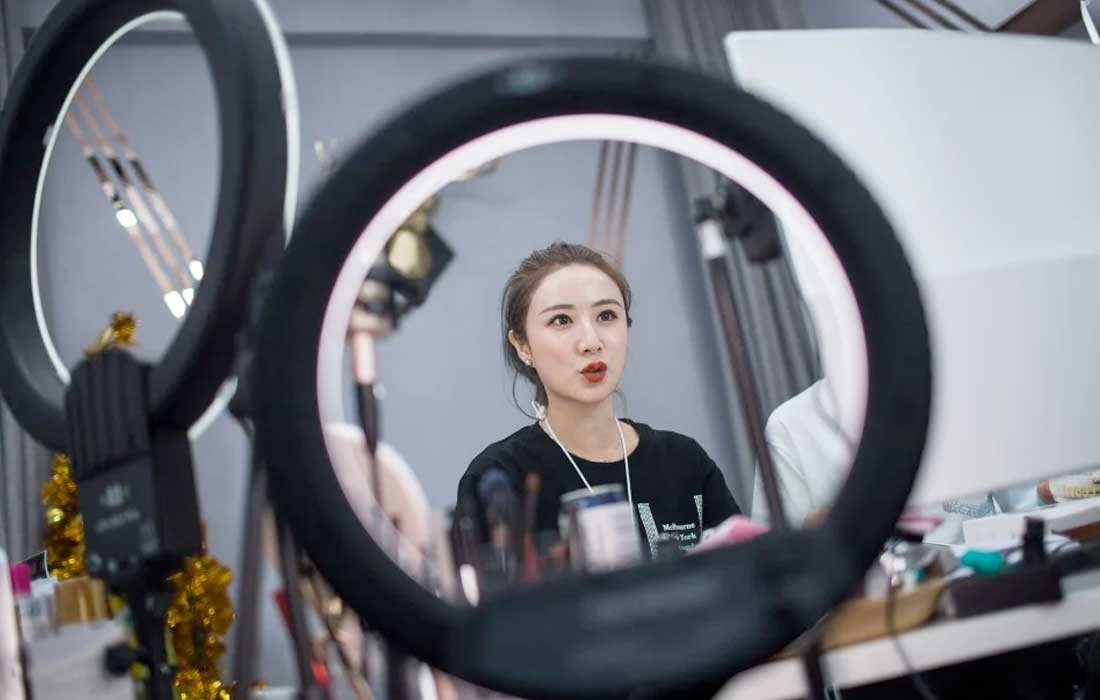
China’s influencer market is massive—worth over US$250 billion—and it’s a big part of online shopping and entertainment. But officials believe it’s time to rein things in and bring more structure to the wild world of livestreams, endorsements, and viral fame.