
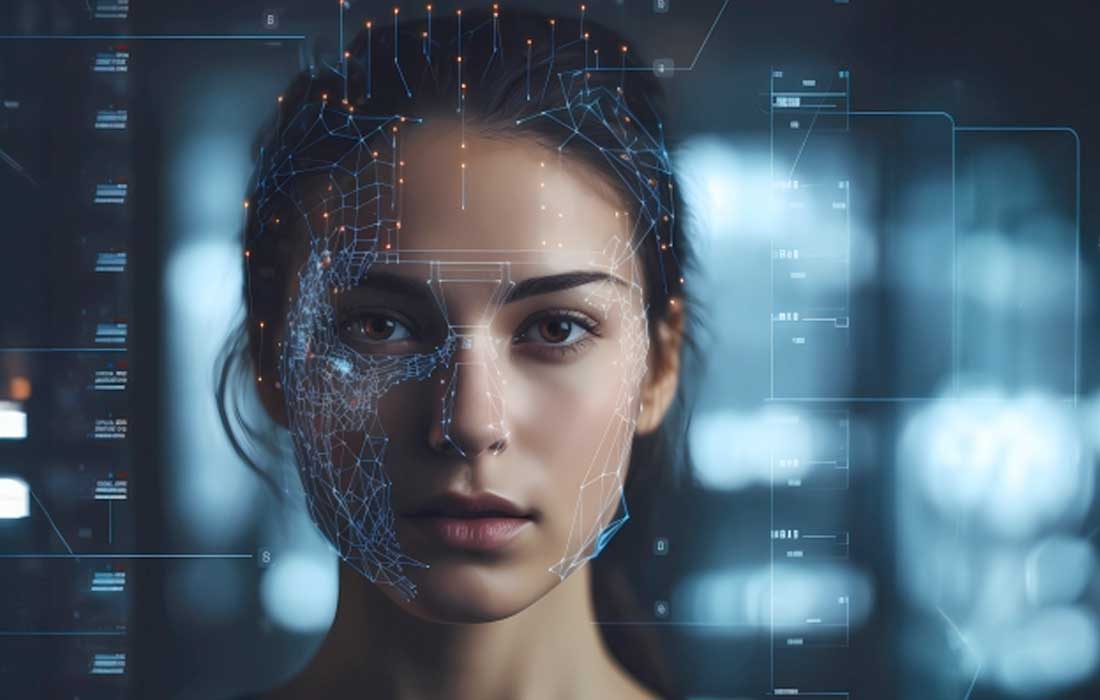

COPENHAGEN: In a historic move to protect personal identity in the age of artificial intelligence, Denmark has enacted a groundbreaking law granting individuals full copyright over their face, voice, and body. The new legislation enables citizens to control how their likeness is used online and holds digital platforms accountable for misuse.
The law directly addresses the increasing prevalence of deepfakes, which can be used to create misleading videos and images, including fake adult content, political misinformation, and voice-based scams. With this legal change, victims now have the right to demand removal of unauthorised content, seek compensation, and take legal action against violators.
This progressive step marks a significant milestone in digital rights and privacy protection. As Denmark prepares to take over the presidency of the European Union in 2025, many expect this legislation to serve as a model for wider adoption across the continent. The move reinforces a critical message in the AI age: digital replicas are not free to use — individuals own their own image.
Experts believe this framework could pave the way for stronger protections across Europe, particularly as concerns grow around AI-generated misinformation and synthetic media. It sets a legal precedent in favour of human dignity and digital consent, at a time when personal data and biometric identity are increasingly at risk.
With the rise of generative AI, the need for robust governance has become urgent. Denmark’s initiative highlights how lawmakers can respond proactively to technological disruption, building a safer and more respectful digital ecosystem for all.