
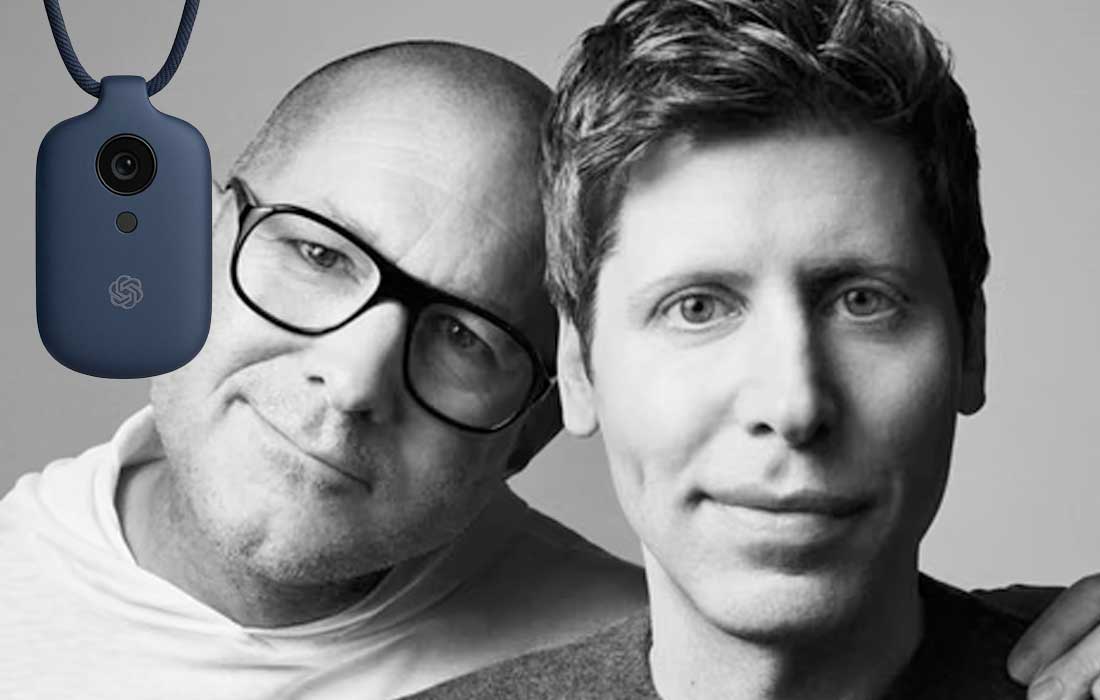

OpenAI and Jony Ive’s AI device faces major delays, as emotional design, privacy hurdles, and massive compute demands stall its debut.
SAN FRANCISCO: It was pitched as the future in your pocket — a sleek, screenless, whisper-smart AI device from OpenAI and design icon Jony Ive. But now, the so-called “iPhone of AI” seems to be facing a very human problem: it’s just too complicated to launch anytime soon.
Sources close to the project say the project is deep in delay mode, with technical, emotional, and computational hurdles stacking up fast. Originally imagined as a seamless “phygital” companion — a kind of ambient, always-on assistant — the device has run into questions no amount of design flair can smooth over.
The big headache? Personality. Developers are struggling to make the AI feel intelligent but not creepy, warm but not clingy. “It’s like trying to build a friend who’s a computer but doesn’t feel like your weird AI girlfriend,” one insider said. And yes, that’s trickier than it sounds.
Privacy is another sticking point. With no screen or obvious “on” button, the device would always be listening — which sounds cool, until you realise that also means it could always be recording. Without the usual visual cues, concerns over consent and data security are growing.
Even if the hardware shell is nearly done, thanks to Ive’s LoveFrom studio, the real problem is under the hood. OpenAI’s language models need massive computing power — way more than you can squeeze into something pocket-sized. Unlike Amazon or Google, OpenAI doesn’t yet have the cloud muscle to serve millions of real-time AI requests.
Manufacturers are on standby, and talks with suppliers like Luxshare have begun. But right now, the dream device is stuck in what one developer calls “a paradox of simplicity built on top of insane complexity.”
For now, the AI buddy of tomorrow is still stuck in debug mode. But hey — at least it’s not texting you “wyd” at 3am.