
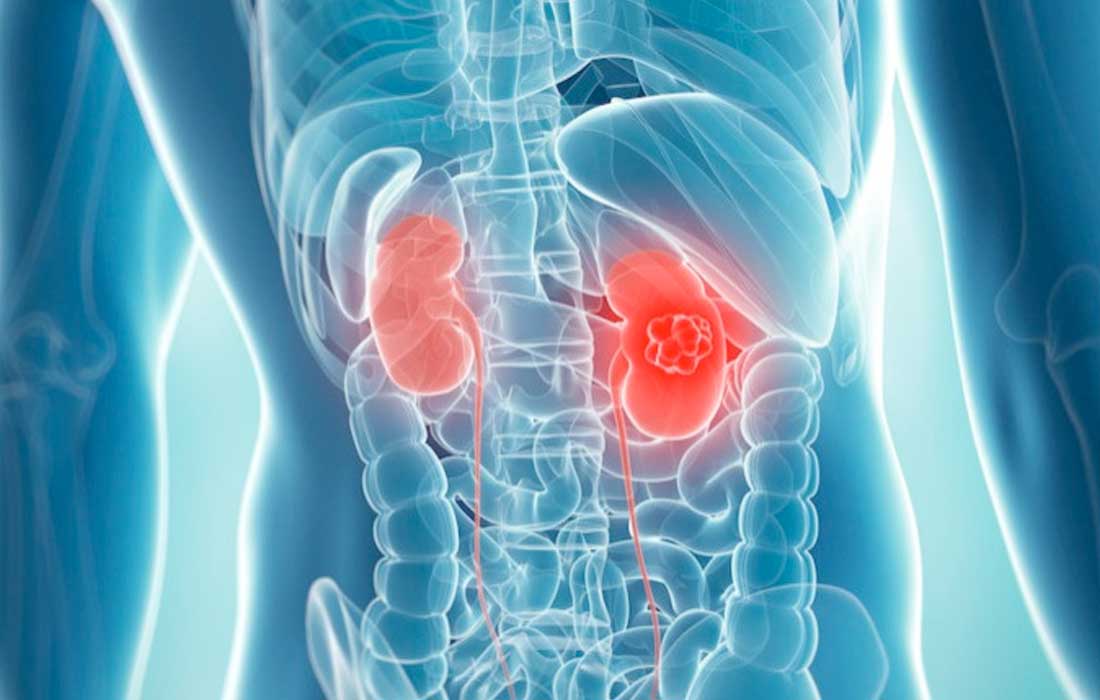

Texas A&M researchers have discovered how to block tumour growth in a rare childhood kidney cancer by dissolving RNA-driven droplets in cells. The rare kidney cancer breakthrough could revolutionise treatment for translocation renal cell carcinoma.
TEXAS: Scientists at the Texas A&M Health Science Centre have made a critical breakthrough in the fight against a rare and aggressive form of childhood kidney cancer, revealing a new way to halt tumour growth at its molecular core. Their findings, published in Nature Communications, focus on translocation renal cell carcinoma (tRCC) — a cancer driven by abnormal gene fusions and with few effective treatment options.
Researchers found that cancer cells hijack RNA, typically a messenger molecule, to form liquid-like “droplet hubs” in the cell nucleus. These droplets function as growth command centres, triggering tumour-promoting genes. By creating a nanobody-based chemogenetic tool — essentially a molecular ‘off switch’ — the team successfully dissolved these droplets in both lab and animal models, stopping tumour spread in its tracks.
“The RNA is not just a bystander but a builder of these cancer-driving condensates,” explained Dr. Yun Huang. The team also identified PSPC1, an RNA-binding protein that stabilises these structures, turning them into engines of tumour growth. Using cutting-edge tools like CRISPR and next-gen sequencing, researchers mapped how these droplets form and found precise ways to disrupt them.
This rare kidney cancer breakthrough not only provides fresh hope for tRCC patients but may also benefit treatment for other childhood cancers involving fusion proteins. “By targeting the weak points in protein-RNA interactions, we can explore therapies that are far more targeted and less toxic,” said Dr. Yubin Zhou, Director of the Centre for Translational Cancer Research.
Translocation renal cell carcinoma makes up nearly 30% of all renal cancers in children and teens. With traditional therapies offering limited relief, this discovery represents a new frontier in paediatric oncology, offering families hope through science-driven precision medicine.