
NASA study reveals spaceflight accelerates ageing and DNA damage in blood-forming stem cells, raising health concerns for astronauts.
WASHINGTON D.C.: A groundbreaking NASA-funded study has revealed that spaceflight may accelerate the ageing of human blood-forming stem cells, raising serious health implications for astronauts on long-term missions. The findings, published in Cell Stem Cell, stem from research using samples flown aboard four SpaceX resupply missions to the International Space Station between 2021 and 2023.
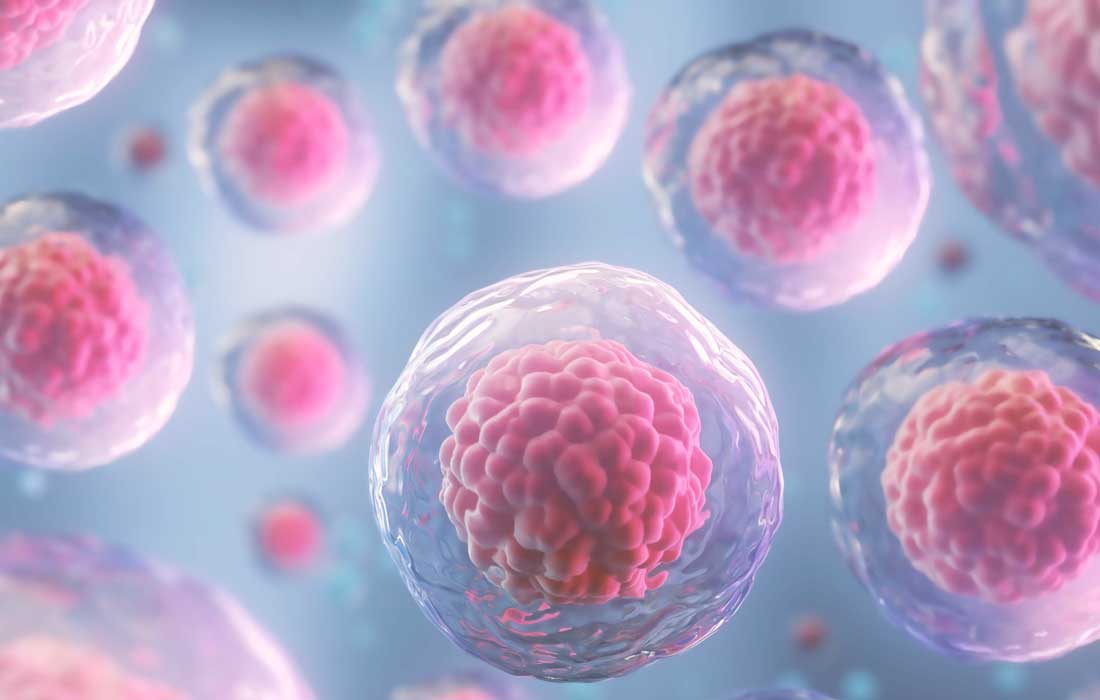
The research tracked human hematopoietic stem and progenitor cells—key to producing red and white blood cells, as well as platelets—over 30 to 45-day spaceflights. These cells, sourced from bone marrow donors, were compared with identical samples kept on Earth. The space-exposed cells showed early signs of ageing, DNA damage, mitochondrial stress, and telomere shortening—crucial indicators of stem cell degeneration.
According to Dr. Catriona Jamieson, senior author of the study and Director of the Sanford Stem Cell Institute at UC San Diego, the stem cells in space became overactive, exhausted their reserves, and displayed inflammatory markers. The microgravity environment and high radiation levels unique to space are thought to be the driving factors behind this rapid deterioration.
Interestingly, researchers noted variability in how different donors’ cells responded, suggesting some individuals may possess innate “anti-ageing resilience” factors. These findings could be instrumental not only for space travel but also for understanding ageing and diseases like cancer on Earth.
The study adds to growing evidence of the physiological toll of space missions, which already includes muscle atrophy, bone density loss, and immune system dysregulation. It may also shape future strategies to protect astronaut health during long-duration spaceflights to the Moon, Mars, and beyond.