
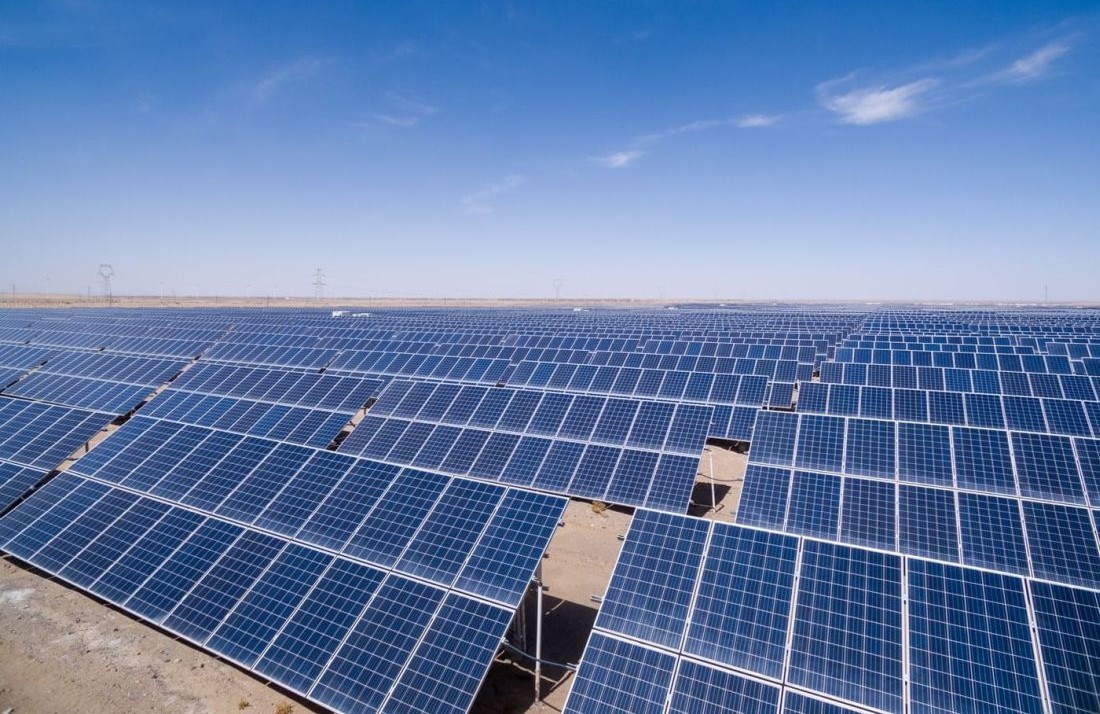

Chinese scientists created tin-based solar cells achieving record 17.7% efficiency, eliminating the environmental risks of lead.
SHANGHAI: In a major leap for green energy, researchers from Fudan University in China have developed a new tin-based solar cell that matches the efficiency of traditional lead-based models while eliminating toxic risks. The tin solar cell China innovation, published in Nature, could fast-track the global shift toward safer, environmentally friendly photovoltaics.
Perovskite solar cells have long been recognised for their high efficiency and cost-effectiveness, yet their dependence on lead has raised concerns. Now, Fudan’s research team has designed a lead-free perovskite solar cell with a record-breaking power conversion efficiency of 17.7 percent — the highest ever recorded for tin-based alternatives.
“Our goal was to create a solar cell that is truly green throughout its lifecycle,” said co-corresponding author Liang Jia. “Tin is abundant, safe, and well-suited for solar energy conversion. It also supports scalable manufacturing.” The team addressed long-standing challenges in tin cell performance, including oxidation and interfacial instability, by introducing a molecular layer that aligns energy levels and creates a “superwetting” base for the uniform growth of perovskite films.
This breakthrough reduces defects and enhances performance, positioning tin solar cell China technology as a cost-effective and clean option for future solar deployments. The material’s advantages include lower production costs compared to silicon and greater safety for close-contact applications such as wearables, vehicle rooftops, and building-integrated solar panels.
With sustainability becoming a core concern in energy tech, this lead-free solution marks a key milestone. Industry experts suggest that such breakthroughs could open new commercial pathways and help mainstream solar adoption in urban and off-grid environments globally.