
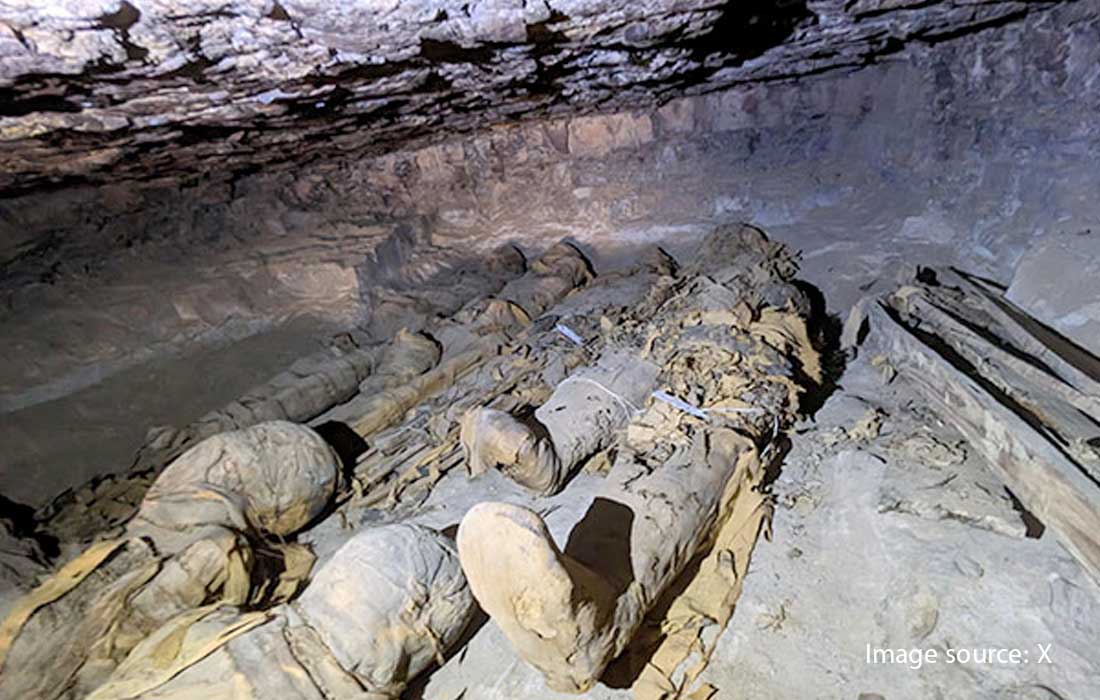

CAIRO: In June 2024, an Egyptian-Italian archaeological team made a remarkable discovery near the Aga Khan Mausoleum on Aswan’s west bank. They uncovered 33 Graeco-Roman family tombs previously unknown to scholars, shedding light on the health challenges faced by people of that time.
These tombs are part of a larger cemetery spanning over 400 burial sites dating from the 6th century BC to the 3rd century AD, spread across more than ten levels of terraces. Each tomb boasts unique architectural features: some have arched entrances leading through open courtyards enclosed by mudbrick walls, while others are carved directly into the rock of the mountain.
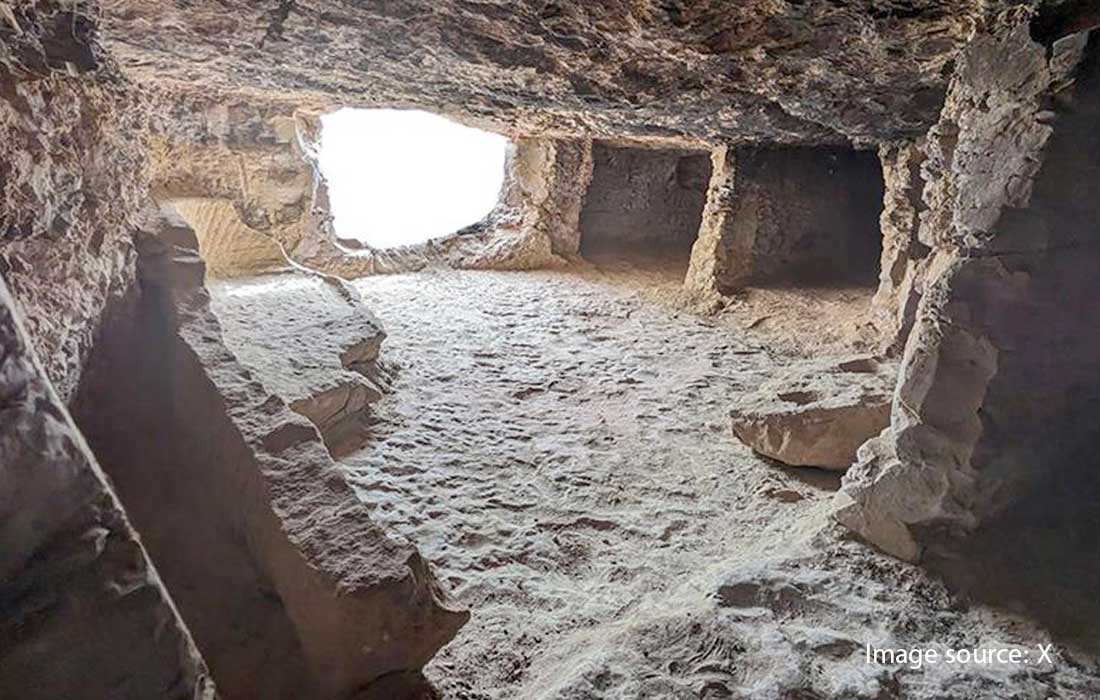
“This discovery is highly significant, enriching our understanding of the Aga Khan area’s historical importance,” stated Mohamed Ismail Khaled, Secretary-General of the Supreme Council of Antiquities (SCA). Many Graeco-Roman tombs in Aswan contain mummified remains and funeral artifacts, offering valuable insights into ancient life and prevalent diseases.
Inside one of the tombs, archaeologists found the mummified remains of an adult, likely a woman, and a child aged between one to two years old, laid to rest together in a stone coffin. Experts plan to analyze their relationship further. Inside the tombs, researchers also discovered mummified remains, fragmentary painted terracotta figurines, stone and wooden coffins, offering tables, and painted cartonnages.
Also read: Emirates pilots reduce fuel and emissions during operations; saved 48,000 tonnes of fuel
This archaeological endeavor promises deeper insights into ancient Egyptian and Roman cultural practices and burial customs. The ongoing analysis of these discoveries of Graeco-Roman tombs in Aswan will continue to unravel the mysteries of this historically rich region, enhancing our knowledge of the people who lived there millennia ago.