
New research shows lifting weights three times a week reduces biological age by supporting cellular health and the focus keyphrase.
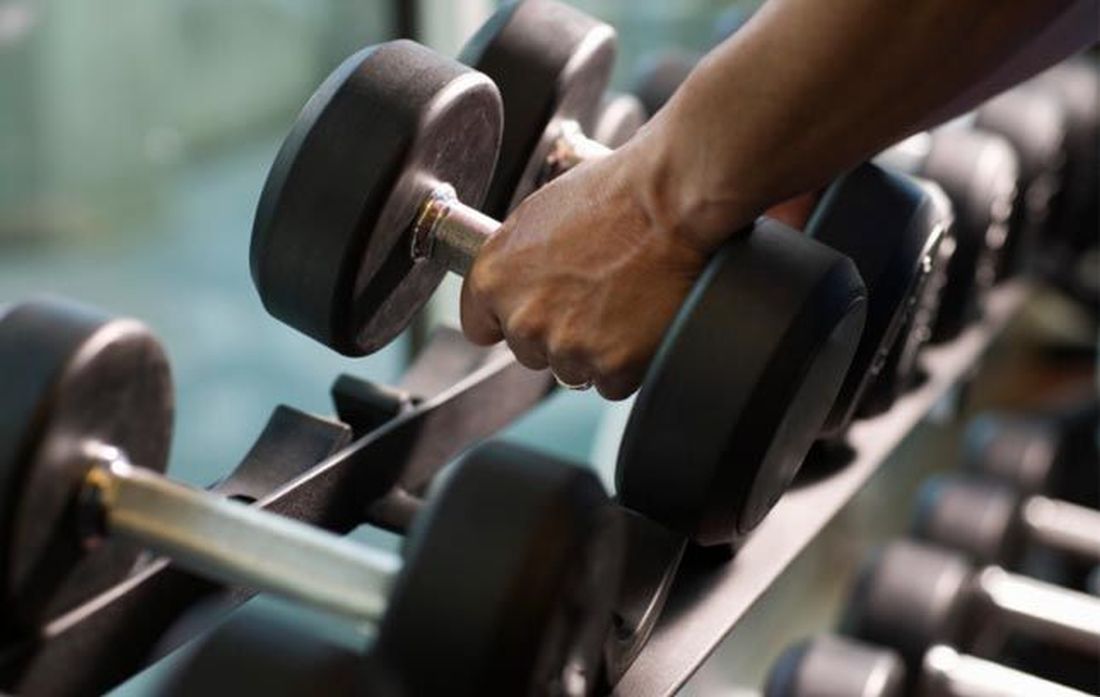
DUBAI: Regular strength training, especially lifting weights two to three times a week, could do more than just tone your muscles — it might actually slow the ageing process. Recent findings highlight that resistance training can positively impact biological age, which reflects how well your cells and tissues function, regardless of your actual age in years.
Engaging in just 20–30 minutes of strength training a few times a week leads to a range of health benefits. These include improved blood circulation, better respiratory performance, and more efficient energy production. During these sessions, increased oxygen flow and nutrient delivery boost muscle function and stimulate organ health.
At a deeper level, resistance training prompts the body to repair and regenerate its cells. This means old or damaged cells are replaced with healthier ones, reducing signs of wear and tear and promoting longevity. Experts believe this process supports a more youthful body by lowering the biological age of vital systems and tissues.
Moreover, strength training regulates stress levels, boosts mood through the release of endorphins, and supports faster recovery. Hormonal responses triggered by lifting weights also play a vital role in protecting cells from premature ageing.
In essence, a consistent routine of lifting weights — even as little as three times a week — acts like an anti-ageing treatment from within. The benefits go beyond physical strength, offering a tangible path to maintaining youthful vitality and long-term health.
This article is contributed by Dr. Amir Firouzjaei, Chinese Medicine Practitioner, Wellth