
TIANJIN: In a world-first breakthrough, scientists in China have successfully reversed type 1 diabetes in a 25-year-old woman using stem cell therapy derived from her own fat cells. The trial, which is currently ongoing, marks a significant step towards finding a lasting cure for millions of people affected by the autoimmune disease globally.
The medical team, led by Professor Deng Hongkui at Peking University, reprogrammed fat cells from the patient into insulin-producing islet cells. Approximately 1.5 million of these lab-grown cells were then transplanted into her abdominal cavity. In just 75 days, the cells began producing insulin naturally, and she has remained insulin-free for over a year.
This therapy eliminates the need for insulin injections and avoids the risks associated with immune rejection, as the cells originate from the patient’s own body. The patient was already on immunosuppressants due to a previous liver transplant, further aiding the success of the treatment.
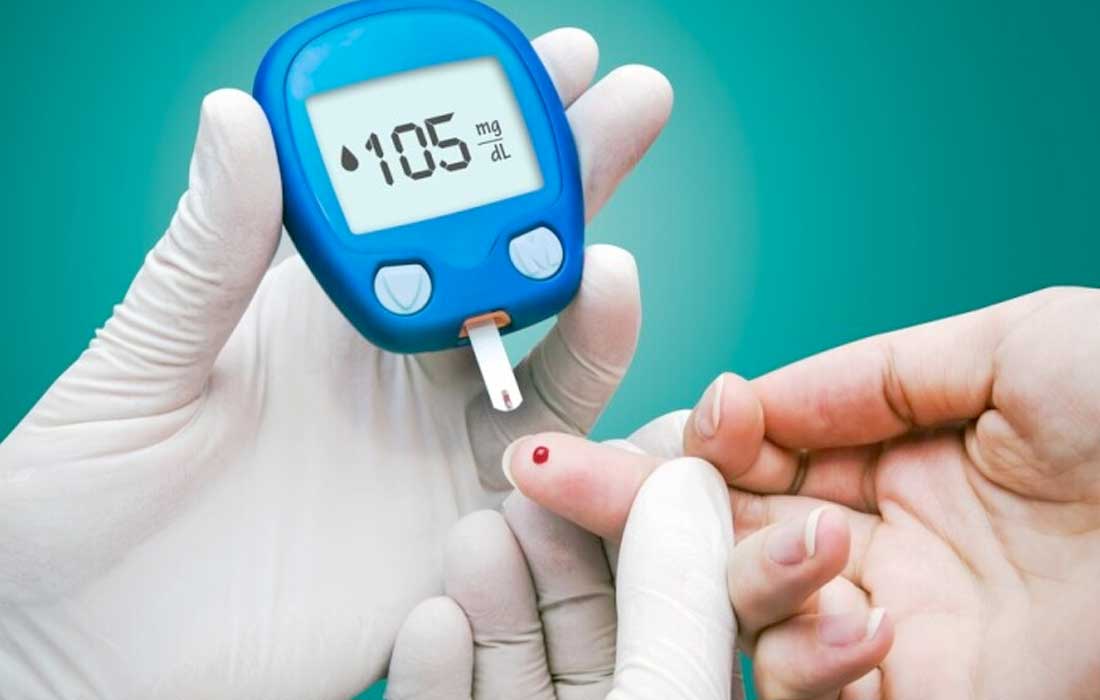
The scientific community has responded with excitement and cautious optimism. Experts highlight the therapy’s promise but also stress that longer-term studies are needed to determine its lasting effectiveness. According to the research team, the woman’s blood sugar levels have stabilised, with her glucose levels falling within normal ranges and her HbA1c improving dramatically.
Two other participants in the trial are also reported to be doing well, with more testing underway. If proven safe and scalable, this therapy could become a game-changer in the treatment of type 1 diabetes, which currently requires lifelong management through insulin injections or complex transplants.
The global impact could be massive. With over 8.7 million people worldwide living with type 1 diabetes, this stem cell approach offers hope for a future where the disease can be managed — or even cured — permanently.