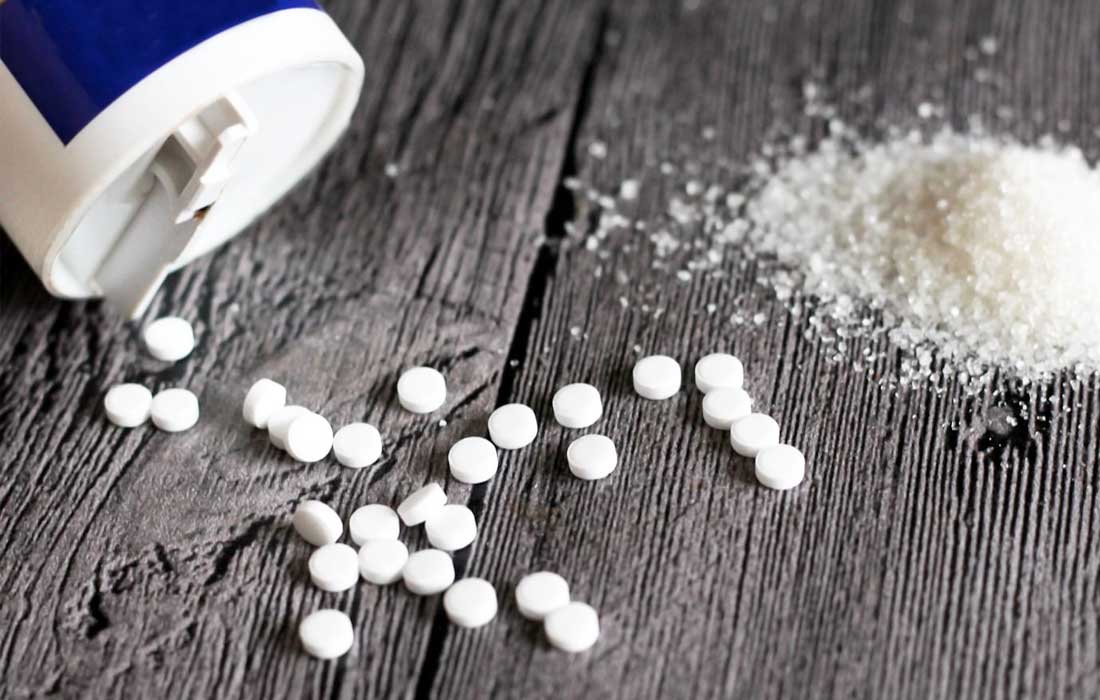

PITTSBURGH: A new scientific study has raised concerns about the widely used artificial sweetener sucralose, suggesting it may impair the effectiveness of cancer immunotherapy in patients with melanoma and non-small cell lung cancer.
Conducted by researchers at the University of Pittsburgh and the UPMC Hillman Cancer Centre, the study revealed that patients who consumed high levels of sucralose had poorer responses to immunotherapy and lower survival rates compared to those with lower intake. The findings were published in Cancer Discovery, a journal by the American Association for Cancer Research.
Using mouse models, scientists found that sucralose altered the composition of the gut microbiome, boosting bacteria that degrade arginine — an amino acid vital for T cell function. This reduction in arginine impaired the ability of immune checkpoint inhibitors like anti-PD1 to work effectively, leading to tumour growth and reduced survival rates.
“When arginine levels were depleted due to sucralose-driven shifts in the microbiome, T cells couldn’t function properly,” explained Dr. Abby Overacre, lead author of the study. “As a result, immunotherapy wasn’t as effective in mice that were fed sucralose.”
To counter the negative effects, the researchers supplemented mice with either arginine or citrulline, which is converted into arginine in the body. These supplements restored the efficacy of the cancer treatment, suggesting a potential approach for future clinical trials.
To validate the findings in humans, the team analysed dietary habits of 132 patients undergoing immunotherapy, noting that frequent sucralose consumption was associated with lower treatment effectiveness across various cancer stages and types.
“These observations raise the possibility of designing prebiotics, such as targeted nutrient supplementation for patients who consume high levels of sucralose,” said Dr. Diwakar Davar, senior author and associate professor of medicine at Pitt.
The study could lead to new guidelines for cancer patients regarding dietary choices during treatment, particularly those involving artificial sweeteners.