
A UK study found that people who drink less than 1.5 litres of water daily release higher stress hormone levels, linking hydration to stress resilience.
LIVERPOOL: A new study from Liverpool John Moores University has revealed that not drinking enough water could increase the body’s biological response to stress. Researchers found that people with lower fluid intake released higher levels of the stress hormone cortisol, even though they did not report feeling thirstier than those who drank more.
The study examined 32 participants, dividing them into two groups. One group drank less than 1.5 litres of water per day, while the other group met the European Food Safety Authority (EFSA) recommended daily intake — 2.5 litres for men and 2 litres for women. Stress levels were then assessed through biological markers.
The findings show that inadequate hydration amplifies the release of cortisol during stressful situations, suggesting that water plays a critical role in regulating the body’s stress response. Experts say that while drinking water cannot eliminate stress, it may help reduce its physiological impact.
In the UK, the Eatwell Guide advises adults to consume six to eight cups of fluid daily, amounting to around 1.5 to 2 litres. However, requirements can increase in hot climates, during physical activity, recovery from illness, or for those who are pregnant or breastfeeding.
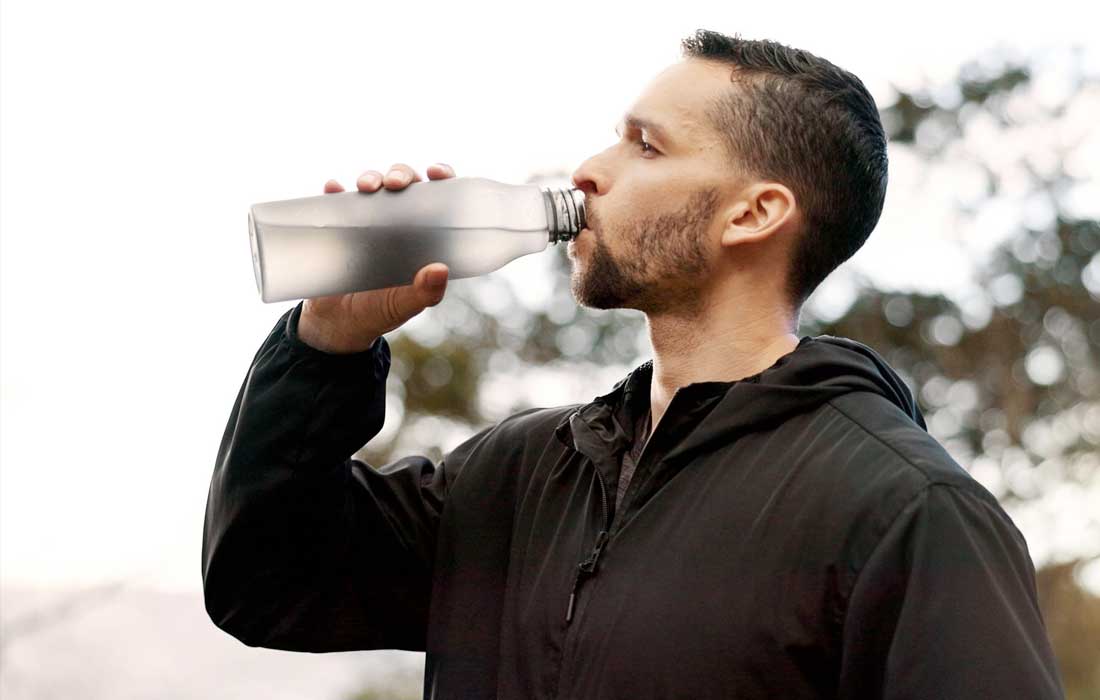
Researchers suggest that simple habits, such as keeping a water bottle nearby during stressful periods, may be beneficial for long-term wellbeing. While the study was small in scale, it adds to growing evidence that hydration supports both mental and physical health.