
At World Congress 2025 in Sharjah, parents shared personal stories urging greater inclusion, recognition, and support for people with complex needs.
SHARJAH: Parents and advocates from across the globe turned personal stories into powerful calls for change at the World Congress 2025 themed “We Are Inclusion”. Held in Sharjah, the event focused on ensuring recognition, meaningful participation, and tailored support for people with intellectual disabilities and high support needs.
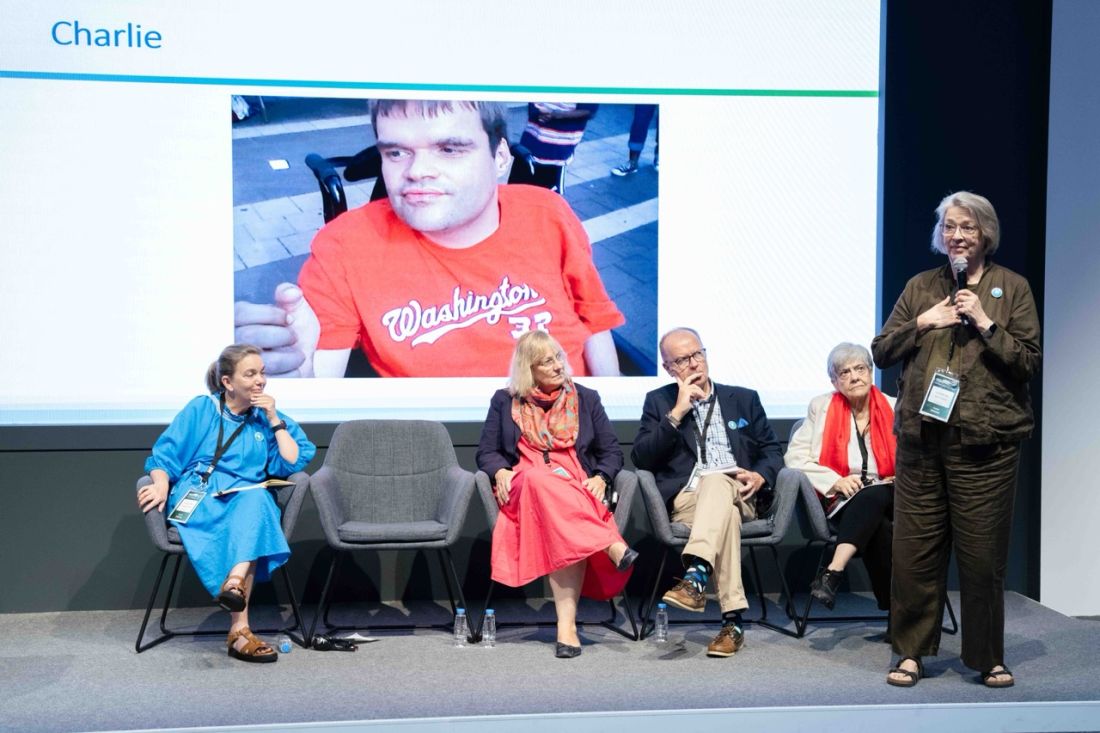
During the session “Not left behind: building inclusive futures for people with intellectual disability who have high support needs and complex communication challenges”, Sue Swenson, President of Inclusion International, spoke movingly about her late son Charlie. “Charlie was often segregated at school, but I remember asking teachers to include him in story time. That small act of inclusion mattered,” she said, stressing that presence and participation must be at the heart of change.
Stephanie Gotlib, Executive Director of Government Relations at All Means All, recounted how inclusion transformed her son Adam’s life. After struggling in a segregated school, a move to mainstream education helped him thrive. “With strong family advocacy and system support, Adam is in a good place. But his story is not typical. We must ensure people with complex needs are heard and included in decision-making.”
Adding perspectives from Europe, Jeanne Nicklas-Faust of Lebenshilfe E.V. shared how her daughter Eva, who has Angelman syndrome, overcame challenges to live independently at 34 despite needing constant support. “Without the voices of families, no one will truly understand or act,” she said.
Other speakers echoed the urgency. Jyrki Pinomaa, father of two sons with multiple disabilities, reminded delegates: “People with intellectual disabilities are individuals with different needs. Even if they cannot express their thoughts in words, they find ways to connect, and we must continue to listen.”
From Latin America, Argentine lawyer Elena Dal Bo described her son Juan’s journey with cerebral palsy and the rejection he faced from schools and society. Juan himself sent a message to the Congress: “Too often we are treated as less than human because we do not communicate in the same way. We are human, and our voices must be heard and included in decision-making.”
The testimonies highlighted that lived experience is not only central to advocacy but also essential in shaping policies that ensure dignity, opportunity, and inclusion for people with high support needs.