
Etihad Airways unveils 2025 growth plans with 21.5 million passengers, 18 new aircraft, and expanded global routes, aiming to double its size by 2030.
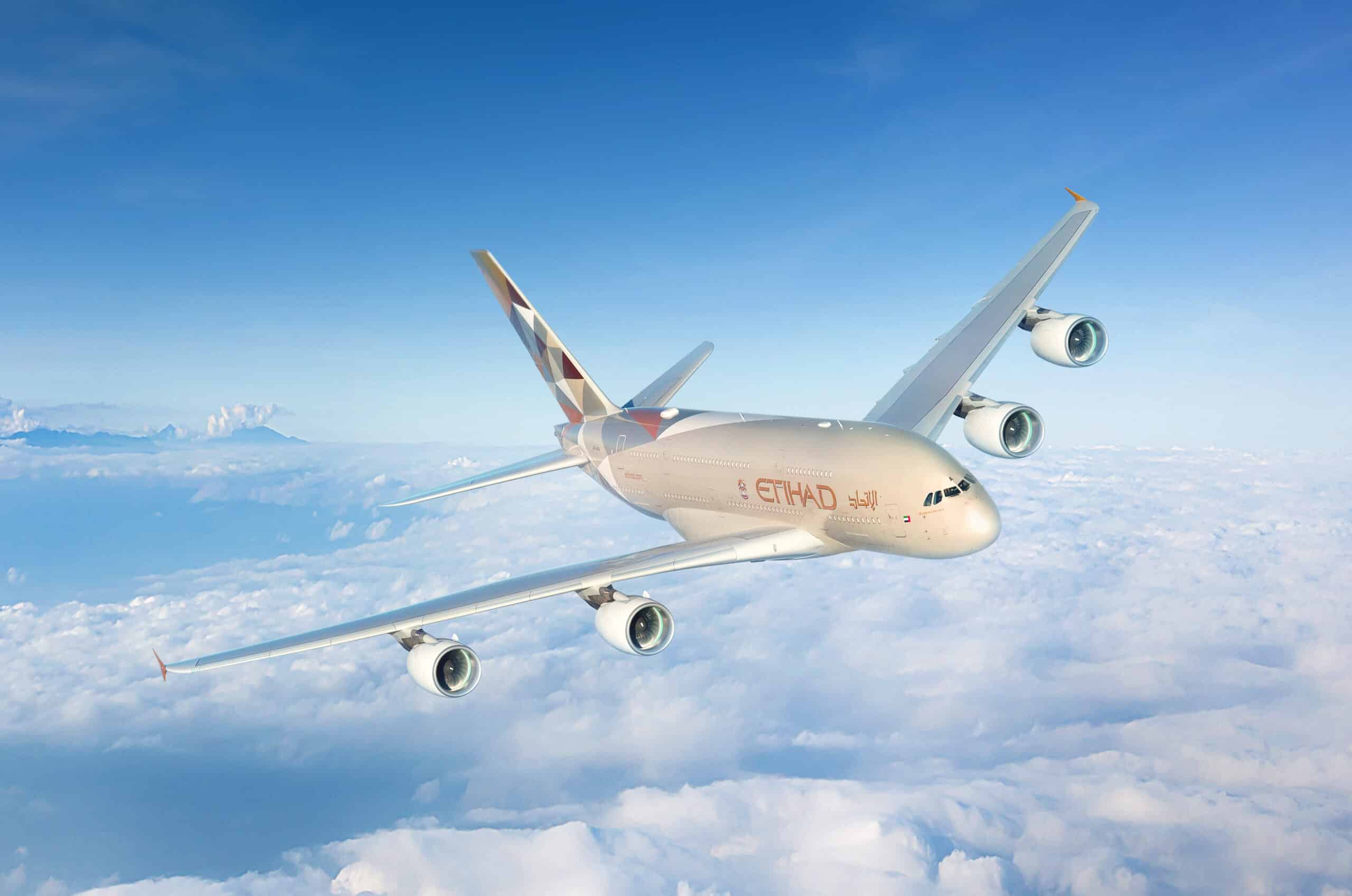
Abu Dhabi: Etihad Airways is set to scale new heights in 2025, targeting 21.5 million passengers and the delivery of 18 new aircraft, according to CEO Antonoaldo Neves. The airline has already added two aircraft, with 16 more expected, pushing its fleet to between 115 and 120 by year-end.
Neves highlighted that the airline’s performance has steadily improved—achieving financial break-even in 2022 and a projected profit margin of up to 8 percent this year. Etihad is funding this expansion through internal cash flows, ensuring financial sustainability.
With close to 100 destinations in its global network, Etihad is doubling down on both new routes and increased frequencies. Notably, New York now sees two daily flights (up from one), and Bangkok five during peak periods. Two-thirds of capacity growth is being allocated to existing routes to reinforce market strength.
Strategically, Etihad’s 2030 roadmap prioritises growth within a four-hour flight radius—covering India, Pakistan, and the Middle East. Key cities like Riyadh, Mumbai, and Colombo already receive up to four daily flights. The goal is to operate at least two daily flights across Southeast Asia, Europe, and the eastern U.S.
A standout development is the arrival of the first A321 Long Range aircraft this week, featuring a luxury first-class cabin—a first for narrow-body jets. Etihad calls it “the world’s best narrow-body experience.”
Neves confirmed that Zayed International Airport is well-equipped to support fleet expansion to 200 aircraft and serve up to 39 million passengers by 2030. He credited Abu Dhabi’s fast-paced development, including tourism and infrastructure growth, for fuelling travel demand.
Prepared for delivery delays, Etihad has reintroduced seven A380s and leased additional aircraft to stay agile and responsive in its quest to become the airline of choice worldwide.