
The 2025 Kearney Global Cities Report shows Gulf cities like Dubai, Riyadh, and Manama climbing global rankings, driven by innovation, infrastructure, and digital readiness.
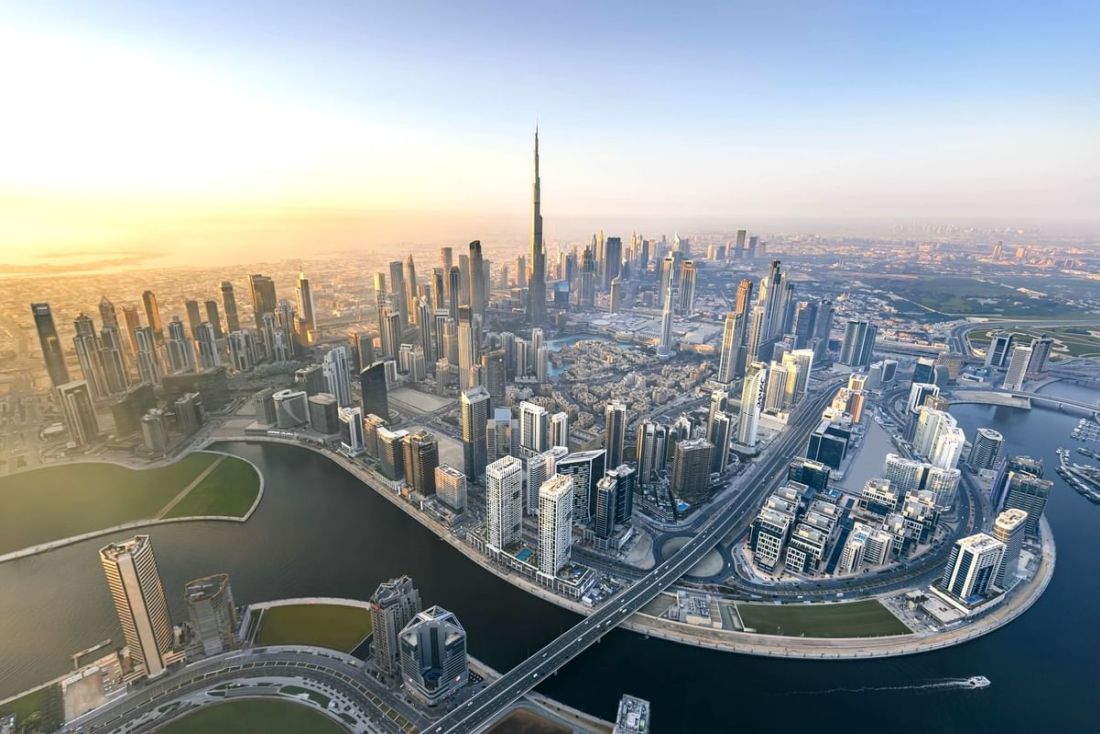
DUBAI: Gulf cities are making bold moves on the global stage, with the 2025 Kearney Global Cities Report confirming their rapid rise in international competitiveness, innovation, and urban livability. Cities such as Dubai, Riyadh, and Manama posted some of the highest gains in the Global Cities Index and Outlook, underscoring the region’s transformation into a global urban powerhouse.
Dubai led the MENA region, securing 23rd place globally in the Global Cities Index (GCI). The Index evaluates cities based on business activity, human capital, information exchange, cultural experience, and political engagement — all areas where Dubai continues to shine. Riyadh climbed eight places to 56th, while Manama jumped ten places to reach 125th, signalling increasing strength in economic momentum and infrastructure connectivity.
“Cities today are being reshaped by their ability to attract talent, build trust in digital ecosystems, and create environments that support resilience,” said Rudolph Lohmeyer, Senior Partner at Kearney. “The Gulf’s upward trajectory proves that cities can change their global standing in just a few years through systemic investment.”
While traditional global leaders like New York, London, Paris, and Singapore retained their top spots, Kearney noted new dynamics in urban competitiveness — particularly in Asia and the Middle East — as emerging hubs like Almaty, Jakarta, and Taipei climbed the rankings.
In the Global Cities Outlook (GCO) — Kearney’s forward-looking evaluation — the story was equally promising for Gulf cities. Dubai, Riyadh, Dammam, Medina, Makkah, Doha, and Manama all showed strong upward movement, bolstered by sustained efforts in public well-being, economic diversification, innovation, and effective governance.
The report highlighted three pillars for future urban success: expanding energy capacity, embedding environmental resilience, and preparing workforces for AI integration. Gulf cities, the report concluded, are among the most proactive in aligning with these imperatives.
“Gulf cities continue to translate long-term transformation agendas into measurable progress,” said Brenna Buckstaff, Principal at Kearney Foresight. “Their rise reflects sustained investment in talent, infrastructure, and innovation — foundations for global competitiveness in the intelligence age.”