
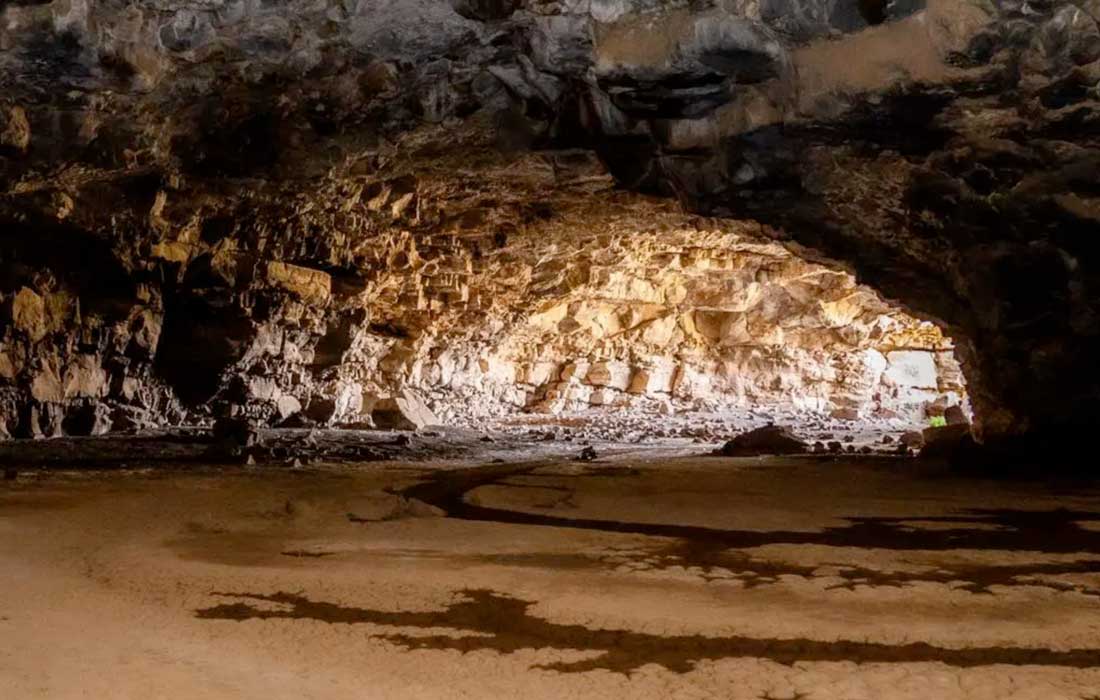

Saudi Arabia reveals archaeological finds at Masyoun and Umm Jirsan, dating back up to 11,000 years, reshaping early human settlement history.
TABUK: Saudi Arabia has announced the discovery of two significant prehistoric human settlements, dating back as far as 11,000 years, highlighting the Kingdom’s deep-rooted heritage and expanding the global narrative of early civilisation on the Arabian Peninsula.
At the Masyoun site near Tabuk, archaeologists uncovered semi-circular stone structures, fire pits, and tools from the Pre-Pottery Neolithic period, indicating that the area was home to one of the earliest settled communities in the region. Excavations, led by Saudi Arabia’s Heritage Commission in collaboration with Japan’s Kanazawa University and NEOM, confirmed habitation between 11,000 and 10,300 years ago.
Items discovered included arrowheads, grinding stones, and decorative pieces made from quartz, shells, and amazonite — evidence of craftsmanship and subsistence-based lifestyles. This marks the oldest documented settlement in the Arabian Peninsula, adding a new chapter to the human migration story.
Meanwhile, a second major find at Umm Jirsan, north of Madinah, revealed habitation dating back 7,000 to 10,000 years. The site, which is the longest lava tube in the region at 1,350 metres, yielded human skulls, tools, organic materials, and rock art. Researchers from King Saud University, Max Planck Institute, and the Saudi Geological Survey identified artefacts suggesting a Neolithic community that engaged in herding and hunting.
These discoveries are part of Saudi Arabia’s broader mission under Vision 2030 to transform the Kingdom into a global hub for culture, history, and tourism. Prince Bader bin Abdullah bin Farhan, Minister of Culture, affirmed the commitment to further archaeological exploration to better understand human history in the region.