

Russia Ukraine escalation grows as drone attacks, airstrikes, and nuclear plant threats raise regional and global safety concerns.
Moscow/Kiev: The latest Russia Ukraine escalation has seen a sharp rise in aerial attacks and military engagements, escalating tensions across the region. According to Russia’s defence ministry, 93 Ukrainian drones were intercepted overnight, with 60 downed over the Black Sea. The surge in drone warfare highlights Ukraine’s continued long-range targeting strategy, echoed in President Zelensky’s latest statement: “Ukraine’s long-range operations on Russian territory will continue. As Russia prolongs the war, it will face just responses.”
One of the most serious incidents involved a Ukrainian drone strike on an oil depot in Sochi, setting fire to a 2,000-cubic-metre fuel tank. Over 120 firefighters were deployed to contain the blaze, according to regional authorities.
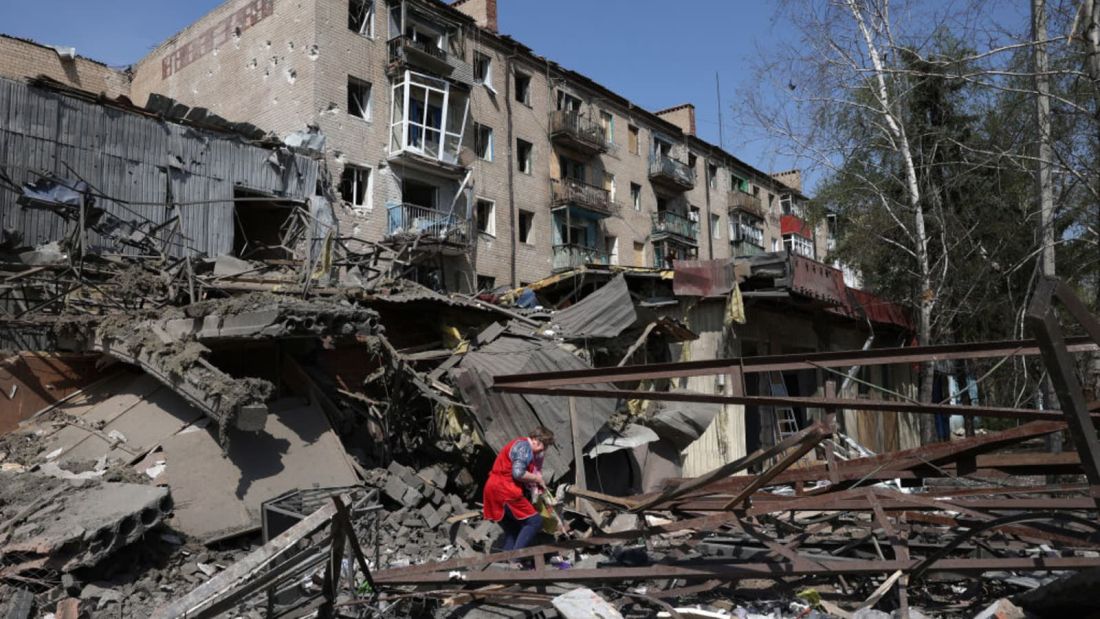
In retaliation, Russian airstrikes struck Kharkiv’s Chuhuiv and Balakliia overnight. The attacks damaged homes and caused stress-related injuries among civilians. Chuhuiv Mayor Galina Minaeva confirmed: “Private houses caught fire… three women have suffered acute stress reactions.”
Adding to safety concerns, the International Atomic Energy Agency (IAEA) reported explosions near the Zaporizhzhia Nuclear Power Plant (ZNPP). IAEA Director General Rafael Mariano Grossi confirmed artillery and drone fire hit an auxiliary facility just 1,200 metres from the main site. “Any attack near a nuclear power plant… poses a potential threat to nuclear safety and must be avoided,” he warned.
On the ground, 104 combat engagements were reported, with 28 in the Pokrovsk sector alone, according to Ukraine’s General Staff.
The rising scale of offensive tactics on both sides—especially near critical energy and civilian infrastructure—marks a deeply concerning phase in the conflict. The Russia Ukraine escalation now carries not just military consequences, but growing environmental and nuclear risks.