
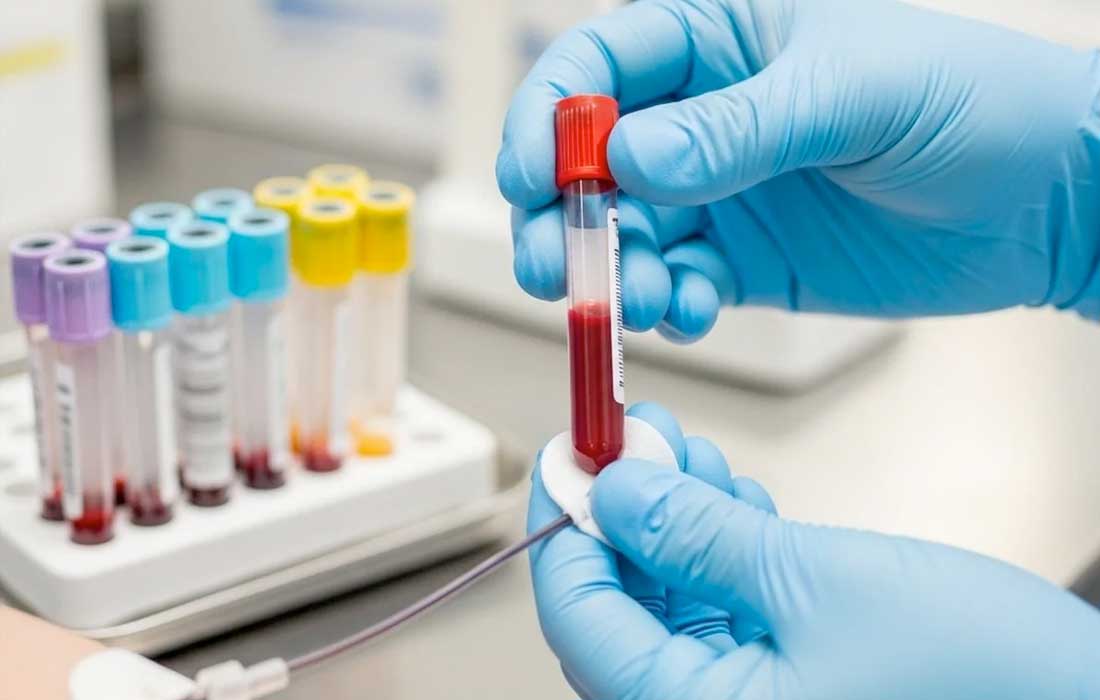

MUMBAI: In a groundbreaking medical revelation, a woman from India has been found to carry a previously unidentified blood group, now officially named CRIB. The discovery has not only rewritten medical understanding of blood classification but also positioned India at the forefront of rare blood research.
Initially typed as O+, the woman’s blood was expected to match readily available donor samples. However, ahead of a routine surgery, all compatible matches were mysteriously rejected by her immune system, prompting a wave of confusion among doctors. Over several months, specialists conducted extensive serological tests to unravel the mystery.
Their investigation led to the identification of a previously unknown antigen that rendered her blood unique. The CRIB blood group is now being studied globally and could redefine compatibility protocols in transfusion medicine.
Medical experts suggest the discovery could hold enormous implications for organ transplants, rare blood inventories, and emergency trauma care, especially in regions with high genetic diversity. The woman, whose identity remains private, is said to be in good health post-surgery.
Scientists and haematologists across India are now collaborating with international bodies to further study the CRIB antigen and its potential global impact. The breakthrough comes as a significant achievement in India’s medical research landscape and is being hailed as a medical milestone.