
At a GCC ministerial meeting, the UAE urged a balanced AI vision in religious affairs to align innovation with values and spiritual guidance.
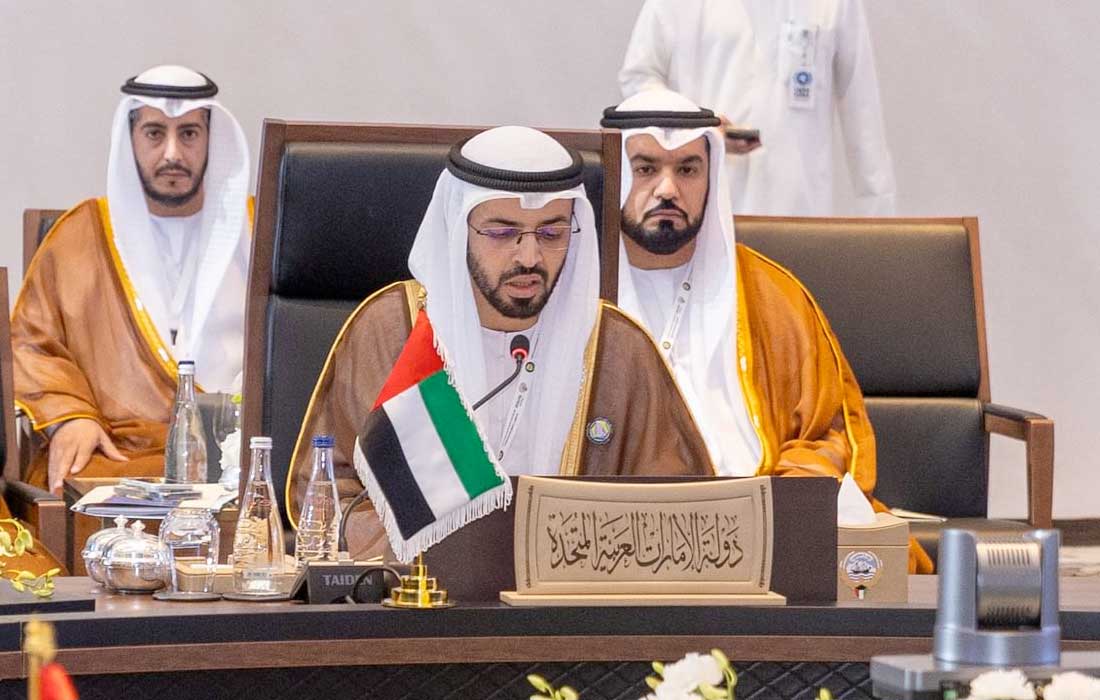
KUWAIT CITY: The UAE has called for a balanced AI vision in religious and spiritual governance, highlighting the need to harness modern technologies like artificial intelligence in a way that serves humanity, strengthens values, and enhances coexistence. This message was delivered by Dr. Omar Habtour Al Darei, Chairman of the General Authority for Islamic Affairs, Endowments, and Zakat, during the 11th GCC Ministerial Meeting of Officials Responsible for Islamic Affairs held in Kuwait.
Dr. Al Darei showcased the UAE’s proactive and innovative approach, including initiatives such as integrating AI into mosque management and religious sermons. He highlighted the UAE’s Unified Sermon initiative, originally launched by the late Sheikh Zayed bin Sultan Al Nahyan, as a foundation for unified, moderate, and inclusive religious discourse.
He also stressed the importance of preparing qualified religious professionals through structured educational systems, and the UAE’s legislative framework that governs religious affairs while promoting tolerance and coexistence. According to Dr. Al Darei, the responsible adoption of AI can support these efforts, ensuring that technological progress complements rather than conflicts with ethical and spiritual principles.
The meeting also tackled key issues facing Gulf societies, such as family challenges, generational shifts, moral guidance, environmental protection, and intellectual security. A shared emphasis was placed on aligning AI advancements with faith-based and cultural values that reflect the diverse societies within the GCC.
The UAE delegation’s call reflects a growing recognition in the region that technology must serve human dignity and reinforce social harmony. By promoting a balanced AI vision, the UAE is positioning itself as a model of integrating innovation within cultural and religious frameworks.