The UAE has become the first GCC nation to join INTERPOL’s Steering Committee on Chemical Security and Emerging Threats. This UAE INTERPOL chemical security role boosts global cooperation against chemical risks.
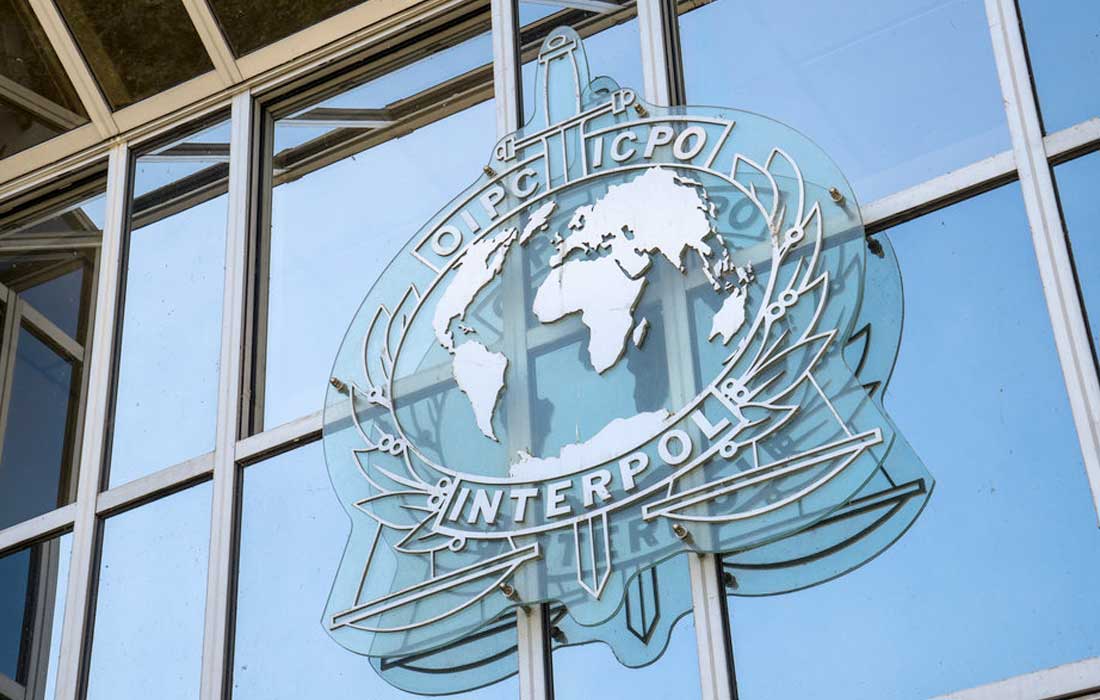
ABU DHABI: The UAE has officially joined the INTERPOL Global Congress on Chemical Security and Emerging Threats Steering Committee, becoming the first GCC nation to secure a seat on the influential international panel. The move, spearheaded by the Ministry of Interior, affirms the UAE’s growing role in supporting global safety, security, and stability initiatives.
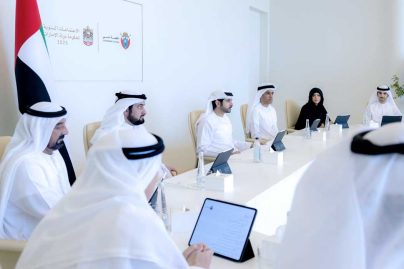
The two-day Steering Committee meeting was held in Abu Dhabi, hosted by the Ministry of Interior, and featured participation from over 2,000 international experts and global agencies. This high-level committee, established in 2022, plays a pivotal role in setting the direction and priorities of INTERPOL’s global efforts to prevent and combat chemical threats, including chemical terrorism and misuse of hazardous substances.
As a newly appointed member, the UAE gains a strategic role in shaping global chemical security policy and driving operational initiatives. Brigadier Saeed Abdullah Al Suwaidi, Assistant Undersecretary for Security Affairs, welcomed international delegations, highlighting the nation’s ongoing commitment to collective action and international cooperation.
Brigadier Abdulrahman Al Mansoori, Commander of the Special Security Forces and the UAE’s representative to the committee, said this step reflects the country’s dedication to advancing international peace, knowledge-sharing, and counter-terrorism efforts. “The UAE’s membership is an extension of its long-standing contribution to global security systems,” he noted.
The UAE INTERPOL chemical security participation was praised by global delegates, including representatives from Global Affairs Canada, the U.S. Defense Threat Reduction Agency (DTRA), and other key stakeholders. The meeting also reviewed proposals for the 2026 Global Congress, planned chemical emergency exercises in Brazil, and ways to integrate AI and advanced technologies in chemical threat detection and response.
Discussions included how developing nations can strengthen defences despite limited access to high-end technologies, and how governments, law enforcement, and the private sector can align to prevent malicious use of chemicals. The UAE’s presence at the table reinforces its leadership in this vital global field.