
ABU DHABI: The UAE has reaffirmed its steadfast commitment to the protection and expansion of mangrove ecosystems, marking the International Day for the Conservation of the Mangrove Ecosystem with a renewed global vision. Dr. Amna bint Abdullah Al Dahak, Minister of Climate Change and Environment, highlighted the nation’s progressive strides in safeguarding one of the world’s most vital yet vulnerable ecosystems.
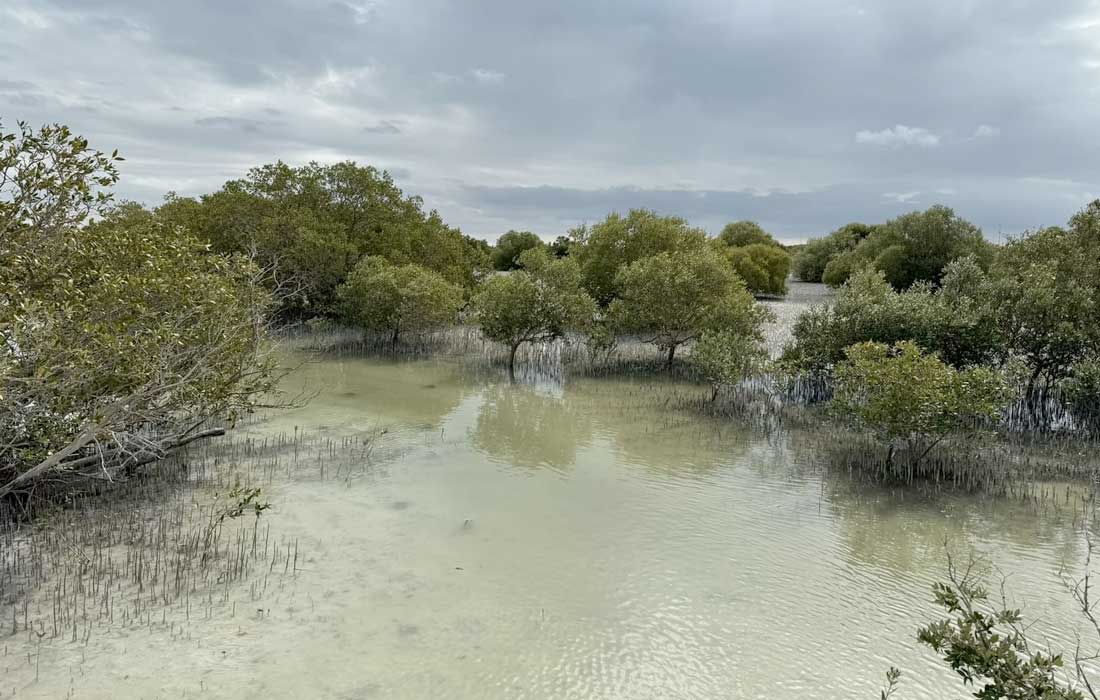
“Mangroves are our coastal guardians—natural shields against rising seas and powerful carbon sinks,” Dr Al Dahak stated. She praised their vital role in climate mitigation, biodiversity support, and ecological balance. “These habitats store up to four times more carbon than tropical forests and offer refuge to countless marine species,” she noted.
The UAE’s national goal aligns with the Biodiversity Strategy 2031 and includes the ambitious target of planting 100 million mangroves by 2030. The initiative draws on wide-scale collaboration, uniting public and private sectors in a shared mission towards environmental preservation and climate action.
Furthering its international outreach, the UAE co-founded the Mangrove Alliance for Climate (MAC), which now has 45 global members. Through this platform, the UAE endorsed the Mangrove Breakthrough, an initiative mobilising financial support for restoration and calling for urgent global action.
Dr Al Dahak also highlighted international efforts, including the upcoming IUCN World Conservation Congress, scheduled for October in Abu Dhabi, which she described as “a vital opportunity to champion ecological resilience and promote sustainable environmental solutions.”
Another key milestone is the launch of the Mohamed bin Zayed–Joko Widodo International Mangrove Research Centre in Bali—designed to strengthen global mangrove research and preservation.
As the UAE forges ahead with its Net Zero by 2050 target, mangroves are recognised as cornerstone assets. Dr Al Dahak concluded by urging citizens and global partners alike to act decisively: “We must protect these ecosystems and reverse their decline—for their vitality is intrinsically tied to our own.”