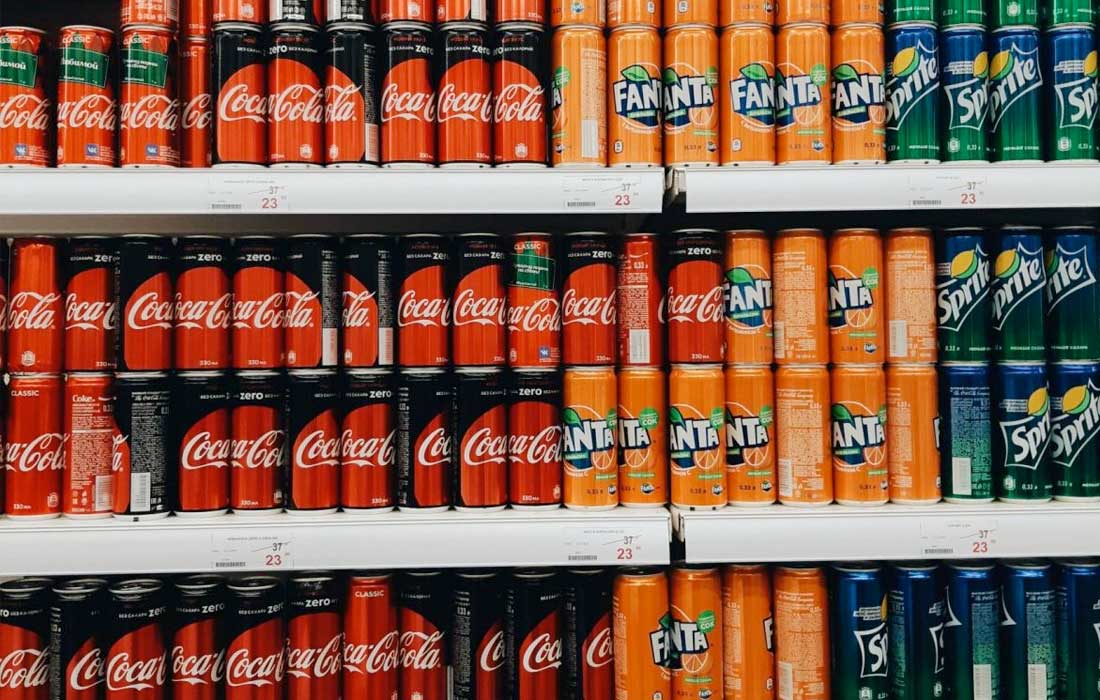

ABU DHABI: The UAE has announced a major change to its taxation system for sweetened beverages, introducing a sugar-based tiered structure that will take effect from January 2026. Unlike the current flat excise rate on sweetened drinks, the new policy will vary the tax percentage based on the sugar content per 100 millilitres of beverage. This strategic move is aimed at encouraging consumers to make healthier choices while also pushing manufacturers to reformulate their products to reduce sugar levels.
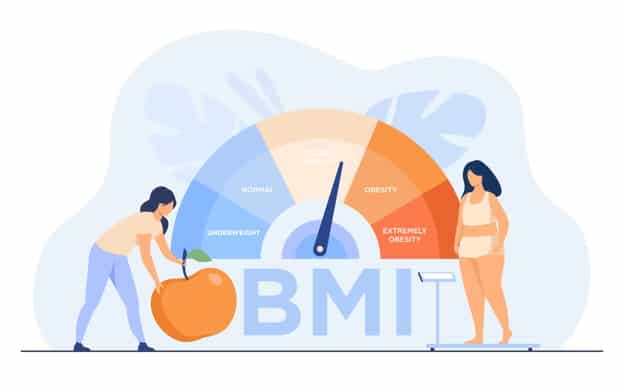
Drinks with a higher concentration of sugar will be taxed at a steeper rate, while those with less sugar will fall into a lower tax bracket. The Federal Tax Authority stated that the new structure is designed to combat rising health issues such as obesity, type 2 diabetes, and heart disease, which have been linked to excessive sugar consumption. The UAE Ministry of Health and Prevention supports the initiative as part of a broader public health agenda.
The government has allowed ample time for producers, importers, and retailers to prepare for the shift. Businesses have been urged to begin reformulating products and updating point-of-sale systems to reflect the upcoming changes. Officials have confirmed that awareness campaigns will be launched to educate the public and industry stakeholders about the benefits and implementation of the new sugar tax.
The UAE sugar drink tax adjustment aligns with the nation’s commitment to sustainable development and regional policy harmonisation, particularly within the Gulf Cooperation Council. It also mirrors global trends where governments are using fiscal tools to drive behavioural change and reduce the burden on healthcare systems.
By targeting sugar content rather than volume or type of drink, the UAE hopes to create a more impactful public health policy that directly addresses dietary habits. It’s a significant step towards a healthier society and a more responsible food and beverage industry.