
UAE tourism industry in 2025 shows record growth, driven by high-spending travellers, digital advertising, and personalization.
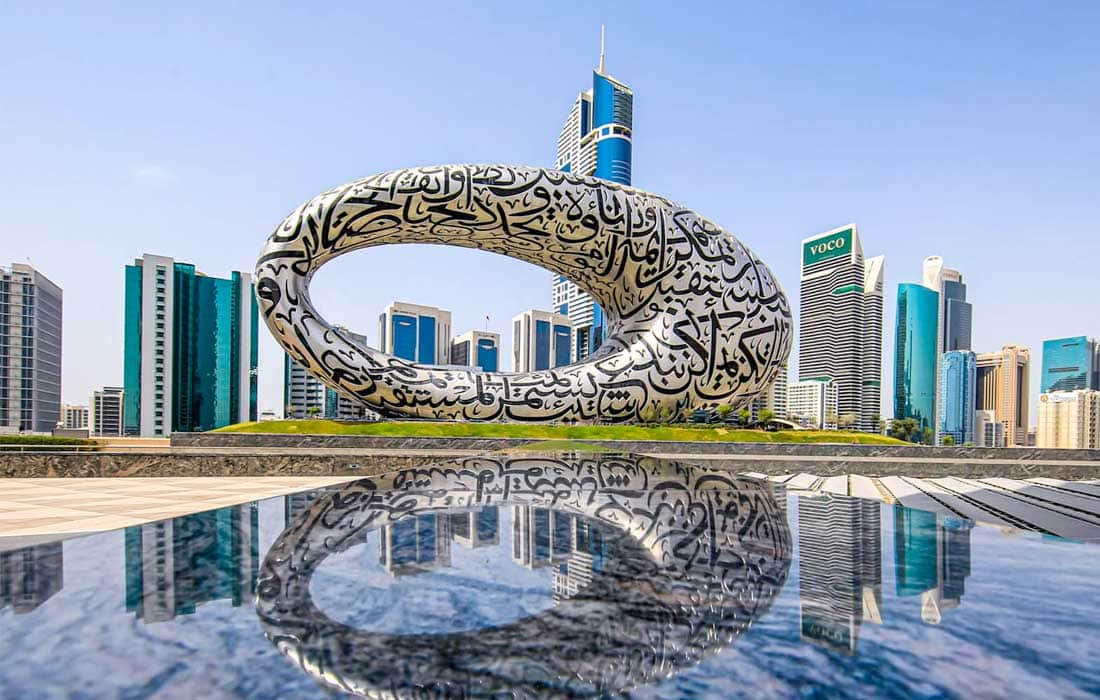
DUBAI: The UAE’s tourism industry continues to rise sharply in 2025, cementing the nation’s place as one of the world’s most attractive travel destinations. According to Yango Ads, the Ad Tech division of Yango Group, a surge in visitor arrivals and a shift towards premium, experience-driven travel are reshaping traveller expectations — prompting brands to rethink their digital engagement strategies.
Tourism remains a core contributor to the UAE economy, generating AED236 billion or 12% of the national GDP in 2024. Dubai alone recorded 9.88 million overnight visitors in the first half of 2025, setting the stage for a potentially record-breaking year. Government-led initiatives such as Etihad Rail, visa reforms, and the aggressive “Visit Dubai” campaigns are strategically aligned with the UAE’s long-term economic diversification goals, attracting global, regional, and emerging market travellers alike.
Malika Kennedy, Chief Business Development Officer at Yango Ads MEA, stated, “The UAE’s tourism industry is in a transformative phase. Travellers globally are more discerning and expect seamless experiences across all touchpoints. Brands need to go beyond seasonal campaigns and adopt smart, intent-driven strategies powered by AI and data.”
Yango Ads’ recently released 2025 Tourism Industry Guide highlights a clear evolution in travel planning and booking behaviour. High-intent travellers now spend longer browsing, comparing, and looking for personalised content. Solo travel among younger audiences is on the rise, and Eid, summer holidays, and the year-end festive period remain peak travel seasons. While GCC residents prefer winter getaways, travellers from emerging markets lean towards summer holidays.
Signals such as increased travel app activity, content engagement, and frequent online searches are now key indicators of travel intent. With almost half of emerging market travellers willing to spend over $2,000 per trip and favouring four- or five-star hotels, travel brands must engage users across all stages of the customer journey — from pre-trip inspiration to post-trip loyalty campaigns.
As digital engagement scales, UAE advertising spend is forecasted to hit $1.22 billion in 2025. Programmatic advertising, geo-targeting, and reliance on super apps are dominating strategy, with almost half of travellers influenced by targeted ad campaigns. Search engines (41.7%), Telegram Ads (21%), and social media (20%) remain significant engagement tools.
Yango Ads’ GCC tourism campaign showcases the power of this approach, achieving a 13% boost in bookings on aggregator platforms via a seven-day attribution window. The company also developed a customised itinerary platform that used quizzes and behavioural data to offer tailored hotel and activity suggestions — further increasing brand visibility and conversions.
Planning timelines remain crucial. Brands targeting festive campaigns must begin 5–12 months in advance, while regional campaigns can succeed with a 1–3 month runway. For key markets like the US, planning often begins a year ahead.
In 2025, India holds its position as the UAE’s top visitor source, followed by Saudi Arabia, which has overtaken the UK for second place. Russia, China, and several emerging economies are steadily contributing to growth, marking a geographic expansion in the visitor base.
As the UAE’s tourism growth trajectory continues, brands that align with evolving traveller expectations through early planning and personalised strategies will stand to gain most. With the help of data-driven partners like Yango Ads, tourism enterprises are increasingly equipped to deliver high-impact, tech-enabled campaigns that resonate with the modern traveller.