
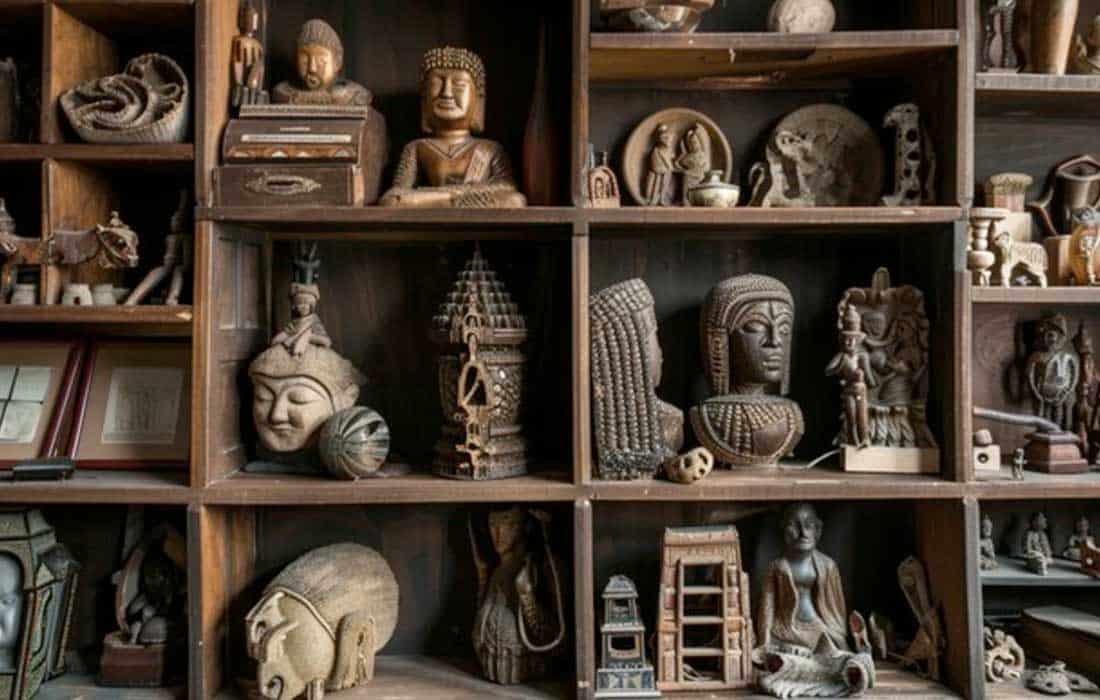

NEW YORK: The UN General Assembly has adopted a landmark resolution to strengthen UN heritage protection by tackling the illicit trafficking of cultural property and supporting the return of stolen artifacts to their home countries. Backed by over 140 nations, the resolution was adopted unanimously.
The resolution highlights the urgent need to combat the illegal trade of cultural property, recognising its role in preserving the identity and traditions of communities worldwide. It stresses that protecting cultural heritage is crucial for enabling communities to practice and safeguard their legacy freely.
With a focus on regions affected by conflict, the resolution acknowledges the link between artifact smuggling, organised crime, and terrorism. To address this, it calls on member states to introduce effective measures to prevent trafficking, train police, customs, and border officials, and strengthen international cooperation.
One of the resolution’s key recommendations is for countries to classify trafficking in cultural property – including looting archaeological sites – as a “serious crime.” It also encourages nations to establish specialised police units dedicated to cultural heritage protection, where such units do not yet exist.
In a bold step forward, UNESCO announced plans to launch a Virtual Museum of Stolen Cultural Objects in 2025. Unlike traditional museums, its aim is to “empty its collections” by showcasing 3D models and images of stolen artifacts, complete with educational content and historical details. Artifacts will be removed from the collection as they are recovered and returned to their rightful owners.
This resolution marks a pivotal moment in UN heritage protection, as it addresses a growing global problem while supporting the recovery of looted treasures and preserving the world’s cultural heritage.