
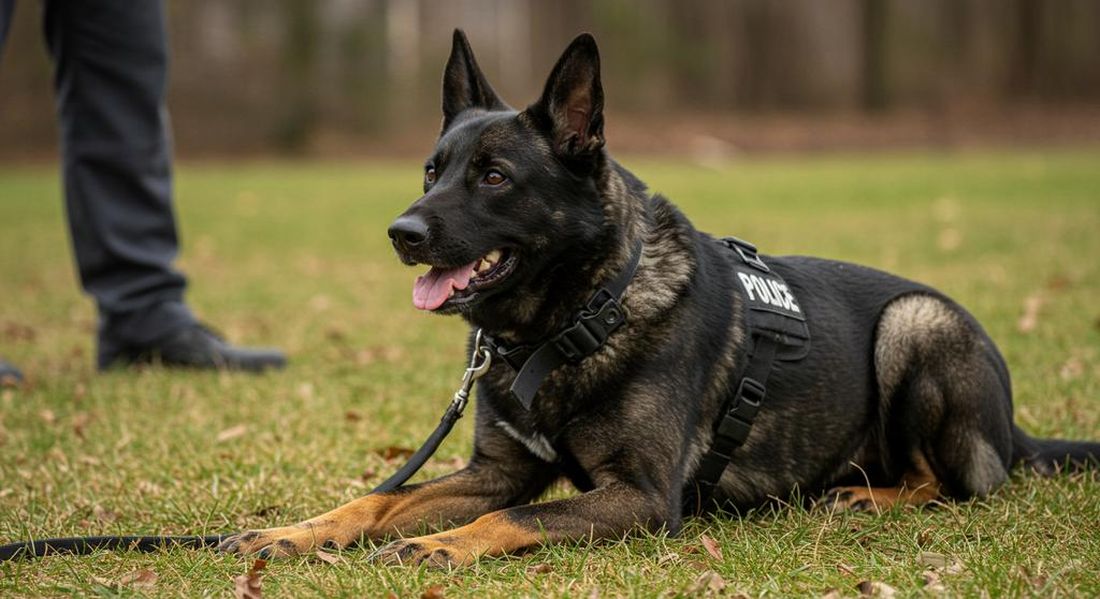

The term “K9” is a phonetic shorthand for “canine” and became globally recognised for trained police and military dogs.
DUBAI: The term K9 is used worldwide as a shorthand for “canine,” referring specifically to trained police and military working dogs. The name originates from its phonetic similarity — the letter “K” and the number “9” sound like the word “canine.” This simple abbreviation became popular for quick communication and official documentation.
The usage of “K9” gained prominence during World War II, particularly with the creation of the U.S. Army’s K-9 Corps, which deployed dogs for tracking, guarding, and detection work. Over time, the term spread internationally, becoming the recognised label for police dog units across many countries.
While “canine” is the general term for dogs, “K9” specifically refers to service dogs trained for law enforcement and military duties. Their responsibilities can include detecting drugs and explosives, locating missing persons, tracking suspects, and protecting officers. Commonly used breeds include the German Shepherd, Belgian Malinois, Bloodhound, Dutch Shepherd, and Labrador Retriever, with the Belgian Malinois now leading in preference due to its agility and focus.
The history of working dogs dates back centuries, with evidence of law enforcement use in medieval Europe and documented cases in 14th-century France. The modern era of police dogs began in Belgium in 1899, when the Ghent police introduced the first organised training programme. Germany followed with advanced breeding and training, favouring the German Shepherd for police work.
Today, K9 units operate globally, with highly trained handlers and dogs working as close partners. The dogs undergo extensive training — often between eight months and a year — to master obedience, tracking, search, and apprehension skills. In many countries, harming a police dog is a criminal offence, reflecting their valued role in public safety.