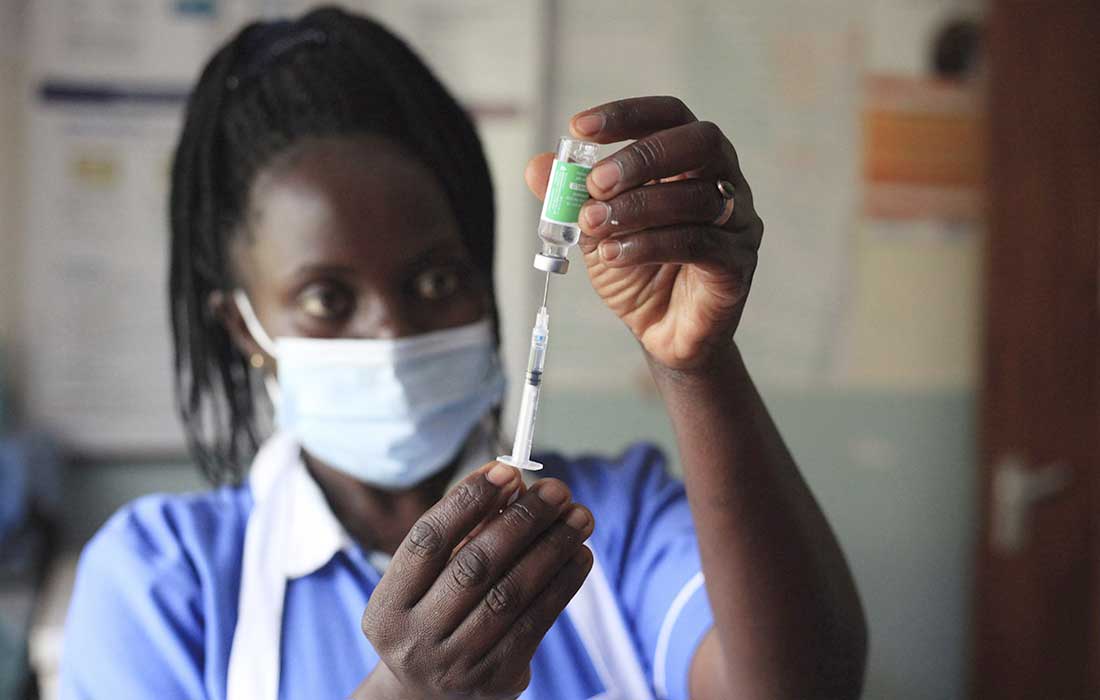

GENEVA: Widespread vaccination efforts across Africa saved 1.8 million lives in 2023, according to the World Health Organisation (WHO), with major improvements seen in immunisation against diseases like measles, polio, and cervical cancer.
Thanks to initiatives led by governments and partners like Gavi, UNICEF and WHO, millions of children have been reached. Over 5 million previously unvaccinated ‘zero-dose’ children received routine vaccines under the “Big Catch-Up” campaign launched in 2023, helping countries strengthen public health systems.
Immunisation coverage has improved despite rising birth rates. In just one year, diphtheria-tetanus-pertussis (DTP3) vaccine coverage increased from 72% to 74% among one-year-olds. Countries including Uganda, Chad, and Malawi reported significant gains.
Girls also saw a boost in protection. HPV vaccine coverage rose from 28% in 2022 to 40% in 2023, giving more girls a fighting chance against cervical cancer. Africa now holds the world’s second-highest rate of HPV vaccine coverage.
The region also made headway against polio, recording a sharp 93% drop in variant poliovirus type 1 cases from 2023 to 2024. These results align with World Immunisation Week and African Vaccination Week, held under the theme Immunisation for All is Humanly Possible.
Despite progress, challenges remain. One in five children is still unvaccinated, with outbreaks of diseases like measles still a threat. Limited healthcare access, misinformation, and funding gaps continue to hinder efforts.
Gavi’s new five-year strategy, Gavi 6.0, aims to reach 50 million children with the malaria vaccine by 2030 and reduce zero-dose rates across the continent. Leaders stress that sustained funding and support are vital to maintain Africa’s immunisation momentum and prevent future disease outbreaks.