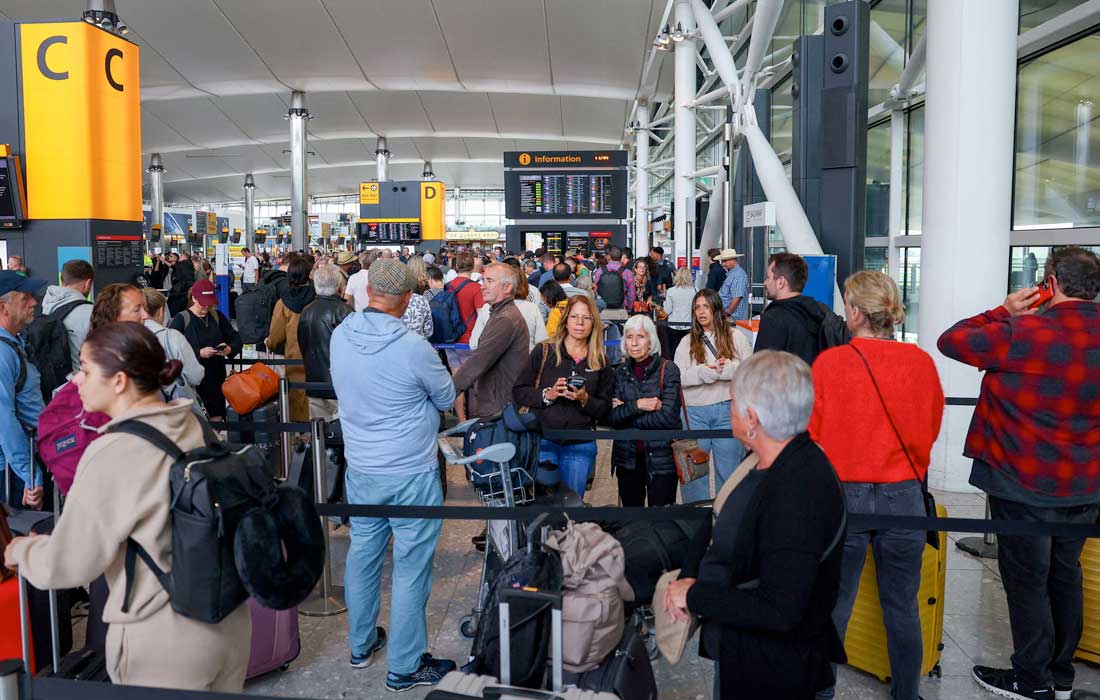

A ransomware attack possibly powered by AI has hit major European airports, disrupting check-in systems and delaying flights across the region.
BRUSSELS: Cybersecurity experts suspect that artificial intelligence played a key role in a ransomware attack that disrupted operations at major airports across Europe, including London Heathrow, Berlin Brandenburg, and Brussels International.
The cyberattack, confirmed by the EU Agency for Cybersecurity (ENISA), targeted Collins Aerospace, a subsidiary of RTX, impacting passenger check-in systems and baggage services since Friday. Though the origin remains unclear, analysts point to the increasing sophistication of attacks possibly enhanced by AI tools.
“Attackers can now launch faster, smarter campaigns that evade detection,” said Christian Perry, CEO of Undetectable AI. “AI can scan for vulnerabilities in minutes and mimic normal user behaviour, making it incredibly difficult to spot.”
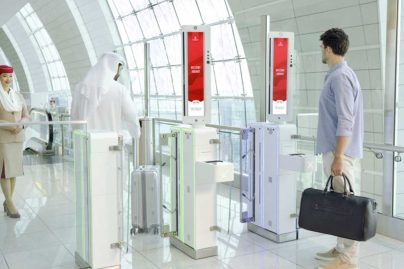
The incident caused widespread travel delays and flight cancellations. Affected airports urged passengers to check their flight status, arrive earlier than usual, and consider online check-in where possible. Brussels Airlines clarified that while airline systems were secure, passenger-facing services had been impacted.
Rafe Pilling, Director of Threat Intelligence at Sophos, noted that ransomware attacks are primarily aimed at data encryption and extortion. However, the use of AI in ransomware attacks signals a growing trend in cybercrime tactics.
Consumer group Testachats reminded affected travellers of their rights: though compensation is not due under EU law for force majeure incidents, airlines must still provide meal vouchers and hotel stays for long delays.
Perry added that AI could also be deployed for defence, helping cybersecurity teams detect threats faster than humans. “This is a wake-up call for all critical sectors — not just aviation.”
As investigations continue, the incident serves as a stark warning of how AI can accelerate both cyberattacks and cybersecurity responses in today’s interconnected world.