
China is leading a massive green transformation, expanding clean energy and new infrastructure under its 14th Five-Year Plan. The China green energy transformation now accounts for one-third of global power production and a major share of its own consumption.
BEIJING: China has entered a new era of green development, fundamentally transforming its energy landscape during the ongoing 14th Five-Year Plan (2021–2025). With more than 10 trillion kilowatt-hours of electricity generated annually, China now contributes a full one-third of the world’s electricity — with nearly one-third of its own power consumption coming from clean sources like wind, solar, and hydropower.
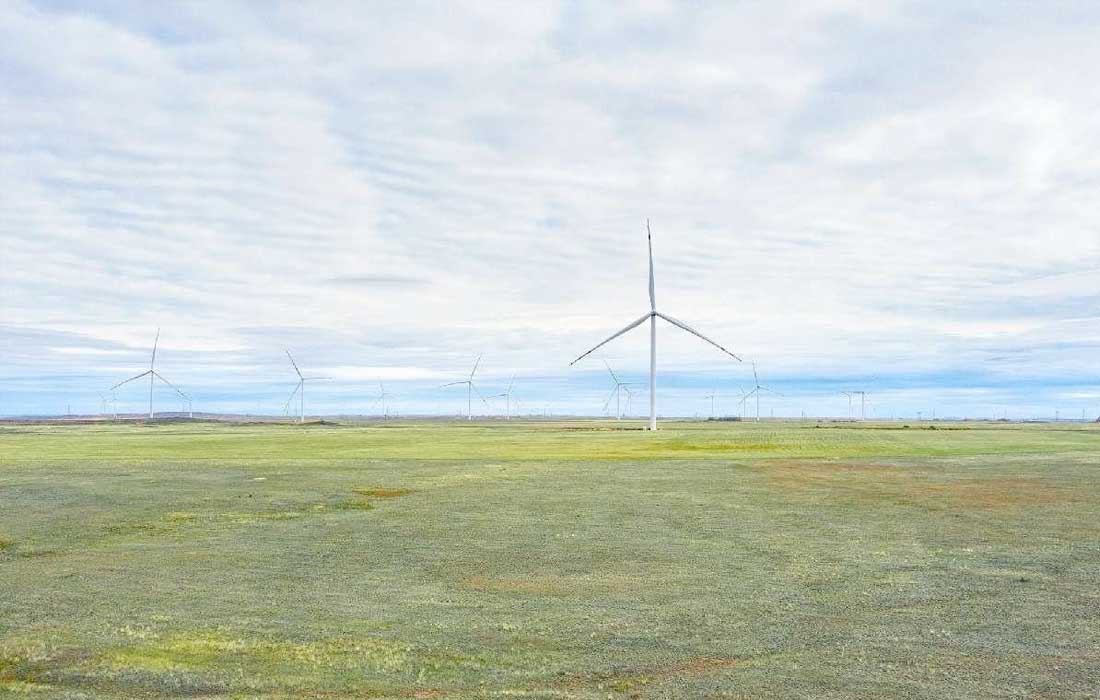
The China green energy transformation has been especially focused on its central and western regions, where the grid-connected capacity of wind and solar energy has tripled. This investment has powered a 70% increase in the volume of clean energy transferred to the more populated eastern provinces. Today, 20% of electricity consumed in eastern and central China is supplied by green energy from the western region.
To support this shift, China has constructed 19 ultra-high-voltage (UHV) transmission lines during the 14th Plan period. This super-grid spans over 50,000 kilometres — a length that exceeds the Earth’s equator — and has been instrumental in transferring clean power across vast distances.
For the first time, new energy storage infrastructure was formally integrated into China’s national plan. The result has been a staggering 30-fold growth in new energy storage capacity, which now totals 95 million kilowatts. This marks a key milestone in managing intermittent renewable energy supply.
China has also built the world’s most comprehensive new energy industrial chain, from raw materials to production, export and deployment. With these initiatives, the country has successfully met its 14th Plan target of increasing non-fossil fuel consumption to 20%, reinforcing its leadership in global energy transition efforts.