
MADRID: Power has been restored to most of Spain and Portugal after the devastating Iberia power outage plunged millions into darkness, halted transport, and forced hospitals to suspend services. Though lights are back on, disruptions continue, and officials say it may take days to fully stabilise systems.
The Iberia power outage began around 10:33 GMT on Monday, causing a sudden drop of 15 gigawatts — equivalent to 60% of Spain’s national demand. According to Spanish Prime Minister Pedro Sanchez, technicians are still investigating what triggered such a massive failure.
By late Monday night, electricity had returned to most of the peninsula. Social media lit up with videos of people cheering as lights came back on, particularly in Portuguese cities. Spain’s grid operator confirmed that 99% of power was restored by Tuesday morning.
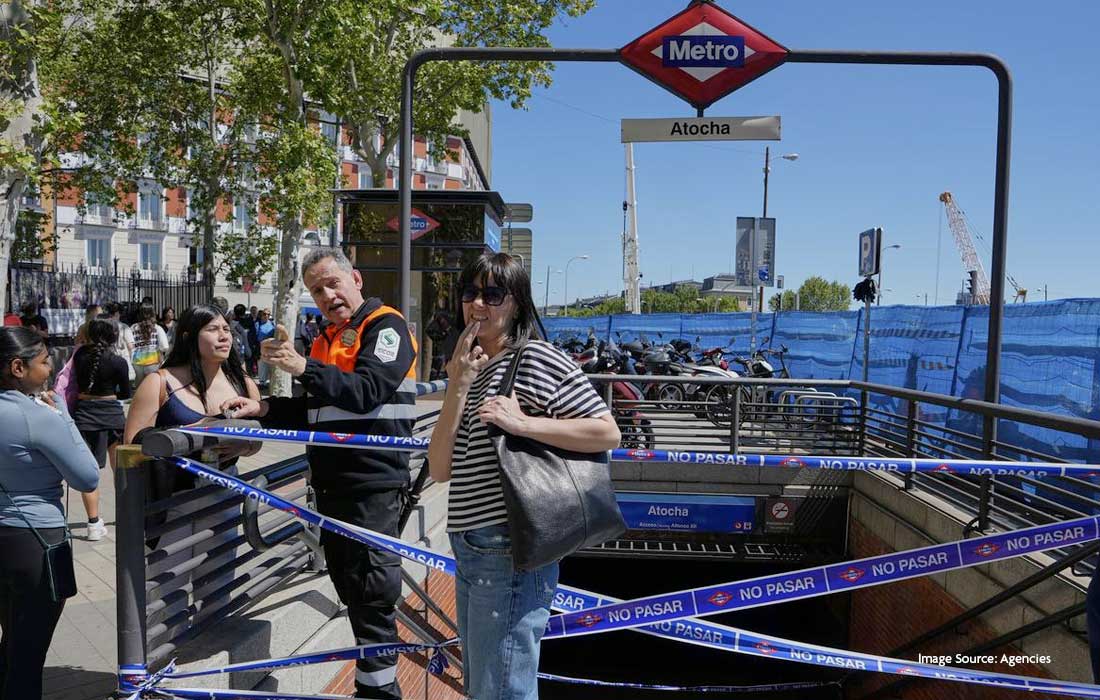
Despite restoration, the fallout continues. Trains remain limited, and airport operations are still recovering. Hospitals are slowly resuming non-critical procedures, but backup systems remain on alert.
Authorities in both countries are still debating the origin of the blackout. Portugal blamed a failure in Spain, while Spanish officials pointed to a disruption in their connection with France. Portuguese Prime Minister Luis Montenegro ruled out a cyberattack but acknowledged the possibility of sabotage. Sanchez has since spoken with NATO Secretary General Mark Rutte for support.
The Iberia power outage prompted Spain to declare a national emergency, deploying 30,000 police for public safety. Portugal declared an energy crisis and warned that full grid stability could still take time.
The event has raised major concerns over Europe’s power infrastructure as leaders push for better safeguards to avoid future collapses.