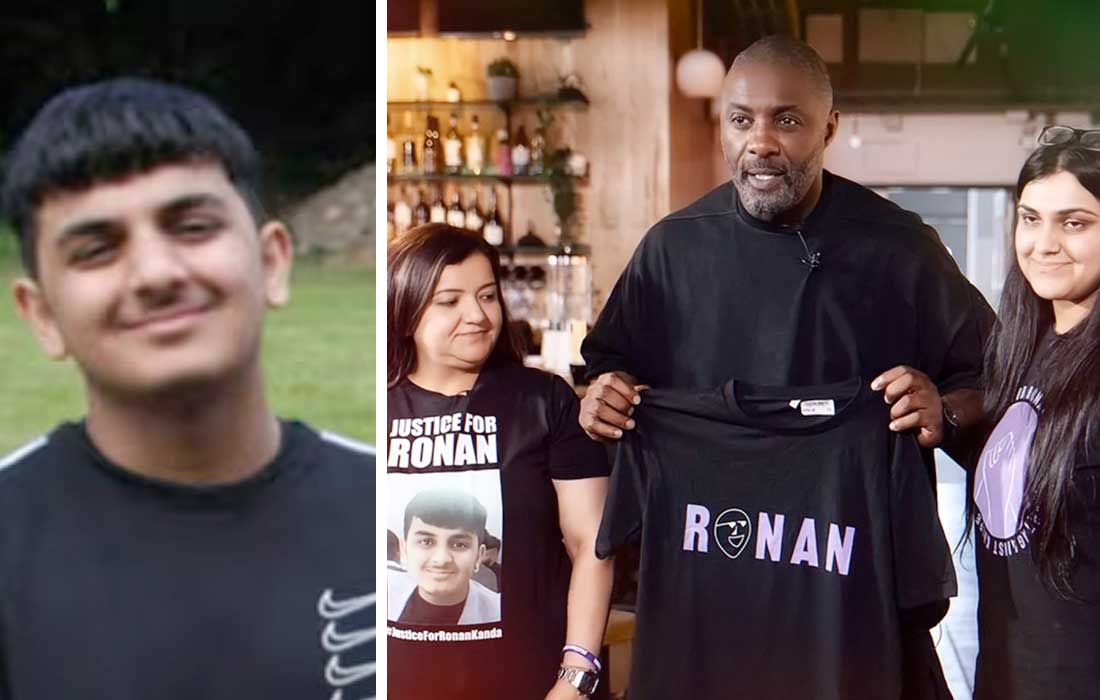

LONDON: The tragic killing of 16-year-old Ronan Kanda in a case of mistaken identity has now helped trigger a major change in UK knife laws. The British government has announced new legislation to curb online knife sales and impose tougher punishments on retailers who sell knives to under-18s — a move driven by the tireless campaign of Ronan’s grieving mother, Pooja Kanda.
The UK government is now set to enforce Ronan’s Law, a new regulation banning the sale and possession of dangerous swords — especially samurai swords — after the tragic incident that took the life of 16-year-old Ronan Kanda in 2022.
Ronan, a promising student from West London, was attacked on his way home from school by a teenager wielding a samurai sword. The attacker had bought the weapon online with no checks or restrictions. Ronan died on the spot. The brutality of the murder sent shockwaves across the country and sparked public outrage over how easily such weapons were available.
Since then, Ronan’s mother has devoted herself to preventing knife crime, bravely speaking to young people about the irreversible damage it causes. She also started online social pages to push her case. Ronan’s devastated family began a campaign demanding stricter laws on the sale and possession of swords. Backed by community leaders, MPs, and child safety groups, the campaign gained momentum. Celebrities such as Idris Alba and Keir Starmer lend support to the cause. It forced the government to act. In February 2025, the Home Office confirmed the introduction of Ronan’s Law — a legal ban on samurai swords and similar bladed weapons.
The new law mark a significant step forward. They strengthen age-verification checks for online knife purchases and crack down on shops that sell blades to minors. But campaigners and experts agree — while this is long overdue, it’s just the beginning.
Knife crime among teenagers has become disturbingly common. What was once unthinkable — schoolchildren carrying deadly weapons — is now alarmingly normalised. Mrs Kanda has repeatedly said that she relives the pain of her son’s death every time she hears of another stabbing.
Yet her strength has turned personal tragedy into national reform. Her words, her resilience, and her commitment to stopping more needless deaths are shaping a new conversation around youth violence in the UK.
The new law may not bring Ronan back, but it might just save someone else. And for that, the country owes thanks to a heartbroken mother who refused to stay silent.