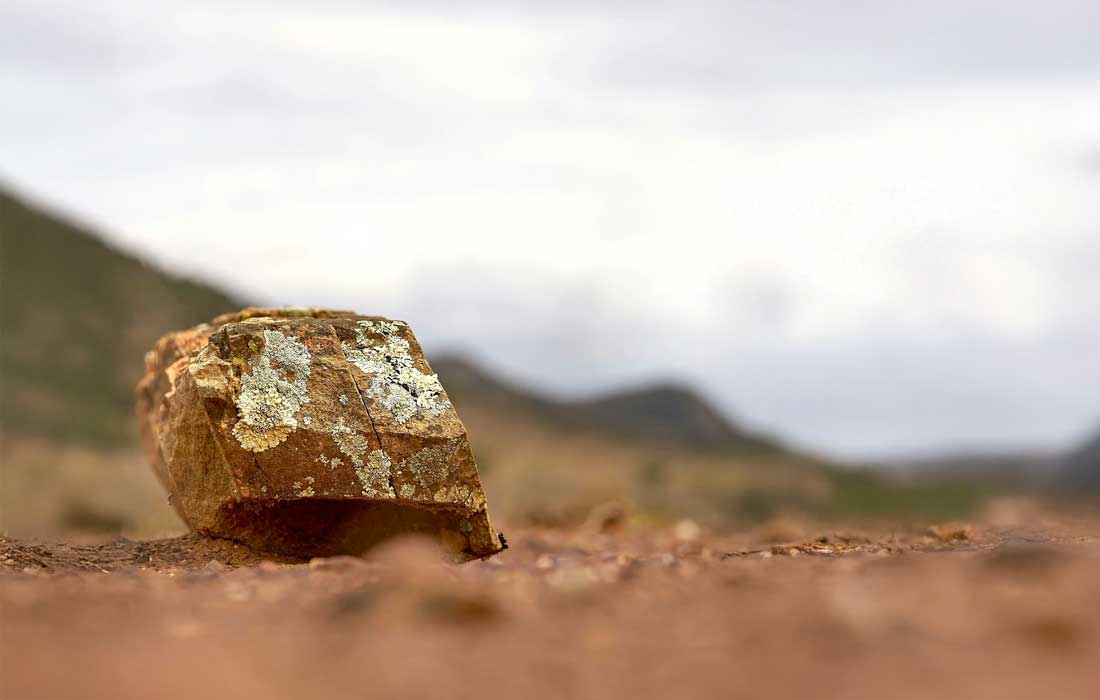

HOHHOT: Chinese geologists have announced the discovery of a newly identified rare-earth mineral in the Inner Mongolia Autonomous Region, offering fresh insights into the region’s rich mineral landscape. The find, named Huanghoite-(Nd), is officially recognised by the International Mineralogical Association and features a high concentration of neodymium—a key component in electric vehicle motors and wind turbines.
This new carbonate mineral was discovered by researchers from the China University of Geosciences (Wuhan) in collaboration with the Inner Mongolia Geological Survey Institute. The mineral was found in the mid-section of the primary orebody within the Bayan Obo deposit, which is recognised as the world’s largest source of rare-earth elements.
Neodymium, often referred to as the “magnet metal”, is crucial for the clean energy transition. Its magnetic properties are essential for high-efficiency electric motors and renewable energy infrastructure. The discovery of a new neodymium-dominant mineral highlights China’s continued role as a global leader in rare-earth resource development.
The identification of Huanghoite-(Nd) not only adds to the scientific understanding of rare-earth mineralogy but also has potential implications for industrial applications. Experts believe that more such discoveries could optimise extraction techniques and boost supplies of critical materials needed for the green technology sector.
China remains the top producer of rare earths globally, and the Bayan Obo deposit alone accounts for a significant portion of the world’s total supply. This latest discovery reinforces the region’s strategic importance and underscores ongoing research efforts aimed at maintaining resource security in high-tech industries.