
His Highness Sheikh Dr. Sultan bin Muhammad Al Qasimi has extended financial support to restore Beirut Grand Theatre through UNESCO’s cultural heritage initiative. The Beirut Grand Theatre restoration effort highlights Sharjah’s global cultural commitment.
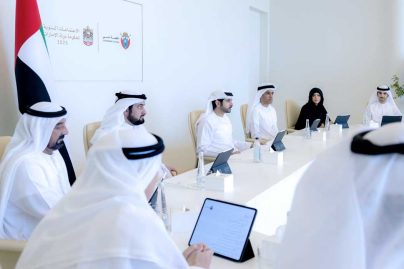
SHARJAH/BEIRUT: In a profound gesture of cultural solidarity, His Highness Sheikh Dr. Sultan bin Muhammad Al Qasimi, Supreme Council Member and Ruler of Sharjah, has pledged generous financial backing to restore the historic Beirut Grand Theatre. This contribution, made under the auspices of UNESCO’s global restoration campaign, reinforces Sharjah’s leading role in preserving cultural landmarks and supporting cross-border heritage efforts.
The Beirut Grand Theatre, built in the 1920s and opened in 1929, stands as one of Lebanon’s most treasured architectural icons. Designed by renowned Lebanese architect Youssef Aftimos and constructed by Jacques Tabet, the theatre once served as a beacon for international stage performances, operas, and cinematic showcases. Its golden era lasted until the mid-1970s, when it was forced to close due to Lebanon’s civil war and decades of unrest.
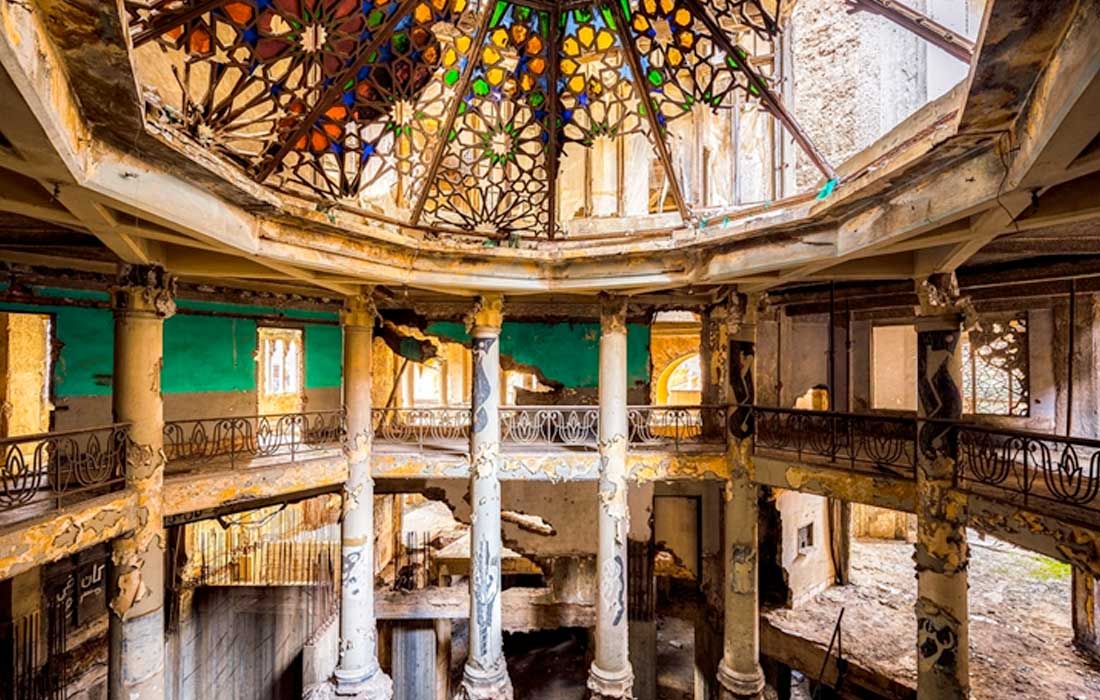
Now in a state of ruin yet rich with memory, the theatre remains a powerful emblem of Beirut’s artistic identity and resilience. His Highness’s timely intervention ensures that the Beirut Grand Theatre restoration will bring back not only the building’s historic splendour but also revive the spirit of art and dialogue it once championed.
UNESCO has welcomed the donation as a pivotal moment in its campaign to safeguard cultural sites threatened by conflict and time. The support from the Sharjah Ruler comes amid wider efforts by the UAE to promote intercultural harmony and preserve endangered global heritage.
This act of cultural philanthropy is also in keeping with His Highness’s long-standing dedication to arts, literature, and education — with Sharjah often lauded as a leading cultural capital in the Arab world. The Beirut Grand Theatre restoration is now poised to become a symbol of hope, resilience, and regional unity through the power of the arts.
About Beirut Grand Theatre
The Grand Théâtre de Beyrouth, a cultural jewel of Lebanon, was built in the 1920s and officially opened its doors in 1929. Designed by famed architect Youssef Aftimos, the theatre showcased a stunning horseshoe-shaped auditorium that seated 630 guests, complete with two elegant balconies and a unique retractable steel dome to allow natural ventilation — a rare architectural feature at the time.
For decades, the theatre was a vibrant stage for international productions, operas, and concerts by world-renowned artists. However, the onset of the Lebanese Civil War left the building heavily damaged. While its exterior has seen some restoration in recent years, the interior remains largely neglected, standing as a silent witness to both Beirut’s artistic heyday and the scars of conflict.