
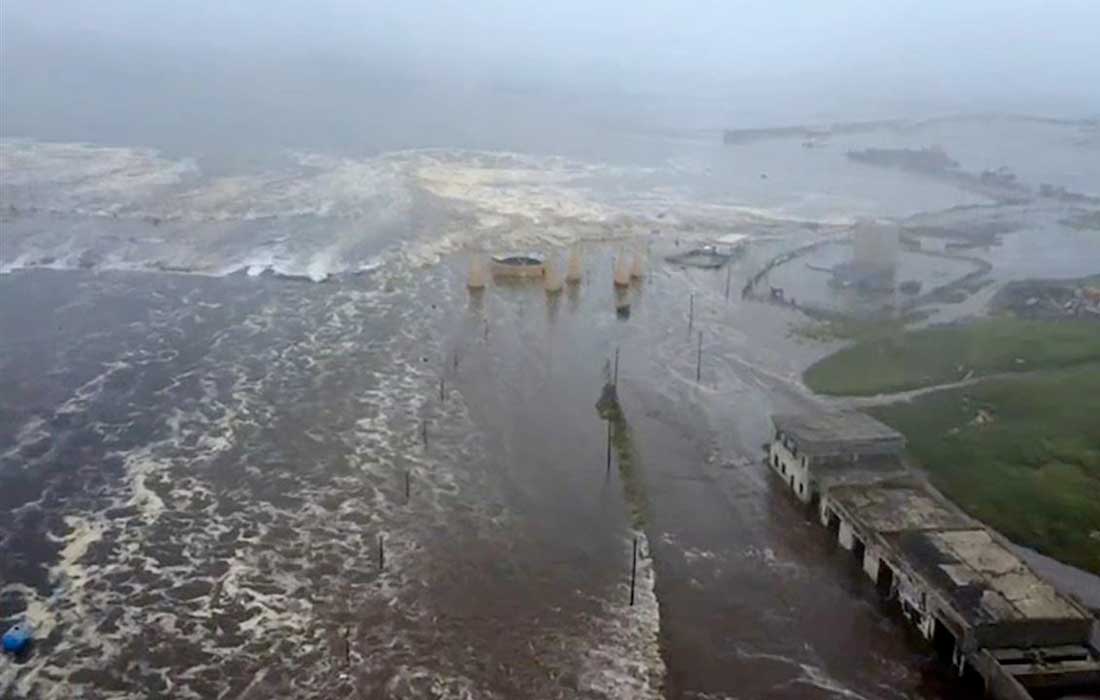

LOS ANGELES: Powerful tsunami waves have reached the United States’ west coast following a devastating 8.8-magnitude earthquake that struck off Russia’s eastern Kamchatka Peninsula on Wednesday. The tremor, recorded at 11:25 am local time, is among the most powerful ever measured and caused widespread alarm across the Pacific.
The Pacific Tsunami Warning Centre issued alerts to multiple regions, including the US, Japan, China, and as far afield as New Zealand, Peru and Mexico. Evacuation orders remain in place in several countries, including Colombia and Indonesia, though many warnings have since been downgraded. Along the US west coast, authorities urged residents to remain away from beaches as waves and surges affected coastal infrastructure.
In Japan, nearly two million people were instructed to evacuate, especially in northern prefectures where tsunami advisories remain active. Russian officials also ordered evacuations in Severo-Kurilsk, a port town where waves up to four metres high flooded a fish processing facility and surrounding port areas. No casualties have been reported yet, but assessments continue.
Emergency services in affected areas continue to monitor for aftershocks and additional wave activity. Countries across the Pacific Ring of Fire remain on heightened alert, particularly low-lying coastal zones that may still face risk from residual surges. Scientists have confirmed this earthquake as one of the most significant seismic events globally in recent years.
Tsunami warnings have been cancelled or downgraded in several Pacific nations. Tonga declared the threat had passed and advised all island groups were safe. Fiji issued an “all clear”, encouraging residents to resume normal life but remain alert. The Cook Islands also cancelled its advisory, reporting no significant impact.
However, Samoa’s Disaster Management Office reported ongoing wave activity and coastal currents, maintaining a watch and urging locals to stay away from the sea.
Evacuation orders continue in select regions, including parts of Colombia and Indonesia, as scientists monitor aftershocks and tidal movements. Authorities worldwide remain vigilant, particularly in vulnerable coastal zones, and stress the importance of adhering to official guidance.