
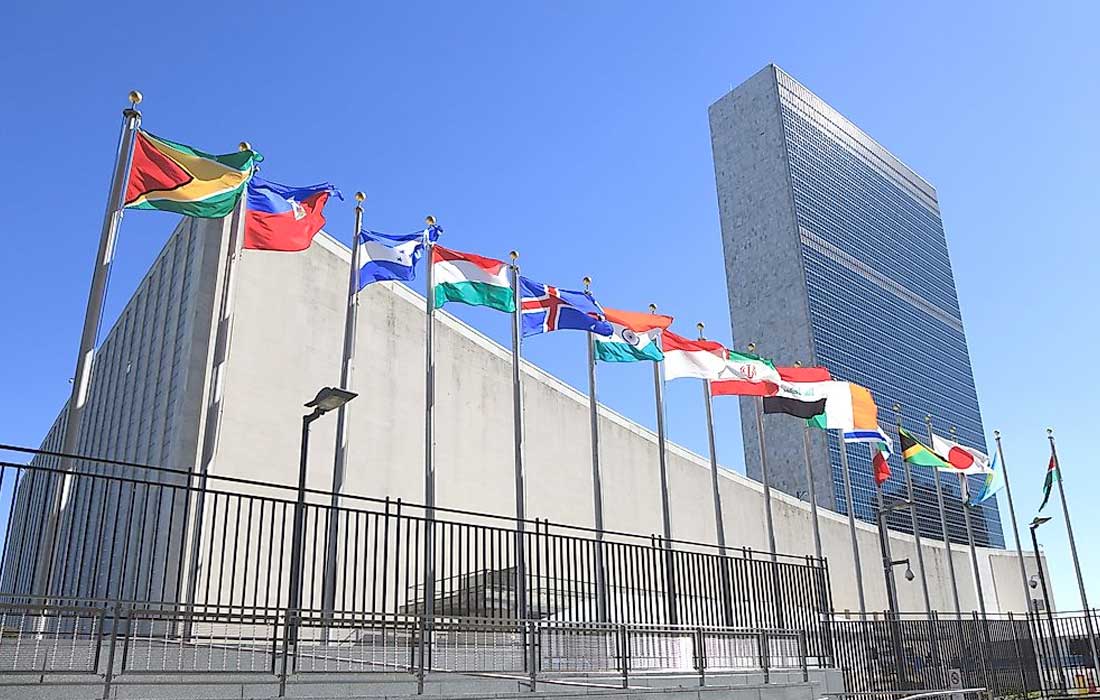

NAIROBI: The United Nations is set to elevate Nairobi to one of the world’s major diplomatic hubs by relocating three key agency headquarters to the Kenyan capital by the end of 2026. The move, announced by UN Secretary-General António Guterres, will see the United Nations Children’s Fund (UNICEF), United Nations Population Fund (UNFPA), and UN Women join UNEP and UN-Habitat already based in the city.
This decision will make Nairobi only the fourth city globally to host multiple UN headquarters, alongside New York, Geneva, and Vienna. The move aligns with the UN@80 reform strategy, which aims for financial efficiency and greater localisation of operations.
Nairobi was selected due to several advantages, including significantly lower operational costs. According to reports, relocating agencies to Nairobi could reduce costs by 25% for local staff and 13% for international personnel. Additionally, being closer to Africa—where a large portion of the UN’s humanitarian activities are focused—will enable faster regional response and deeper community engagement.
The relocation is viewed by some as a move toward decolonising global governance by shifting institutional power closer to the communities being served. Nairobi’s modern infrastructure, regional accessibility, and political stability further strengthened its bid. The UN complex in Gigiri is currently undergoing upgrades, including a new 9,000-seat assembly hall and 30 new conference rooms, to accommodate the expected influx.
An estimated 800 new UN personnel are expected, potentially bringing as many as 20,000 additional residents when including families and support staff. This is expected to positively impact Nairobi’s economy, especially sectors like housing, hospitality, healthcare, and education. However, it may also strain the city’s already pressured rental market. Concerns are rising that high salaries for foreign staff could drive up local housing costs in popular areas such as Gigiri and Muthaiga, pushing locals out.
Internally, some UN employees based in New York have expressed resistance to the relocation due to personal and professional concerns. Issues such as work-life balance, specialised service access, and socio-political adjustments are being cited. Ensuring the welfare of relocating staff will be critical for a smooth transition.
Despite the challenges, Kenya stands to gain significantly in terms of diplomatic prestige, regional influence, and job creation across several professional sectors, from policy to ICT.