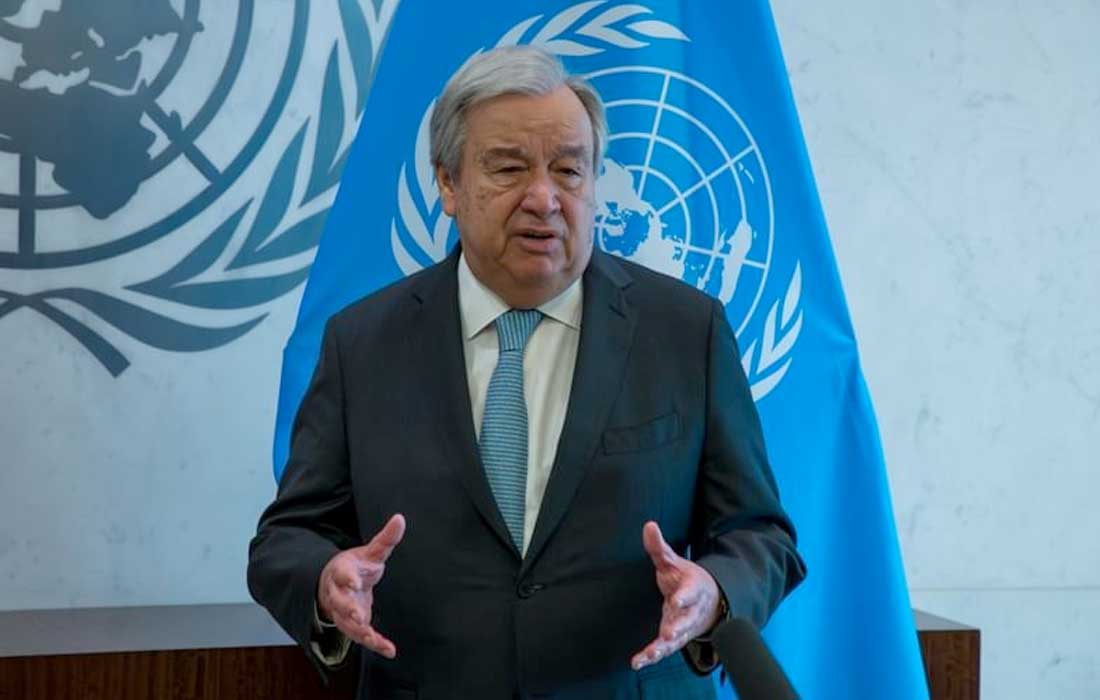

RIO DE JANEIRO: United Nations Secretary-General António Guterres has issued a strong warning against the militarisation of artificial intelligence, urging nations to prioritise collaboration and equity in shaping the future of AI. Speaking at the 17th BRICS Summit in Brazil, Guterres highlighted the transformative power of AI across economies and societies, stressing that its benefits must be shared fairly—especially with developing countries.
He emphasised that AI governance must be rooted in human rights and supported by an inclusive, multilateral response. To this end, he cited the Pact for the Future, which advocates for the creation of a UN-led independent scientific advisory body. This panel will offer neutral, evidence-based insights on AI, accessible to all UN member states.
Guterres also called for a regular global dialogue on AI under UN leadership, involving governments, experts, and civil society. “AI must not become a tool for the few,” he warned, underlining that developing nations deserve a decisive role in global AI decision-making.
To support this vision, the Secretary-General announced plans to release a report detailing voluntary financing mechanisms aimed at boosting AI capacities in the Global South. He encouraged BRICS members to endorse and assist these efforts.
Further, Guterres linked AI governance with broader structural reforms. He pointed out that existing global institutions are outdated and no longer reflect today’s geopolitical realities. Reforming the Security Council and international financial systems is essential, he said, to ensure developing countries have a voice in shaping the digital age.
Citing the outcomes of the recent Financing for Development conference in Seville, Guterres supported enhanced lending by multilateral banks and effective debt relief strategies as key steps toward digital inclusion and sustainable development.
He concluded his speech by reminding leaders that the most powerful innovation remains global cooperation grounded in mutual respect for international law.