
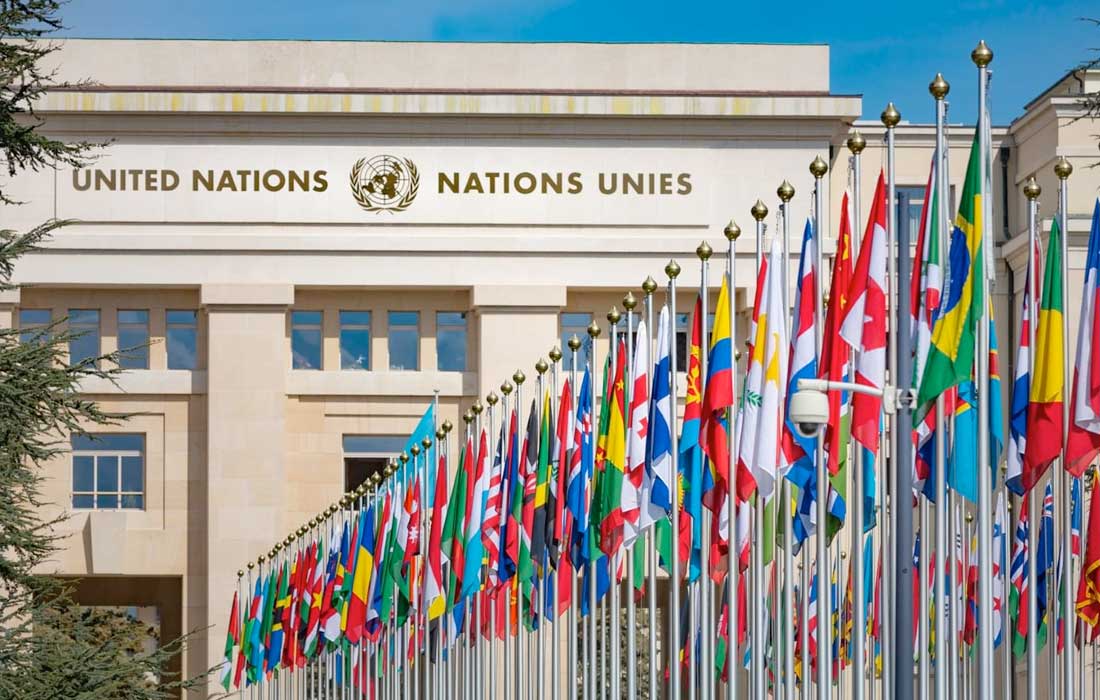

Sixty-five countries signed the first UN cybercrime treaty in Hanoi, aiming to strengthen global cooperation against rising digital threats.
HANOI: In a landmark move for global digital security, 65 countries have signed the first-ever United Nations Convention against Cybercrime. The treaty, adopted by the UN General Assembly in December 2024 after five years of intense negotiations, was officially signed in Hanoi during a high-level ceremony co-hosted by the UN Office on Drugs and Crime (UNODC) and the Government of Viet Nam.
Hailed as a historic moment for multilateral cooperation, the convention provides the world’s first legally binding framework for addressing cybercrime on a global scale. UN Secretary-General António Guterres described it as “a powerful instrument to strengthen our collective defences” and “a vow that no country will be left defenceless against cybercrime.”
The treaty criminalises a broad range of cyber-dependent and cyber-enabled crimes such as ransomware, online financial fraud, and identity theft. Notably, it is the first international agreement to recognise the non-consensual sharing of intimate images as a criminal offence — marking a major advancement for victims of online harassment and digital abuse.
A central feature of the convention is the creation of a 24/7 cooperation network to support cross-border investigations and facilitate the rapid sharing of electronic evidence. This addresses one of the biggest challenges in cybercrime cases — navigating jurisdictions and accessing timely information.
Guterres warned that while digital technologies offer immense benefits, they also expose people and systems to increasing cyber threats. “Every day, sophisticated scams defraud families and drain billions of dollars. In cyberspace, nobody is safe until everybody is safe,” he said.
The Convention will officially enter into force 90 days after the 40th country ratifies the treaty. It also outlines mechanisms for providing technical assistance and training, especially to countries in the Global South, aiming to ensure inclusive participation in global cybersecurity.
This groundbreaking treaty offers hope for more resilient global defences in a rapidly evolving digital landscape. As cybercrime costs are expected to hit $10.5 trillion annually by 2025, the UN’s unified approach could reshape how governments, prosecutors, and law enforcement agencies fight digital crime while upholding privacy and human rights.