
Burjeel Cancer Institute has launched a mobile mammogram unit to provide free screenings across Abu Dhabi, Al Ain, and Al Dhafra during October and November.
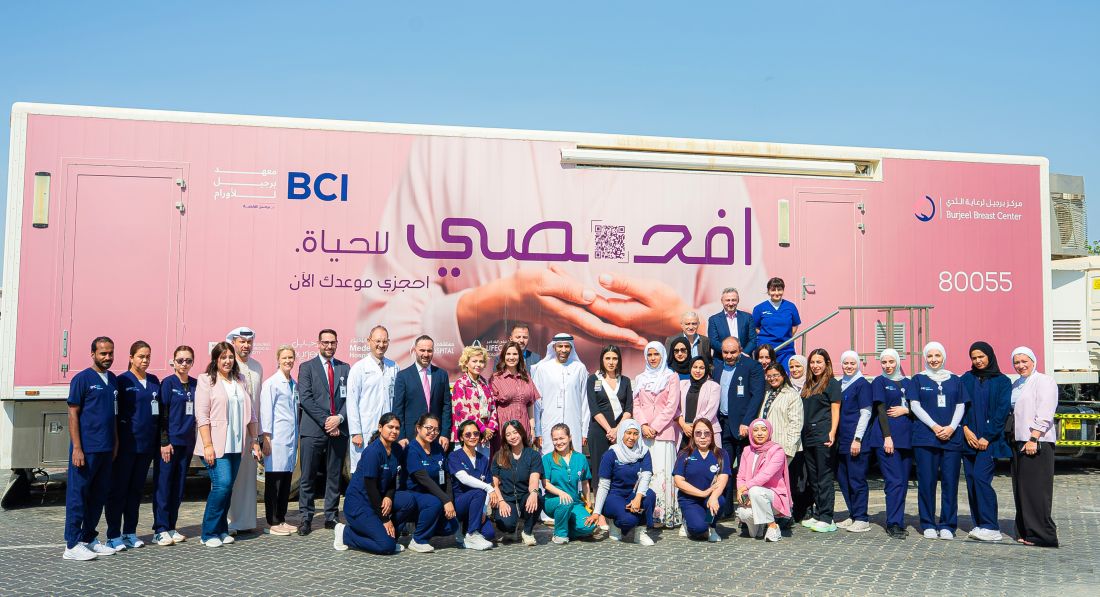
ABU DHABI: In a powerful initiative marking Breast Cancer Awareness Month, the Burjeel Cancer Institute (BCI) has unveiled its Pink Truck—a mobile mammogram unit dedicated to promoting early detection of breast cancer. The project, launched under the theme “Scan for Life”, aims to bring life-saving screenings directly to communities across Abu Dhabi, Al Ain, and Al Dhafra throughout October and November 2025.
The Pink Truck is equipped with a high-resolution digital mammography system, enabling women to undergo safe and accurate breast cancer screenings without visiting a hospital. A team of female specialists and technicians will carry out the tests, ensuring both comfort and privacy for participants.
“The launch of the mobile mammogram unit demonstrates our commitment to providing preventive healthcare services for all members of the community,” said Professor Humaid Al Shamsi, CEO of BCI. “Breast cancer remains one of the most common cancers worldwide, and early detection is vital for successful treatment. By bringing screening services directly to workplaces, schools, and public venues, we are breaking down barriers and encouraging women to prioritize their health.”
The Pink Truck tour will include visits to Etihad Airways Headquarters, Abu Dhabi Police GHQ, Abu Dhabi Judicial Department, Marina Mall, Deerfields Mall, Emirates National Schools, Yas American Academy, and major banks such as ADIB and FAB, along with stops in Ghayathi and Al Mirfa.
In addition to screenings, BCI’s team will provide educational sessions on symptoms, treatment options, lifestyle changes, and self-examination techniques, making the initiative both preventive and awareness-driven.
This community-first effort is part of BCI’s broader health campaigns designed to improve public understanding of cancer prevention and treatment. By reaching women across different communities—particularly those above the age of 40—the initiative underscores the critical role of early detection in saving lives.