
DAMASCUS: DP World has entered a landmark 30-year concession agreement with Syria’s General Authority for Land and Sea Ports to upgrade and operate the strategic Port of Tartus. The deal, announced in Damascus, marks a significant step in rebuilding Syria’s trade infrastructure and reintegrating its economy into regional commerce.
Under the Build-Operate-Transfer (BOT) model, DP World will invest $800 million over the concession term to transform the port into a modern logistics hub. The development includes advanced cargo-handling systems, digital operations, and new infrastructure to support containers, general cargo, and roll-on/roll-off services.
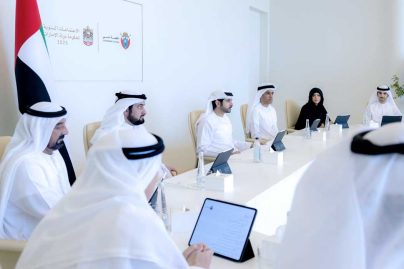
The agreement was signed by Sultan Ahmed bin Sulayem, Chairman and Group CEO of DP World, and Qutaiba Ahmed Badawi, Chairman of the General Authority for Land and Sea Ports, in the presence of Syrian President Ahmed Al-Sharaa.
Sultan bin Sulayem said the redevelopment will position Tartus as a key gateway linking Southern Europe, the Middle East, and North Africa. “This reflects our long-term commitment to enabling trade and strengthening supply chains. Tartus has strong potential to support regional connectivity and drive economic opportunity,” he stated.
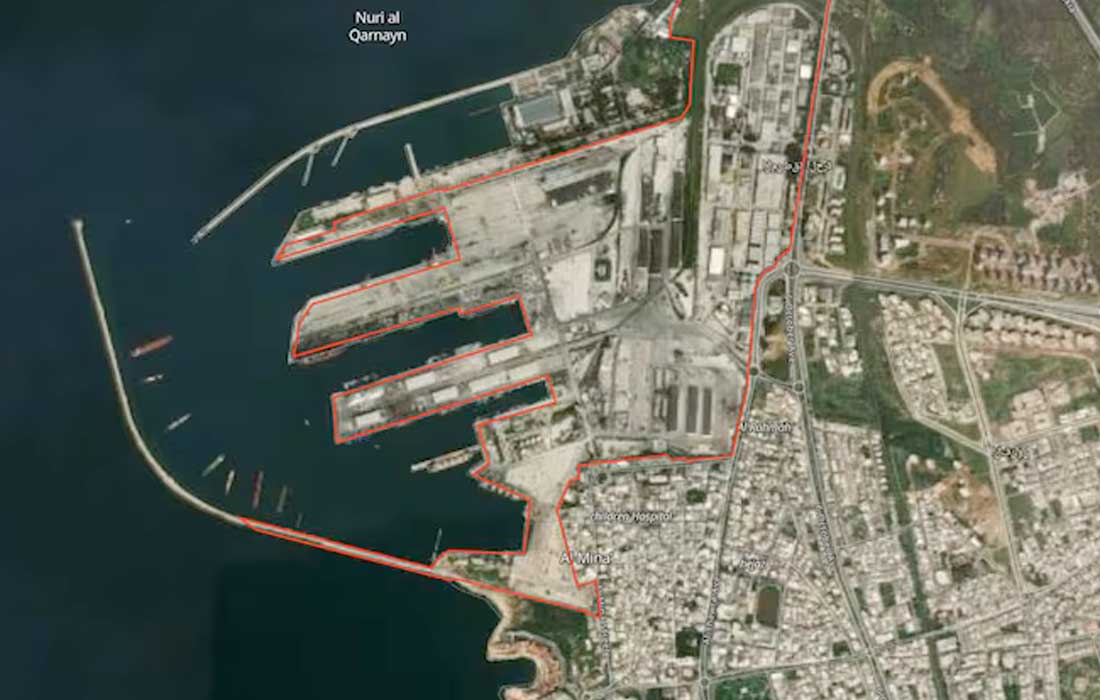
Tartus, situated on Syria’s Mediterranean coast, is the country’s second-largest port. Its location offers direct access to critical shipping lanes, including those through the Bosporus and Suez Canal. DP World’s investment aims to revitalise the port’s capacity and efficiency, improving its role in international trade networks.
Qutaiba Badawi added, “Partnering with DP World will modernise Syria’s maritime sector. This development is essential to rebuilding trade routes and revitalising the national economy.”
In addition to port infrastructure, DP World will explore further opportunities such as inland logistics hubs and free trade zones, supporting Syria’s broader goals of economic diversification and trade facilitation.
DP World currently operates in over 75 countries and handles 9.2% of global container traffic. The Tartus agreement enhances its presence in the region and reinforces its position as a global logistics leader.