
The Royal Society for the Prevention of Accidents (RoSPA), one of the world’s leading safety organisations, has announced its strengthened focus on the UAE and GCC as part of its mission to reduce accidents globally. RoSPA Chief Executive Becky Hickman emphasised the need for a “whole-life” approach to safety that extends beyond workplaces into homes, roads, and communities.
The Brew News: RoSPA has been active globally for over a century. What makes the UAE and GCC a strategic priority for you now?
Becky Hickman: RoSPA supports organisations around the world to help keep workers and their families safe, ensuring compliance with regulatory standards and ultimately helping those organisations to grow and improve. The Middle East region is a rapidly developing industrial and business powerhouse that plays a key role in the global economy, so it is essential that health and safety standards keep pace with this progress.
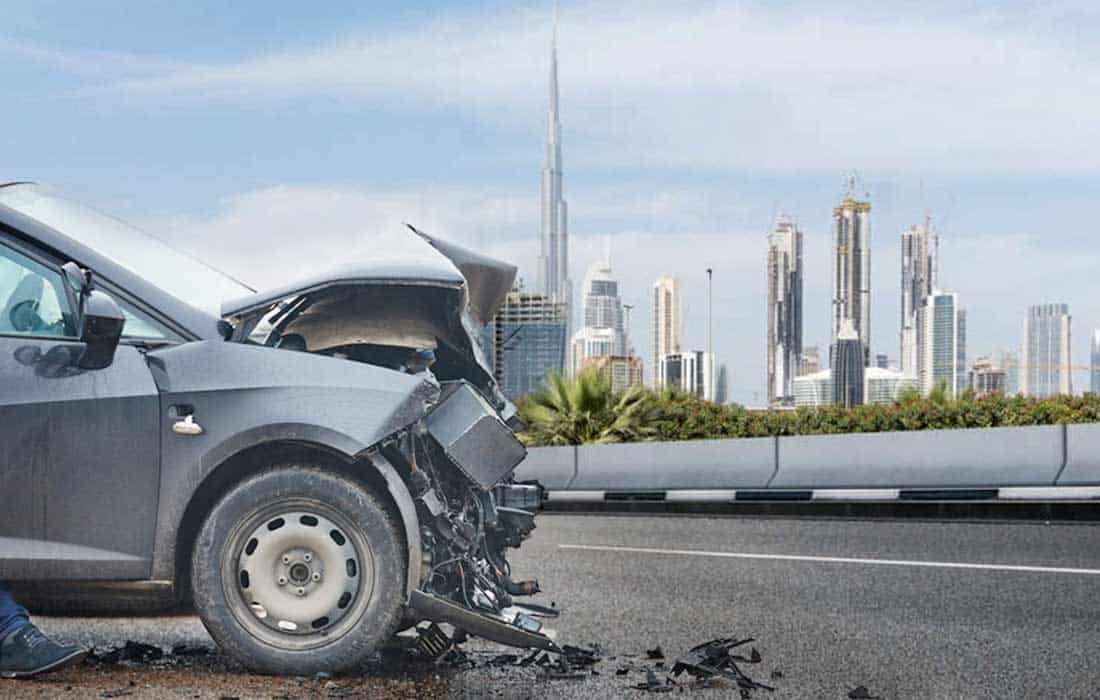
The Brew News: Road safety in the UAE has seen progress, yet fatalities rose again in 2024. How does RoSPA plan to address this challenge?
Becky Hickman: While the UAE’s road fatality rate of 3.6 per 100,000 is among the lowest in the world, the 9% increase in road fatalities between 2023 and 2024 is a reminder that ongoing vigilance is essential. We currently support over 30 RoSPA-approved centres delivering levelled qualifications in defensive driving and trainer assessor courses throughout the GCC, and our immediate initial aim is to expand this network to influence change and reduce accident rates in the region.
The Brew News: Can you tell us more about the role of RoSPA’s Safety Summit 2025 in shaping safety standards in the region?
Becky Hickman: While our roots lie in the UK, RoSPA is now a global organisation with a presence in around 60 countries. This reflects the fact that – in a world connected through international trade and supply chains and with the increasing importance of online technology and AI – the need and responsibility to ensure high health and safety standards no longer ends at a country’s borders. By working in close collaboration with local stakeholders to adapt our knowledge and training to their specific needs and culture, RoSPA creates tailored solutions for organisations’ local and global health and safety challenges, wherever they are in the world.
The Brew News: Distracted driving, speeding, and tailgating remain top causes of accidents, especially among young drivers. How can RoSPA’s training programmes tackle these issues?
Becky Hickman: Younger drivers are more likely to indulge in risky behaviours such as speeding, tailgating and mobile phone use. They are more likely to succumb to peer pressure when carrying passengers and lack the self-regulation and experience to manage those tendencies. They haven’t yet developed the skills and appropriate responses when things go wrong and often underestimate the risks or choose to ignore them.
RoSPA’s experience in the UK and elsewhere demonstrates that robust continuous data collection, policy reform, and public awareness campaigns are crucial to reducing road fatalities. UAE’s transparent data sharing is a model for the region—and a platform for smarter safety interventions. It enables policymakers to identify high-risk behaviours and groups. For example, young drivers, motorcyclists, and e-scooter riders are at heightened risk, and a significant number of collisions are caused by people failing to yield to emergency vehicles. These are all issues where targeted education and enforcement can save lives.
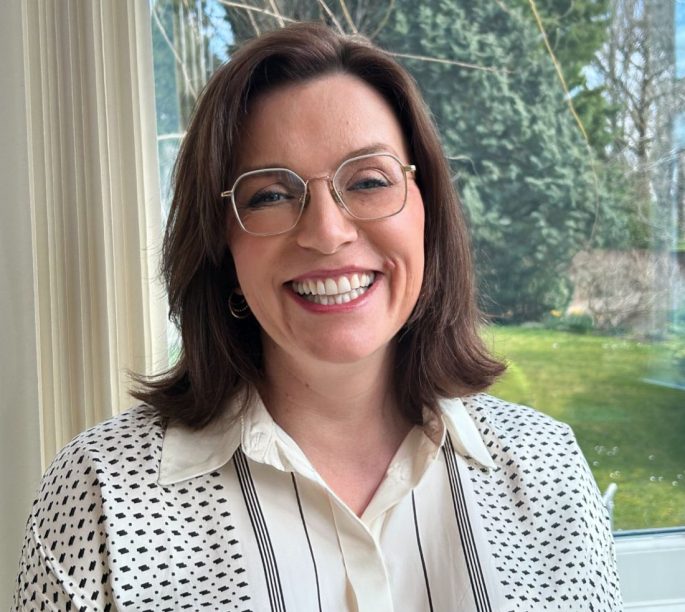
‘The RoSPA Awards shines a light on unsung heroes, whose hard work saves real lives. In a world where more than three million people die every year because of an accident, health and safety professionals like those we honoured are proof that it does not have to be this way. Our Award winners don’t just walk with RoSPA on our mission to ensure a safer society for all, they lead the way, for which we reward them with the respect and recognition they truly deserve.’
–Becky Hickman, CEO, RoSPA
The Brew News: With fleets in oil & gas, logistics, and transport rapidly modernising—hydrogen trials, electric taxis, and delivery fleets—what unique risks and opportunities do you see, and how can RoSPA support?
Becky Hickman: As fleet digitization and electrification expand, there is growing demand for driver behaviour training, safety performance monitoring, and occupational road risk management. However, there are also inconsistent regulations across the region, while a lack of clarity around incorporating safety into Environmental Social & Governance (ESG) frameworks also poses operational challenges.
Amid widespread adoption of IVMS and telematics, many operators still lack an effective means of acting on safety data. Robust data can be the key to changing driver behaviours, but only if monitoring is translated into measurable improvement. As organisations increasingly report safety metrics as part of sustainability goals, defensive driving training, telematics coaching, and incident reduction can all contribute to measurable ESG performance.
RoSPA doesn’t just provide ‘off-the-shelf’ training packages – we focus on finding the most effective solutions for an organisation’s health and safety challenges.
We achieve this by working closely with our partners to understand their needs, locality and industry in close detail and design training which will upskill their workforce, establish high safety standards and ultimately reduce the risk of accidents.
RoSPA strongly believes that safety isn’t just about compliance with existing regulations. It needs to be central to organisational culture and a strategic priority for all organisations seeking to improve risk management, workforce well-being, stakeholder reputation and operational efficiency.
The Brew News: Defensive driver training is central to your offering. How does RoSPA’s approach differ from traditional driving schools?
Becky Hickman: RoSPA’s defensive and fleet driver training focuses not just on technical vehicle control skills or on compliance with traffic laws and regulations .
While those elements are important to safe driving we work with drivers to explore the context of their journeys and the human factors that influence their responses to the driving conditions.
We look at why the journey is taking place – is it for work, leisure or is it an emergency? What are the other contributing factors – stress, deadlines, heavy traffic or bad weather?
Our training and qualifications explore the personal triggers and motivations that influence their driving behaviour – the choices that shape their actions behind the wheel and help them to manage their responses to their driving environment and the actions of other road users.
The Brew News: RoSPA emphasises safety not just at work, but also at home and on the road. Why is this “whole-life” approach so critical today?
Becky Hickman: Across the world, 80% of accidental deaths in working-age people happen outside of work. This means that employees are much more likely to be killed or seriously injured in places like their homes or on the road than at work. It is for this reason that RoSPA advocates for a ‘whole-life’ approach to safety, encouraging health and safety managers to introduce schemes and foster behaviours that keep people safe before and after their working day is done.
This makes good sense for businesses, since accidents at home impact workforce health, productivity, and morale. Employees avoid the financial strain, and long-term health consequences that can result from accidents. And the wider community no longer suffers the pain of people dying before their time or the burden of supporting those whose injuries mean they can no longer work, and can become places where everyone can live their lives free of the risk of accidents.
The Brew News: How can employers in the GCC encourage employees to carry safety culture beyond the workplace into their daily lives?
Becky Hickman: By extending safety beyond the workplace, companies can boost productivity, enhance employee engagement, and improve their CSR reputation. L’Oréal’s ‘Safe@Work-Safe@Home’ programme is a great example of how applying a holistic approach to safety can bring real business benefits. Working with RoSPA, L’Oréal has distributed safety packs in countries like India, South Africa, and Indonesia, focusing on road safety and home safety, especially for children and the elderly. These packs include tools and life-saving information tailored to each country’s specific needs.
L’Oréal employees have actively promoted road safety, home safety, and fall prevention through community initiatives. This approach has resulted in a 70% improvement in safety performance over the past decade, avoiding over 1,365 lost-time accidents. By taking workplace safety principles and applying them to the broader community, L’Oréal has created a culture of care that benefits both employees and the wider community.
The Brew News: What can organisations in the Middle East learn from global RoSPA award winners and how it matters?
Becky Hickman: By celebrating those organisations who have set the highest standards in accident prevention, we highlight the important hard work that saves lives but which often goes unrecognised. Every winner is a world leader in shaping safer, healthier workplaces, setting an example for others to follow.
We regard a RoSPA Award as not the end but rather an important milestone in an organisation’s health and safety journey. Entering the RoSPA Awards requires entrants to assess and reflect upon their current health and safety processes, and in doing so consider how these can be developed in the future. Many organisations enter every year and we are always excited to see the progress they have made. We feel that all our award winners are part of an influential community of health and safety champions, and it is always inspiring to see them sharing their experiences and best practice with others. This is not just about preventing accidents at work, but about fostering a culture of safety that spans every aspect of life, protecting employees and also empowering value chains, families, and societies as a whole.
The Brew News: You bring over 20 years of experience and a communications background into this role. How has that shaped your leadership style at RoSPA?
Becky Hickman: RoSPA exists in a unique space, bringing together all aspects of safety including home safety and leisure safety as well as road and workplace safety. The ability to actively engage with stakeholders from all of these areas, and to listen and learn in order to play a visible and authentic leadership role is therefore key to our charitable mission to create a ‘safer society’ through convening leaders and sharing excellence. Beyond that, RoSPA is in the midst of a vital transformation project that will lay the foundations for a further one hundred years plus of life-saving work, so the ability to drive change is imperative.
The Brew News: What message would you like to leave for policymakers, business leaders, and young people in the UAE when it comes to building a safer future?
Becky Hickman: RoSPA envisions a world where accidents are no longer inevitable, where everyone is empowered to live and work safely. This vision requires a shift in how we think about safety — a commitment to sustainable practices, human capital, and behavioural change. It’s about integrating safety into every part of our culture, not just as a set of regulations, but as a core value that shapes how we live, work, and interact with each other.